Canada U.S. Trade Talks Collapse As Carney Orders Tariffs
Canada suspended trade negotiations with the United States and ordered retaliatory tariffs, raising wider questions about Ottawa’s reliability, Israel policy, and antisemitism at home

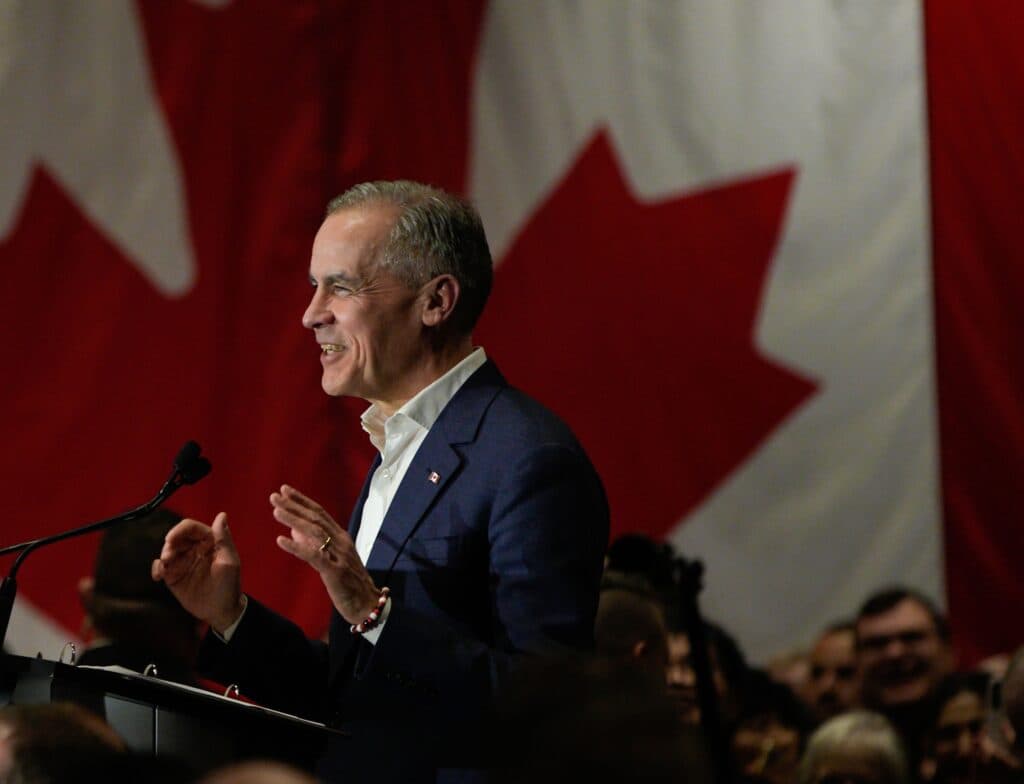
Canada U.S. trade talks collapsed after Prime Minister Mark Carney suspended negotiations with Washington and ordered retaliatory tariffs against the United States.
Carney cited unacceptable “last minute changes” from the American side. He said those changes were unfair and called into question the reliability of the deal.
The breakdown marks a serious rupture between two countries that have long presented themselves as close allies and economic partners. Canada now says it will answer U.S. tariffs with reciprocal measures.
Proverbs warns, “A brother offended is harder to be won than a strong city.” That line fits the danger of an allied dispute becoming a strategic fracture. When trust breaks between neighbors, the damage can reach far beyond trade.
Canada U.S. Trade Talks
Carney’s decision came after intensive negotiations with the Trump administration. Canada had sought a deal to avoid new American tariffs, but the talks failed before the deadline.
The dispute now places the U.S.-Canada relationship under new strain. Canada depends heavily on access to the American market. The United States also relies on Canadian energy, materials, and cross-border supply chains.
However, this is not only an economic story. It also touches a wider question of American leverage. President Trump has used tariffs, sanctions, and economic pressure as core tools of statecraft.
That same strategy appeared in “Trump Iran Sanctions Launch ‘Toughest Economic Operation.’” In that article, Trump announced sweeping sanctions against Iran and warned countries not to help Tehran through trade, finance, oil smuggling, or shell companies.
The difference is obvious. Against Iran, economic pressure targets a hostile regime that funds terror. Against Canada, the tariff fight risks weakening coordination with a neighboring ally at a time when the West already faces pressure from Iran, China, Russia, and Islamist extremism.
Canada’s Israel Problem
That tension matters for Israel because Canada’s foreign policy has already moved in a sharply critical direction toward Jerusalem.
Under Carney, Canada recognized a Palestinian state. Ottawa said the move rested on Palestinian Authority commitments, including reforms, elections in which Hamas would play no part, and demilitarization. Still, many Israelis saw the decision as a reward for Palestinian political pressure during a war launched by Hamas.
Carney has also used unusually harsh language toward Israel, while anti-Israel activism has grown louder in Canadian public life. Toronto, in particular, has become a major flashpoint.

The city raised the Palestinian flag at City Hall after Canada’s recognition of a Palestinian state. Meanwhile, Toronto Police have continued to identify the Jewish community as the most frequently targeted group in hate-motivated crimes.
That contrast is hard to ignore. Canadian leaders speak about combating antisemitism, yet parts of the country’s political culture have normalized intense hostility toward Israel. Public displays of Palestinian nationalism, including at civic spaces, now exist alongside rising fear in Jewish communities.
A serious Canadian policy would distinguish clearly between legitimate concern for Palestinian civilians and blindness toward Palestinian extremism, Hamas propaganda, and antisemitic agitation. Too often, that distinction has blurred.
A Fractured Ally In A Dangerous Moment
The United States and Israel carry separate covenantal missions before God, and both require clear-eyed alliances. America’s calling includes defending ordered liberty, protecting its people, and using strength against regimes that threaten free nations. Israel’s calling is to preserve Jewish life, sovereignty, and security in the land of its fathers.
Canada’s current trajectory complicates both missions. A trade rupture with Washington weakens Western unity. A hostile posture toward Israel encourages the idea that the Jewish state can be pressured politically while its enemies keep their weapons, slogans, and rejectionism.
That does not mean Canada is an enemy. It means Canada is becoming a more difficult partner.
Carney’s tariff move may be aimed at protecting Canadian interests. But the wider pattern matters: friction with Washington, distance from Jerusalem, recognition of Palestinian statehood, and a domestic climate where Jewish communities remain under pressure.
Israel and the United States need allies that understand the difference between peace and appeasement. They also need partners who can confront economic disputes without losing sight of the larger strategic field.
Canada’s choices now carry consequences beyond Ottawa and Washington. They will also shape how Jerusalem views a government that claims balance while often applying its sharpest pressure to Israel.
For more stories on Israel, faith, and the values behind the headlines, follow Sinai on Facebook and Instagram.
Discussion0
No comments yet — be the first to share your thoughts.