As Iran Slaughters Protesters, the U.S. and Israel Prepare for What Comes Next
As Iran’s ruling regime unleashes unprecedented violence against its own people, the United States and Israel are quietly deepening military and strategic coordination amid growing concerns over Tehran’s next moves. According to updated figures released by the Iran Human Rights Activists News Agency (HRANA), at least 5,459 deaths have been fully verified since the latest

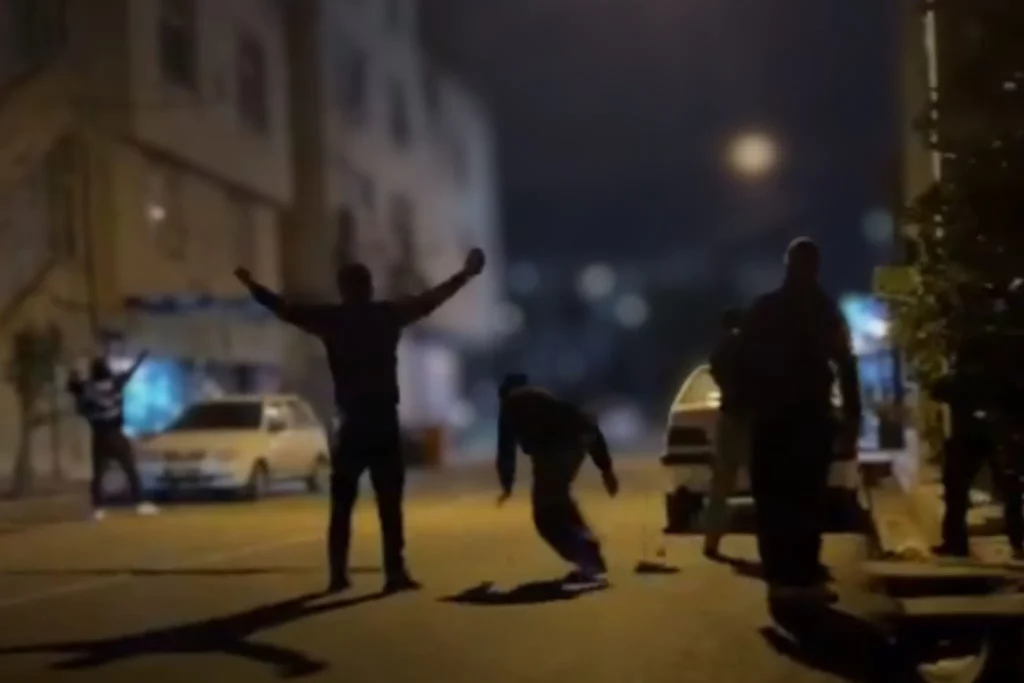
As Iran’s ruling regime unleashes unprecedented violence against its own people, the United States and Israel are quietly deepening military and strategic coordination amid growing concerns over Tehran’s next moves.
According to updated figures released by the Iran Human Rights Activists News Agency (HRANA), at least 5,459 deaths have been fully verified since the latest wave of nationwide protests erupted, the vast majority of them demonstrators. An additional 17,031 suspected deaths are still under investigation, potentially bringing the total number of fatalities to more than 22,000. HRANA also reports over 7,400 seriously wounded and nearly 41,000 arrests, including minors, students, and medical personnel, many of whom were detained without due process.
Grim Testimonies from Inside Iran
The scope of the bloodshed aligns with a directive reportedly issued by Supreme Leader Ali Khamenei on January 9, according to senior Iranian officials quoted by The New York Times. Khamenei instructed Iran’s Supreme National Security Council to suppress the protests “by any means necessary.” Security forces, the officials said, were explicitly ordered to “shoot to kill” and show no mercy.
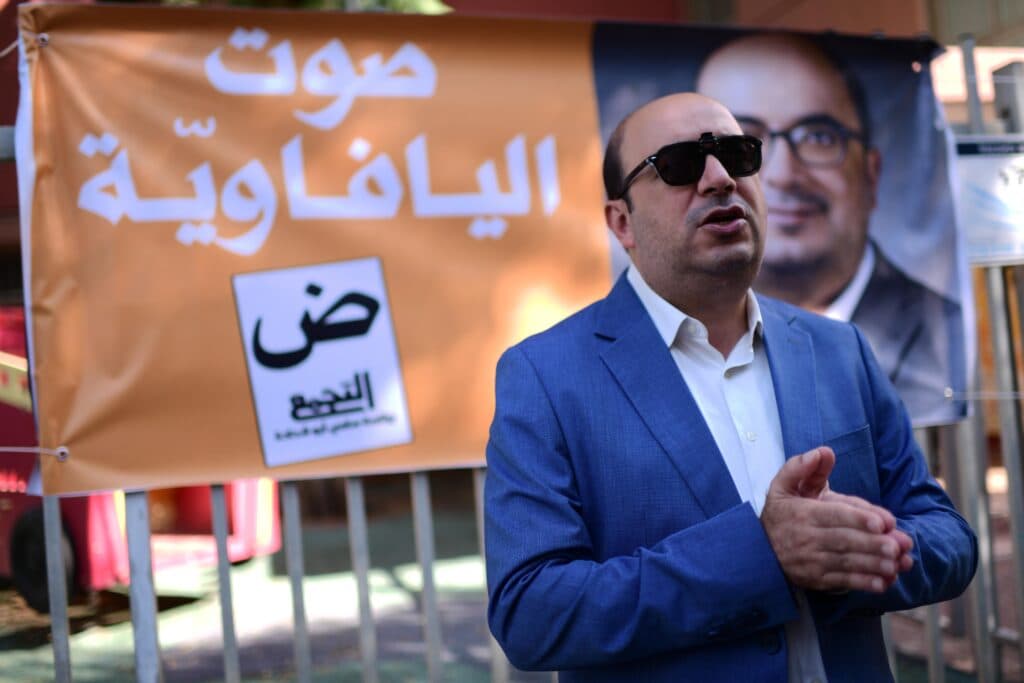
Despite the brutality – and widespread disappointment among Iranians with the West, the Trump administration, and Israel – some analysts see early signs of renewed hope. Sagiv Assoulin, a former senior Mossad official and current researcher at the Jerusalem Center for Security and Foreign Affairs (JCFA), says online discourse and internal conversations inside Iran suggest a growing expectation of change, paradoxically fueled by the regime’s extreme repression.
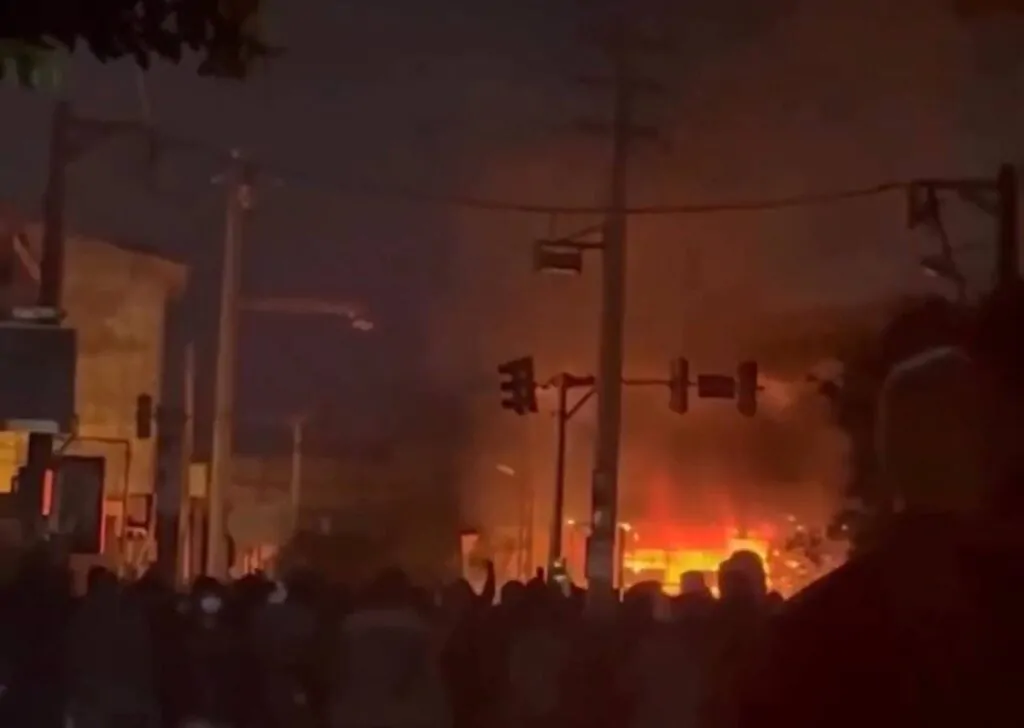
Independent reporting underscores how little is known about the true scale of the killing. Time magazine published rare testimonies from two senior Iranian healthcare officials who spoke anonymously out of fear for their lives. They claimed that on the nights of January 8–9 alone, the number of people killed in clashes may have exceeded 30,000. Hospitals, they said, were overwhelmed; some bodies were removed directly by security forces without any official registration.
The gap between Tehran’s claims of restored “stability” and the information emerging from human rights groups and internal sources continues to widen, with access restrictions, information blackouts, and fear among families likely masking even higher numbers.
U.S.–Israel Coordination in the Spotlight
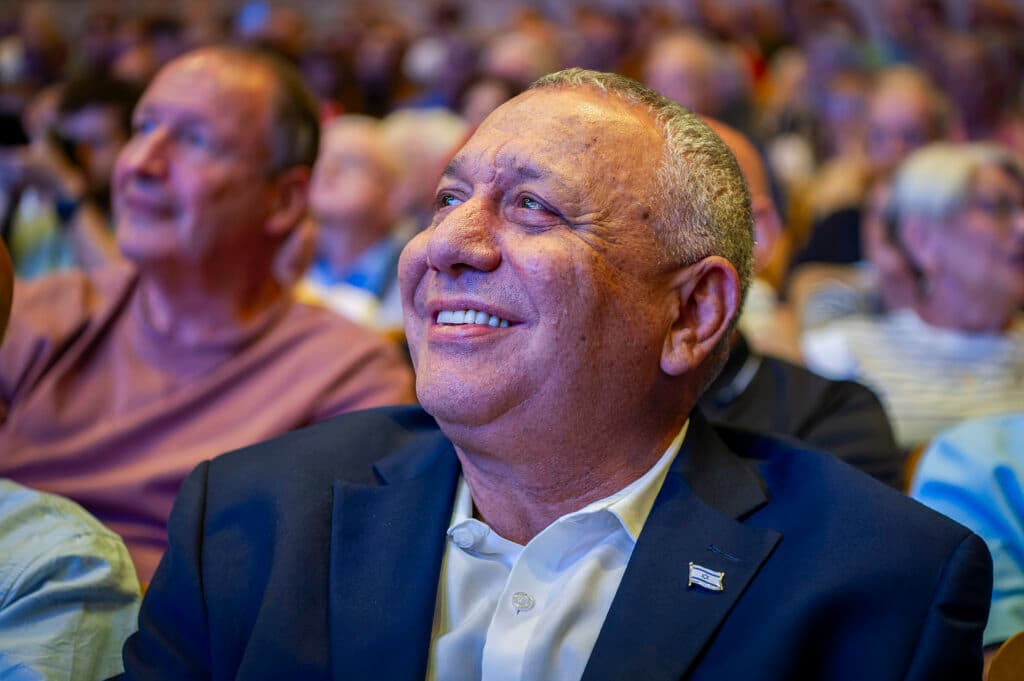
Against this backdrop, U.S.–Israeli military coordination is accelerating. Over the weekend, Admiral Brad Cooper, Commander of U.S. Central Command (CENTCOM), arrived in Israel for high-level meetings at the IDF headquarters in Tel Aviv with Chief of Staff Lt. Gen. Eyal Zamir and senior General Staff officials.
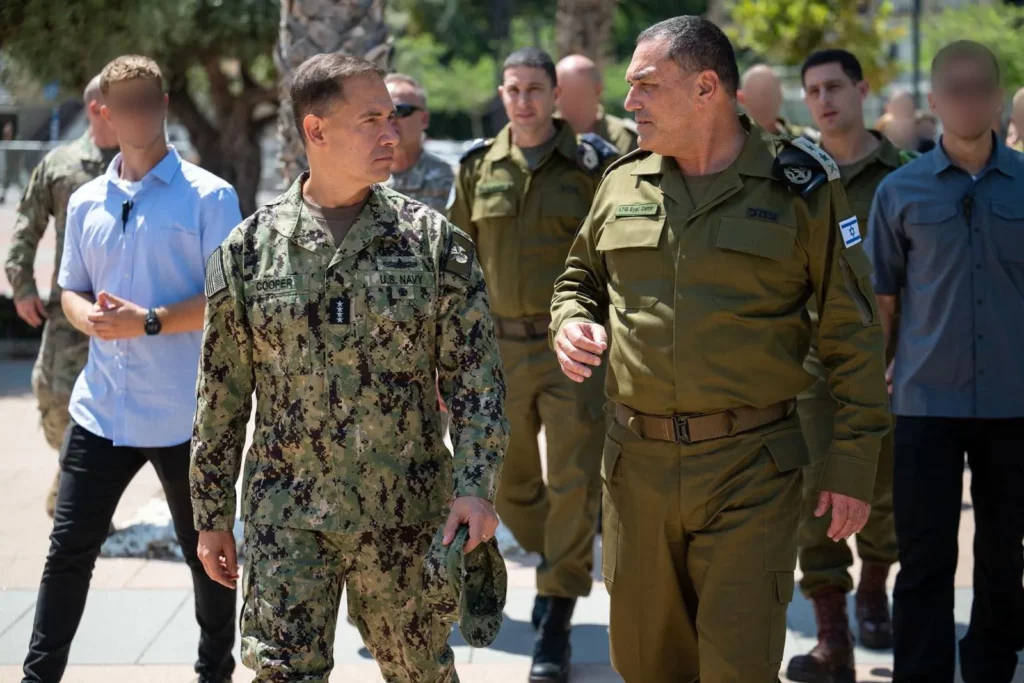
According to Israeli defense correspondents, the talks focused on joint situation assessments and operational coordination, with Iran at the top of the agenda, alongside Gaza. The emphasis, sources say, is on defensive coordination and preparedness for a range of possible scenarios.
Israeli officials assess that Washington is continuing to expand its military presence in the region as part of heightened readiness, though they stress there is no indication of a final decision by President Donald Trump to launch a strike on Iran at this stage.
American Force Buildup Near Completion
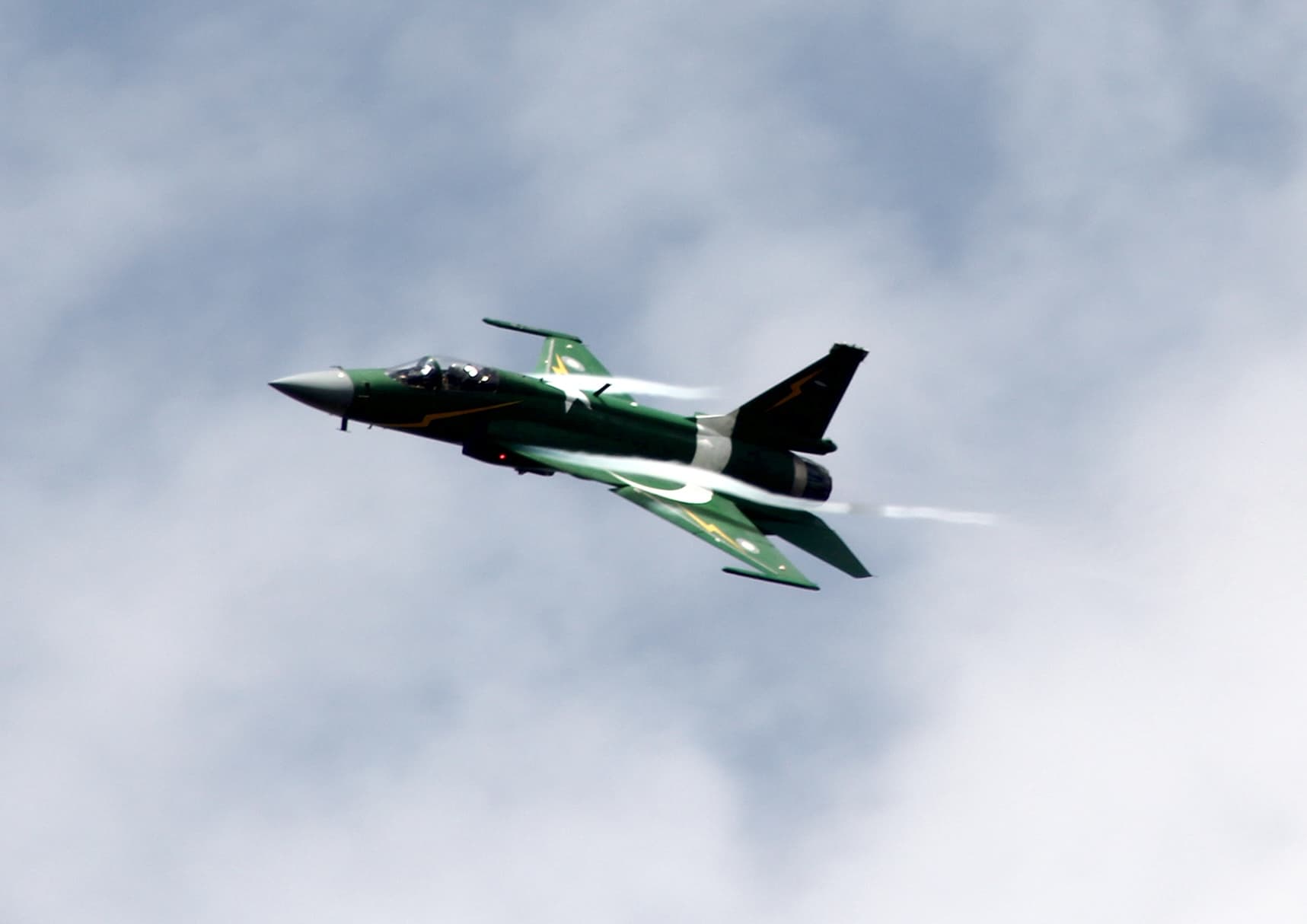
International reports confirm that the deployment of U.S. forces to the Middle East is nearing completion. The expected American presence includes: One aircraft carrier, six warships, two submarines, over 100 fighter jets, dozens of refueling and intelligence aircraft, ballistic missile defense systems, and hundreds of cruise missiles.
This posture is widely seen as both a deterrent and a signal, aimed not only at Tehran, but also at the regional actors who are closely watching.
Parallel to the military moves, Washington has announced additional economic sanctions on Iran. Nine vessels, along with their owners and operating companies, were sanctioned for alleged involvement in transporting Iranian oil.
In Israel, defense officials remain on high alert, particularly over the risk of miscalculation – a scenario in which Iran might misinterpret U.S. deployments as an imminent decision to attack and respond preemptively. For now, there has been no change to Israel’s Home Front Command guidelines, but authorities say the public will be informed immediately if that changes.
The people of the Book, both Jews and Christians, look to a future of peace, not conquest or bloodshed. However, until that day comes, we are sometimes called upon to be prepared to fight against forces of darkness.
Proclaim this among the nations:
Prepare for war!
Rouse the warriors!
Let all the fighting men draw near and attack.
Beat your plowshares into swords
and your pruning hooks into spears.
Let the weakling say,
“I am strong!”
(Joel 3:9-10 NIV)
Discussion0
No comments yet — be the first to share your thoughts.