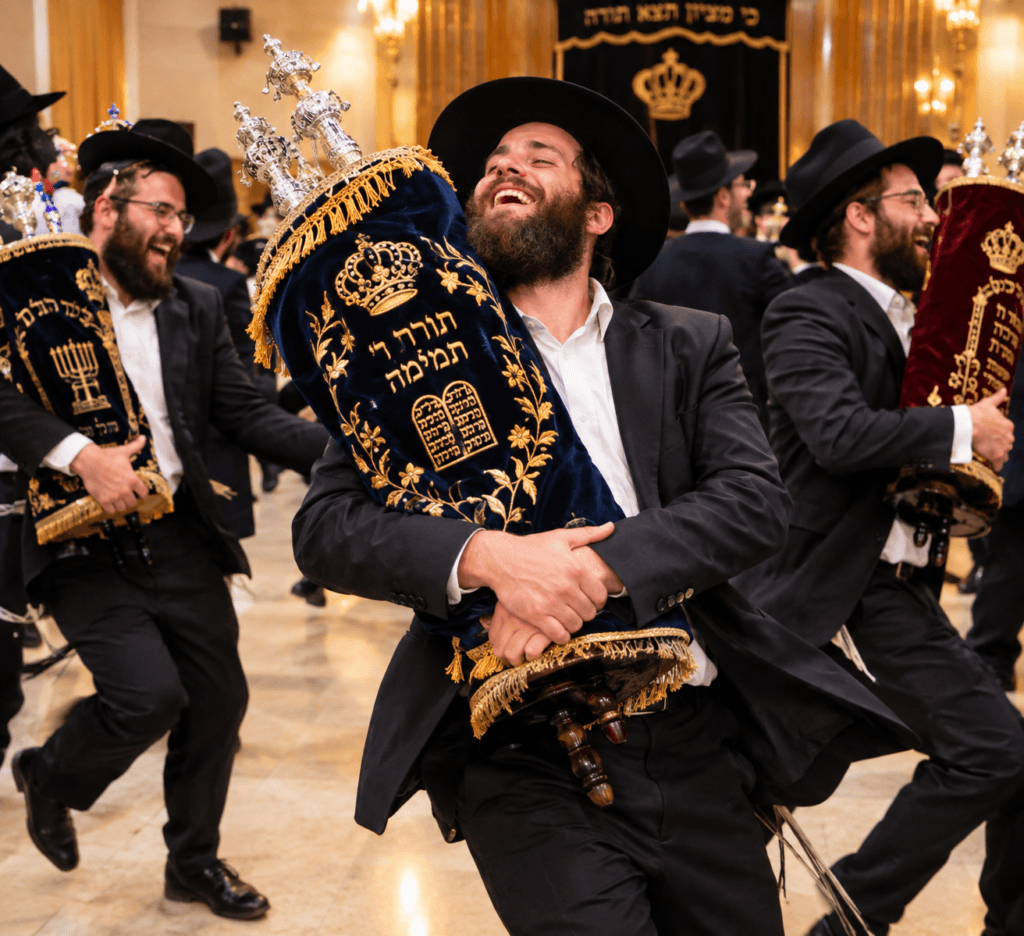

The joy of Simchat Torah | Photo: ChatGpt
Takeaways
- Simchat Torah gives the body a share in what the soul already celebrates.
- Genesis describes people as dust plus divine breath.
- Rewarding a spiritual achievement trains the body to love learning.
- Hebrew letters are introduced to children with honey.
- Joy at the start builds motivation for the whole year.
Most holidays that honor a book would schedule a lecture. Simchat Torah schedules a dance, and the scrolls stay rolled shut the whole time. The reason goes back to the creation of the first human being.
Why Dance With a Scroll Nobody Is Reading?
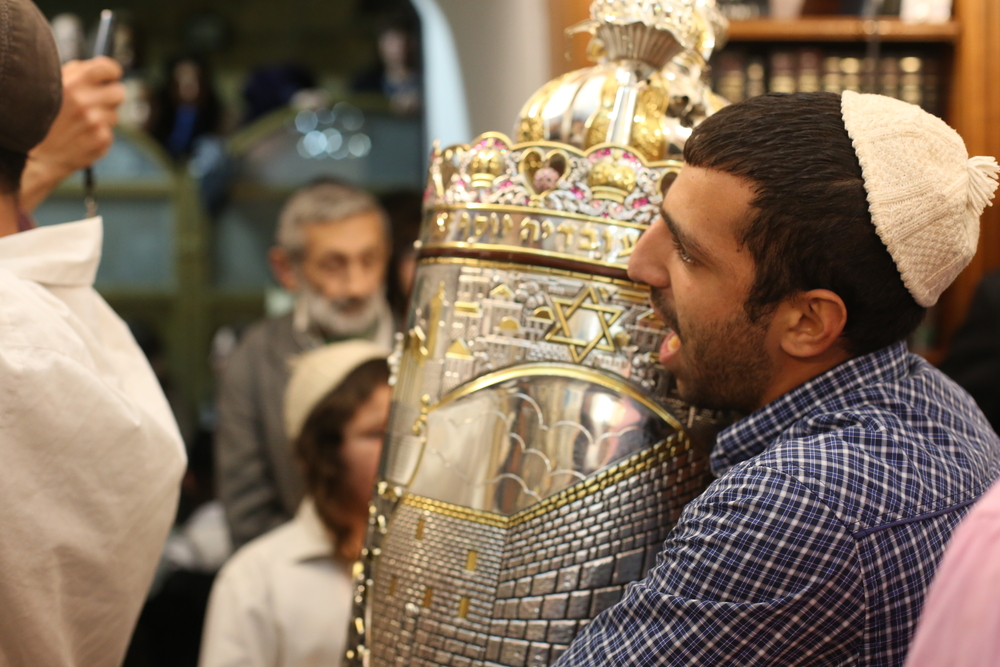
During the hakafot, the dancing circuits of Simchat Torah, the scrolls stay closed. Nobody reads a word. A first-time visitor naturally wonders why a community that loves the Torah would spend an evening circling a room instead of studying.
Jewish tradition answers by asking what a person is made of. Genesis 2:7 describes God forming man from the dust of the ground and breathing into him the breath of life. One person, two ingredients, and both are invited to the celebration.
Dust and Breath in a Single Word
The Hebrew word for a human being is Adam, spelled aleph, dalet, mem. Teachers of Jewish tradition read it as two pieces: the aleph, a silent letter that points to the spirit, and dam, the word for blood. Soul and body share a single name.
The two rarely agree on how to spend a Tuesday. The soul wants wisdom, and the body wants a nap. The sages’ answer is to win the body over until it wants what the soul wants.
Paying the Body for the Soul’s Work
Picture a full year of steady study. The mind enjoys it and the soul thrives on it, yet the body mostly collects a sore back from all the sitting. The body has little reason to think learning is worth repeating.
Simchat Torah answers with singing, dancing, laughter, and a festive meal. The body finally receives its share of the reward. A body that has tasted the joy of finishing stops dragging its feet when the next round of study begins.
Here is a practical idea from this tradition. When you finish a long Scripture reading plan, mark it with a real celebration, such as a family dinner or a walk with friends. Your body will remember the good feeling.
How Movement Shapes Mood
Jewish teachers observe that what we do with our bodies changes how we feel. Stand tall and speak with confidence, and confidence often follows. Dancing works the same way, only louder.
Starting a year of study takes energy. Simchat Torah supplies some in advance. The singing and leaping plant a memory of gladness that people carry into the weeks ahead.
Honey on the Aleph
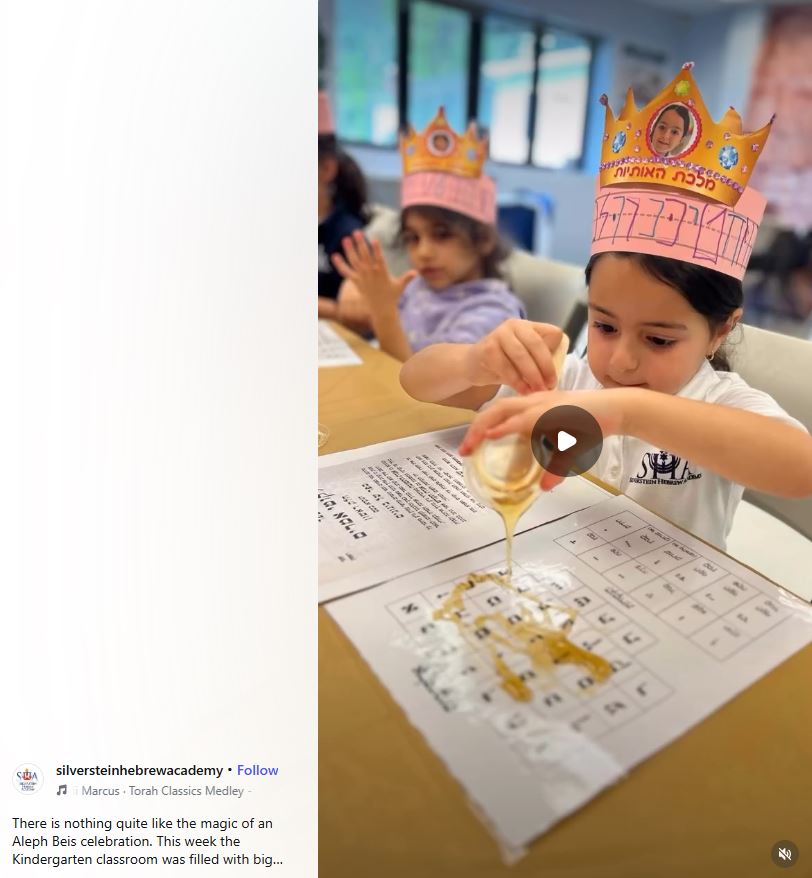
Jewish communities have an old custom for a child’s first Hebrew lesson. The teacher puts a drop of honey on the letter aleph, and the child licks it off. The first taste of learning is sweet.
The custom echoes Psalm 119:103, where the psalmist calls God’s words sweeter than honey to the mouth. Simchat Torah offers adults the same experience. The tunes and laughter stay in the memory and return each time someone opens a book to study.
What Any Reader of Scripture Can Take From It
The lesson travels well. Anyone who loves the Bible can pair study with celebration and let the whole self take part. Finish a book, then feast. Sing the Psalms aloud, or pray while you walk.
Jewish tradition has held for centuries that wisdom sticks best when it arrives with joy. One night of dancing each year keeps that idea alive for the other 364 days.
Discussion0
No comments yet — be the first to share your thoughts.