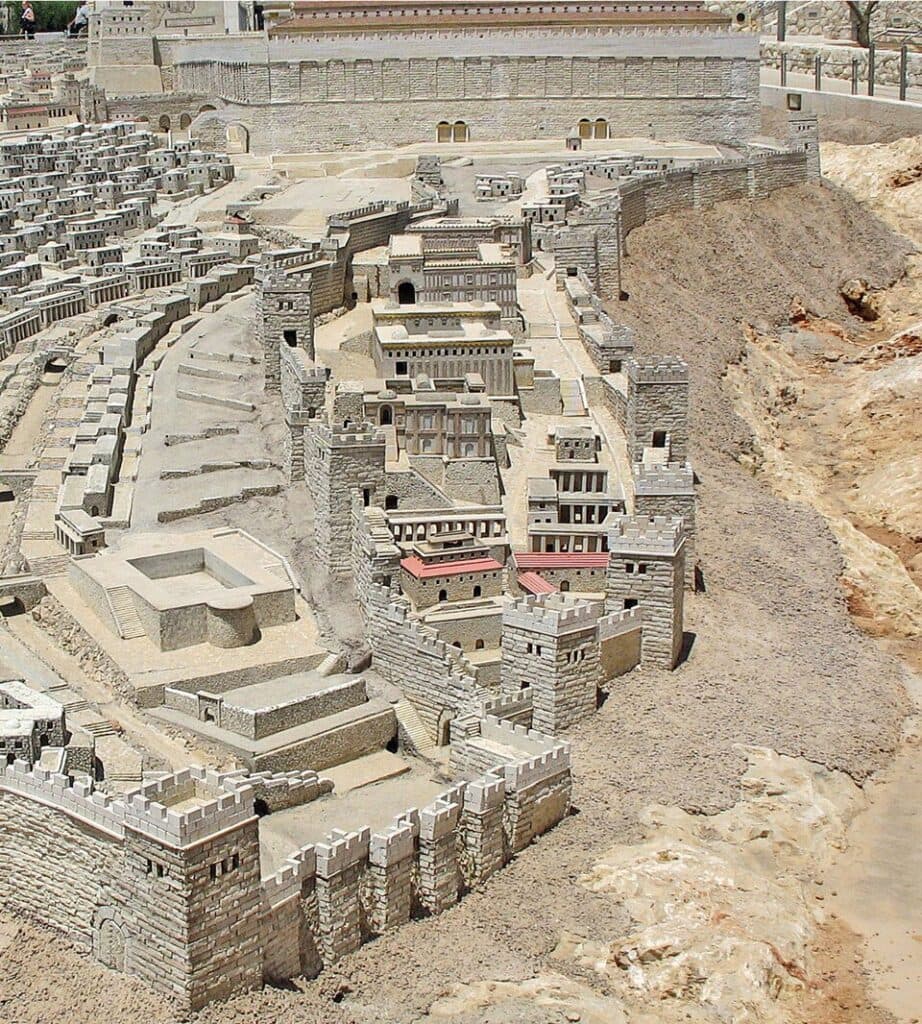

Model of the historical City of David in the Israel Museum, Jerusalem | Wikimedia
Takeaways
- David ruled from two capitals, Hebron and Jerusalem.
- The City of David sits just south of the Temple Mount.
- En Gedi still flows with the springs David knew.
- The Tel Dan Stele carved “House of David” in stone.
- Psalms read on location come alive.
David wrote about the land he walked, and you can still stand where he stood. Five sites trace his life from shepherd to king, and each pairs naturally with a Psalm. Pack a Bible and good walking shoes.
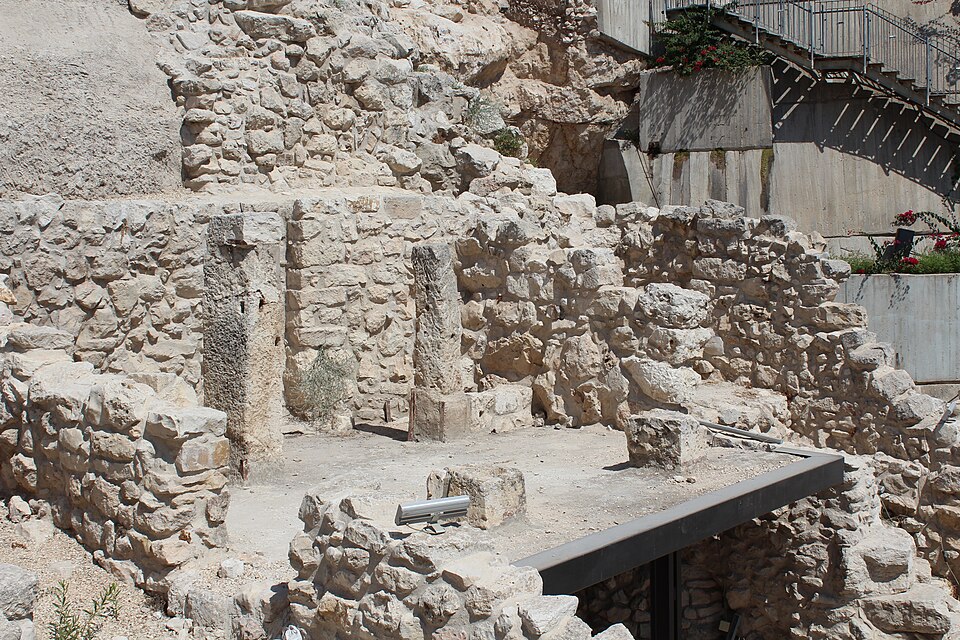
1. The City of David, Jerusalem
The Hebrew Bible says that “David dwelt in the stronghold, and called it the City of David” (2 Samuel 5:9). Today an archaeological park marks the spot, just south of the Temple Mount. You can see the Gihon Spring, the water source that made ancient Jerusalem possible.
Hezekiah’s Tunnel is the showstopper. This 533-meter channel was carved about 2,700 years ago (2 Kings 20:20), and you can walk through it in flowing water. Bring water shoes and a flashlight.
Read Psalm 122:2 here: “Our feet were standing within your gates, O Jerusalem.”
2. Mount Zion and David’s Tomb
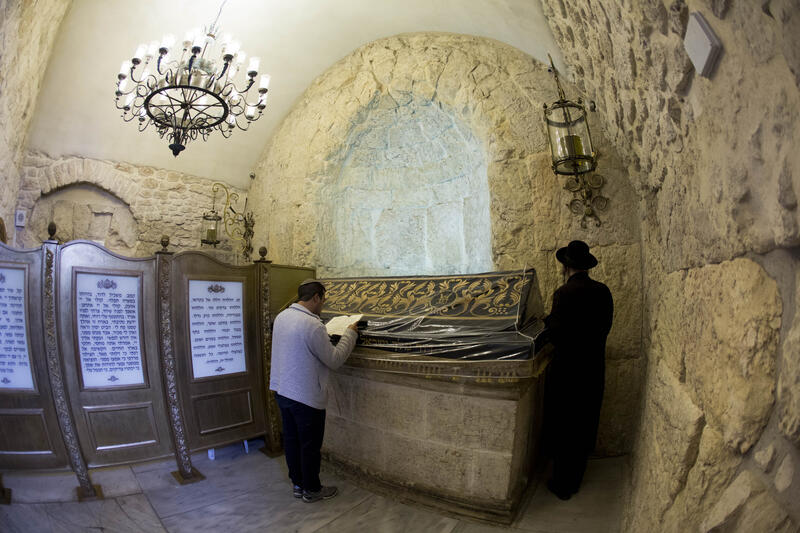
Jewish tradition identifies a site on Mount Zion as David’s resting place. The room is draped in embroidered cloth and filled with quiet prayer. Locals will tell you it’s a place to whisper Psalms.
Here’s a fun fact from Jewish tradition: the sages teach that David was born and died on Shavuot. That makes the festival of Torah-giving doubly meaningful to his story.
Try Psalm 23:1 on location: “The Lord is my shepherd; I shall not want.”
3. En Gedi, David’s Desert Hideout
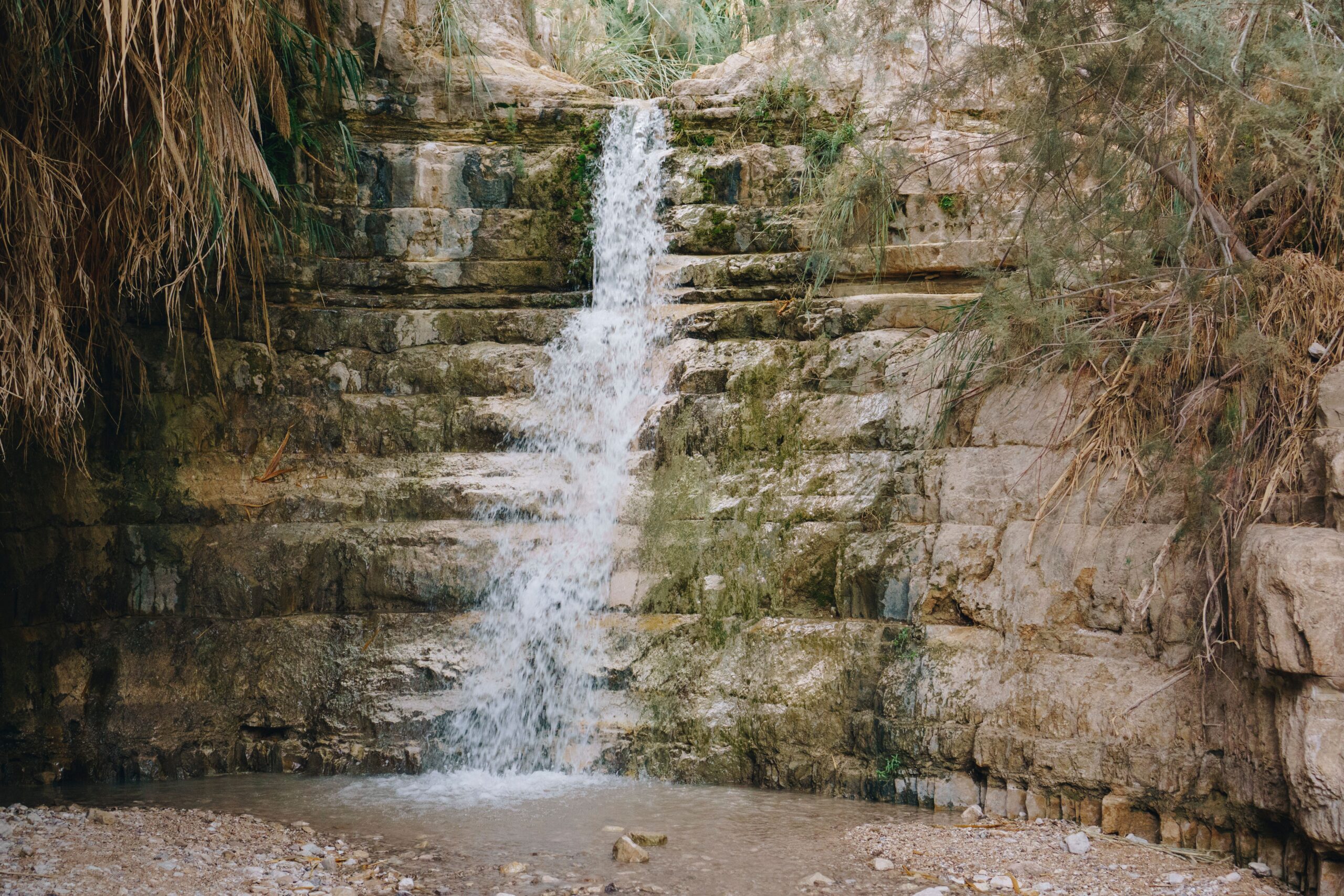
Fleeing Saul, David hid in the strongholds of En Gedi (1 Samuel 23:29). The Judean Desert here is bone dry, yet the reserve bursts with waterfalls, pools, and wild ibex. Hikers find rock hyraxes perched on boulders too.
It was in a cave nearby that David spared Saul’s life, even when his men urged him to strike (1 Samuel 24). Song of Songs 1:14 even praises “the vineyards of En Gedi.”
Hike early, before the desert heat builds. Psalm 63:2 fits perfectly: “My soul thirsts for You… in a dry and weary land.”
4. Tel Dan and the House of David
In northern Israel, springs feed the Jordan River’s headwaters among shady trails. In 1993, archaeologists found the Tel Dan Stele here. Its ninth-century BCE Aramaic inscription mentions the “House of David,” the earliest known reference to David’s dynasty outside the Bible.
The stele now rests in the Israel Museum in Jerusalem, so you can see it up close. Even Israel’s neighbors remembered the royal line centuries later.
5. Hebron, David’s First Capital
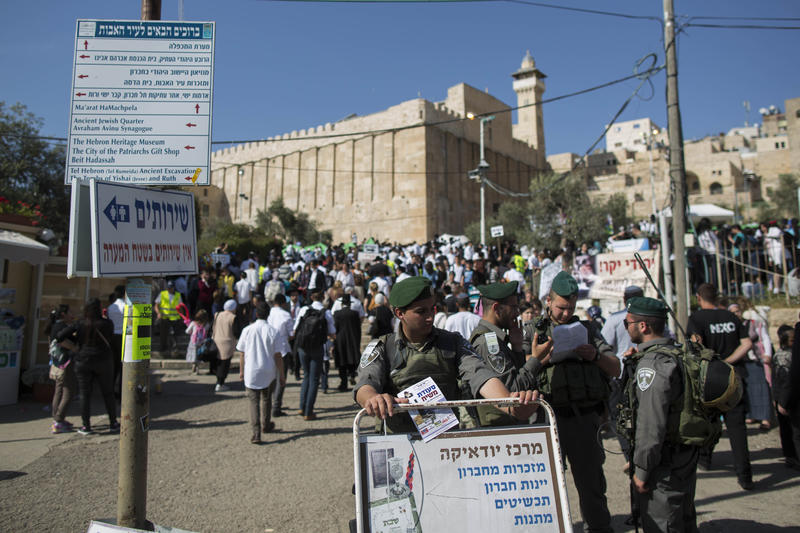
Before Jerusalem, David reigned in Hebron for seven and a half years (2 Samuel 5:5). The city also holds the Cave of Machpelah, where Abraham buried Sarah after paying 400 shekels of silver (Genesis 23:16). That’s one of the Torah’s earliest recorded real estate deals.
Hebron links David to the patriarchs and God’s promises to them. Check current security and access guidance before you go.
Plan Your Visit
A smart route starts in Jerusalem, moves to Hebron and En Gedi, and ends at Tel Dan in the north. Confirm opening hours and trail conditions first, especially in summer.
Read each passage at the site. Psalm 121:1 sets the tone for the whole trip: “I will lift up my eyes to the hills.” Standing in David’s hills, you’ll feel why he sang.
Discussion0
No comments yet — be the first to share your thoughts.