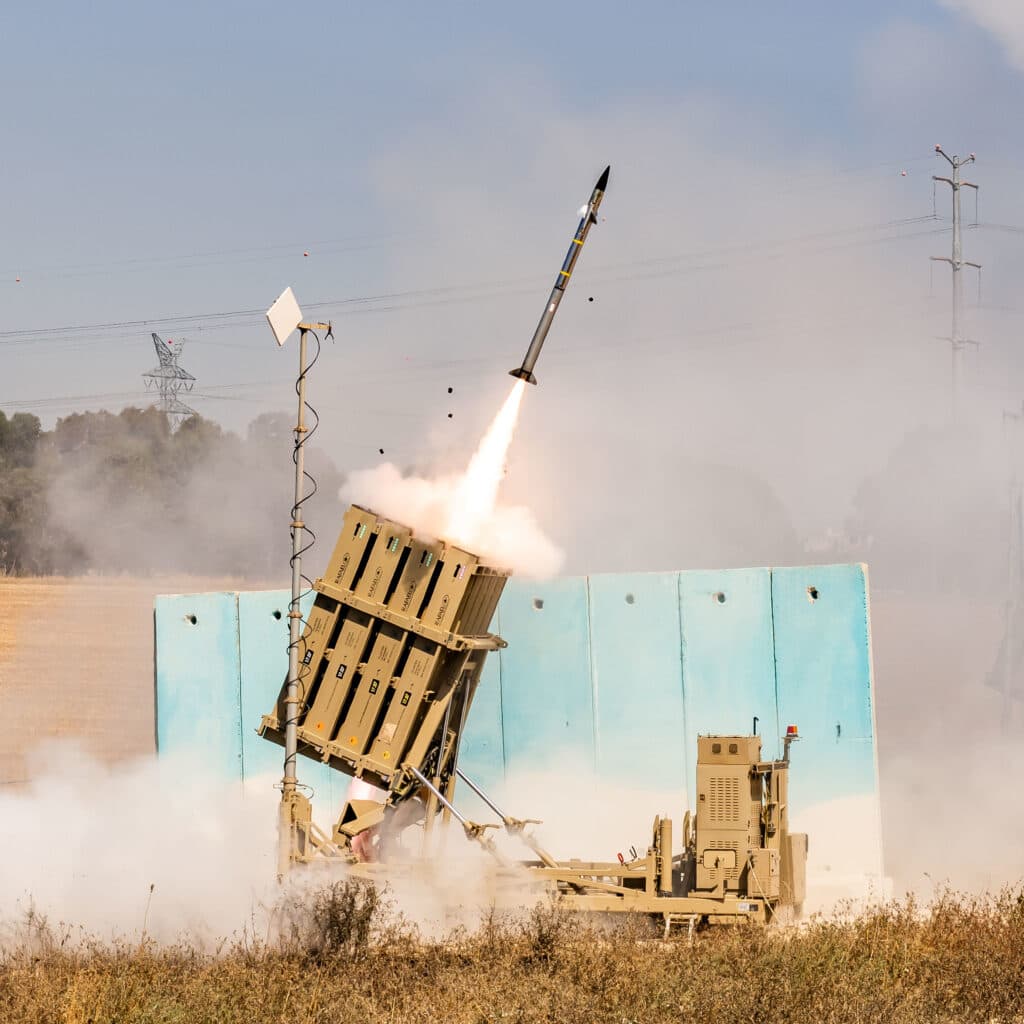

IDF Iron Dome firing interceptor | Photo: Wikipedia
Takeaways
- The Iron Dome only chases rockets aimed at people.
- It decides in seconds who lives.
- Batteries move to wherever the danger is worst.
- It’s just one layer in Israel’s defense.
- The real win is the funeral that never happens.
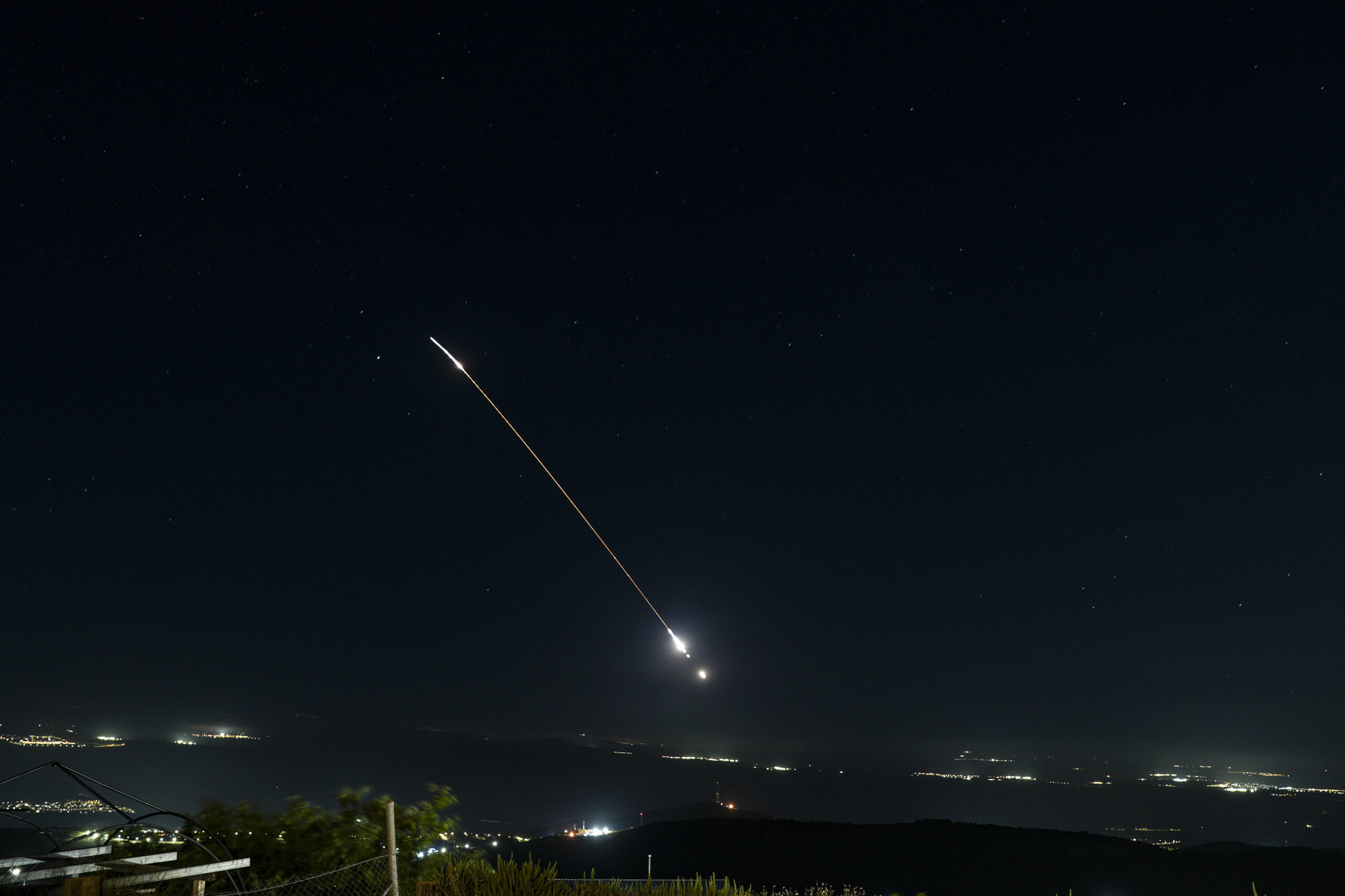
Picture a rocket launching from a few miles away, no warning, no siren yet, just a streak of light heading toward an apartment block. Somewhere nearby, a radar has already clocked it, a computer has already run the math, and a decision has already been made about whether that rocket is worth intercepting.
All of that happens in under fifteen seconds. That’s the Iron Dome, and most people who’ve heard the name couldn’t actually explain what it does.
The Problem It Was Built to Solve
Rockets fired at Israeli towns often come from just a few miles away. There’s barely enough time to reach a shelter, let alone organize a proper response.
The Iron Dome was built for exactly that gap, the seconds between launch and impact where nothing else could react fast enough.
Its first combat use was in 2011, developed by Rafael Advanced Defense Systems with backing from the Israeli government and the United States. Since then it’s been used thousands of times, across multiple rounds of conflict.
📖 Read this article about Israel’s development of new advanced Iron Dome interceptors.
How It Actually Works
The system has three parts. A radar detects the launch, a control center calculates where the rocket will land, and an interceptor missile fires only if that spot is populated.
If the rocket is headed for an open field, the system lets it fall. That selectivity is the whole point. It saves interceptors, which aren’t cheap, and keeps the focus on protecting actual human lives rather than every inch of land.
What It Doesn’t Do
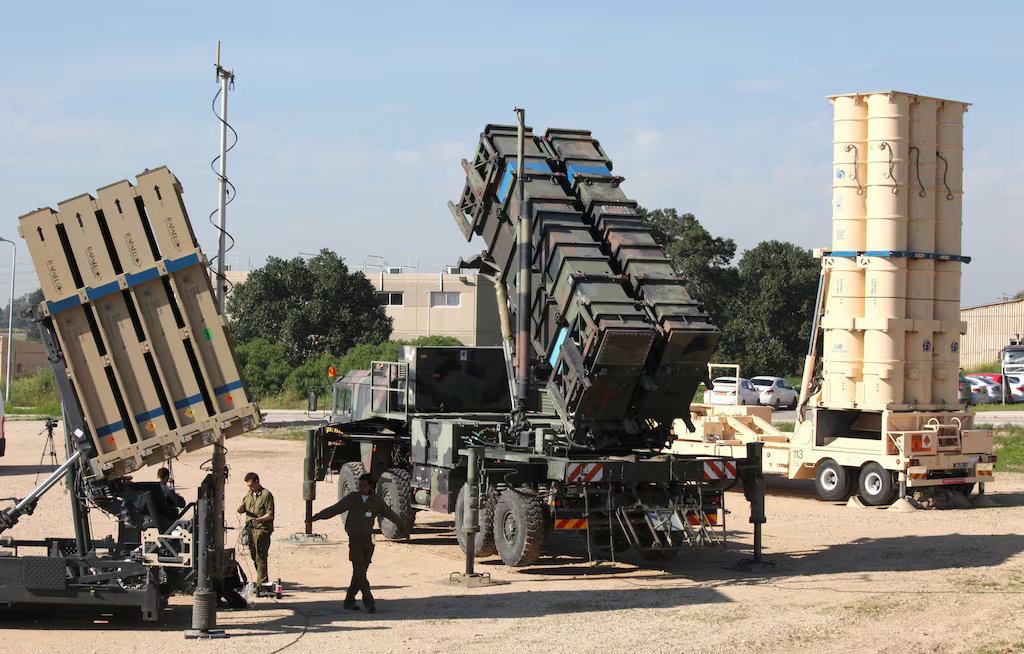
The Iron Dome isn’t Israel’s only defense. It covers short-range rockets, mortar shells, and some drones. Longer-range missiles get handled by other systems entirely, like David’s Sling and the Arrow system. The Iron Dome is one layer in a stack, the layer that deals with threats coming from just over the border.
The Meme That Explains It Better Than the Specs
There’s a cartoon that circulates online every time rockets fly toward Israel: a giant hand reaching down from the sky, deflecting missiles away from the ground below. People share it half as a joke and half as something they actually believe. It captures a feeling that a lot of Israelis and their supporters carry, that protection here has always felt like more than steel and radar.
That image lines up with a much older idea. Psalm 18:2 puts it plainly: “God is my rock, my fortress and my deliverer.”
Long before radar existed, that was the language people reached for when they needed to feel safe.
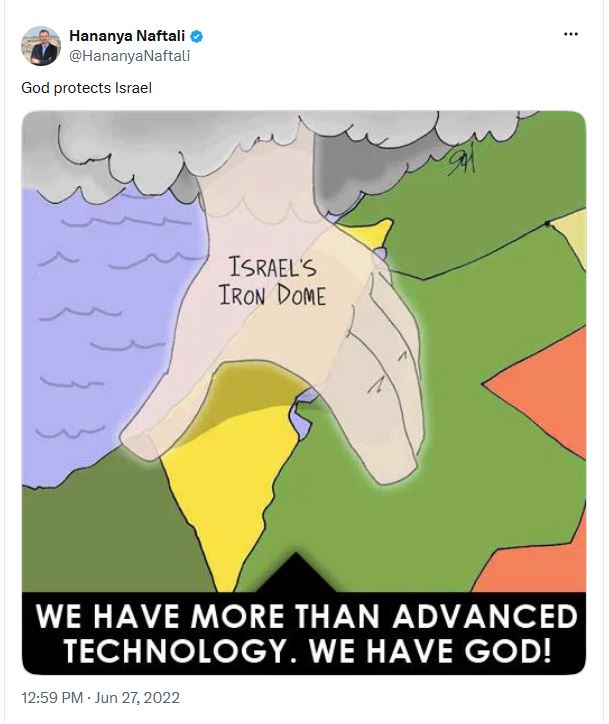
Meme that goes viral every time Israel is at war: “Israel’s Iron Dome” | Credit: Hananya Naftali’s X Account | Used Under Fair Use For News Reporting
Why the Numbers Actually Matter
The Iron Dome’s intercept rate against rockets it engages is widely reported at around 90 percent. That number represents apartments still standing, kids still going to school the next morning, and families who never had to plan a funeral. The system doesn’t make headlines for what it prevents, only for what occasionally gets through.
The Iron Dome was never about winning a war. It’s about a country deciding that when rockets fall, as many people as possible get to walk away from it.
Want to keep reading? Find out how Israelis have improved their personal safety tactics since Oct 7. Explore more on faith, values, and the Land of Israel at Sinai Project.
Discussion0
No comments yet — be the first to share your thoughts.