


“Am Yisrael Chai”: the most obvious chant at a Pro-Israel rally in Washington, D.C. | Photo: Shutterstock
Takeaways
- Am Yisrael Chai literally means “the people of Israel live.”
- It became famous at Bergen-Belsen, right after the Holocaust ended.
- Shlomo Carlebach turned it into a song for Jews trapped in the Soviet Union.
- It’s not a Bible verse, but it echoes a moment straight out of Genesis.
- Today it’s shouted at rallies, sung at weddings, and whispered at memorials.
I still remember the first time I heard a crowd shout Am Yisrael Chai together. It gave me actual goosebumps.
Three small Hebrew words, and somehow they carry the weight of thousands of years of history. If you’ve heard the phrase and wondered what it really means (and why it hits so hard), I’ve got you.
What Do the Words Actually Mean?
Let’s break it down simply. Am means “people.” Yisrael means Israel, as in the people of Israel. Chai means “alive” or “lives.” Put them together and you get “the people of Israel live.”
Here’s the part I find fascinating: it’s not a quote from the Bible. You won’t find it printed in any ancient text. It’s something the Jewish people basically invented in real time, as a way of talking back to history. And once you know the backstory, that fact hits different.
The Moment That Made It Famous
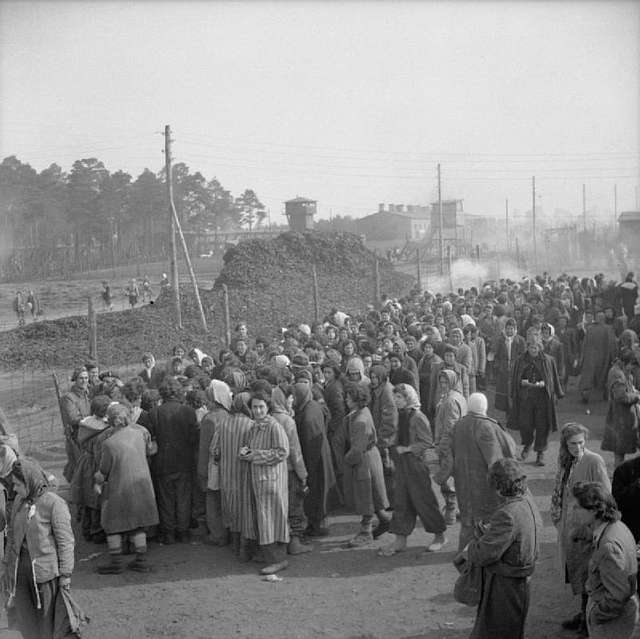
This is my favorite piece of trivia to drop at Shabbat dinner. In 1945, right after Bergen-Belsen was liberated, a British Army chaplain named Rabbi Leslie Hardman reportedly cried out “Am Yisrael Chai” as survivors sang Hatikvah nearby.
Picture that scene for a second. People who had just walked out of the worst horror imaginable, and the first words spoken over them were a declaration that they were still here.
The slogan means so much more than defiance. It means survival, but the kind of survival that’s against all odds. The kind of survival that’s Biblical in its essence.
How a Song Turned It Into a Movement
Fast forward to the 1960s. A musician named Shlomo Carlebach wrote a song using the phrase, originally for the Soviet Jewry movement, when Jews behind the Iron Curtain weren’t even allowed to practice their faith openly. The song spread fast.
Suddenly “Am Yisrael Chai” wasn’t just something said at a somber moment. It was something people could sing, dance to, and shout at rallies.
I think that’s part of why it still works today. It’s flexible enough to be a cry of grief and a shout of celebration in the same breath.
The Biblical Echo Nobody Talks About
Here’s an intriguing fact most people miss. Carlebach’s song has a second line: “od avinu chai,” meaning “our father still lives.” That line is a direct callback to Genesis 45, when Joseph, after revealing his identity to his brothers, asks the question that had been burning in him for years: is our father still alive?
So this modern anthem is quietly built on a 3,000 year old family reunion. The people of Israel live because their story never actually stopped being told.

Why It Still Matters Today
You’ll hear this phrase at Jewish festivals, at Holocaust memorials, and honestly, at just about any pro-Israel gathering you attend. It’s become shorthand for something bigger than words: the idea that no matter what’s thrown at this nation, it keeps showing up.
For anyone watching from the outside with genuine respect for Israel’s story, that’s worth sitting with. The people of Israel live. Not as a hope. As a fact, proven again every single day.
Discussion0
No comments yet — be the first to share your thoughts.