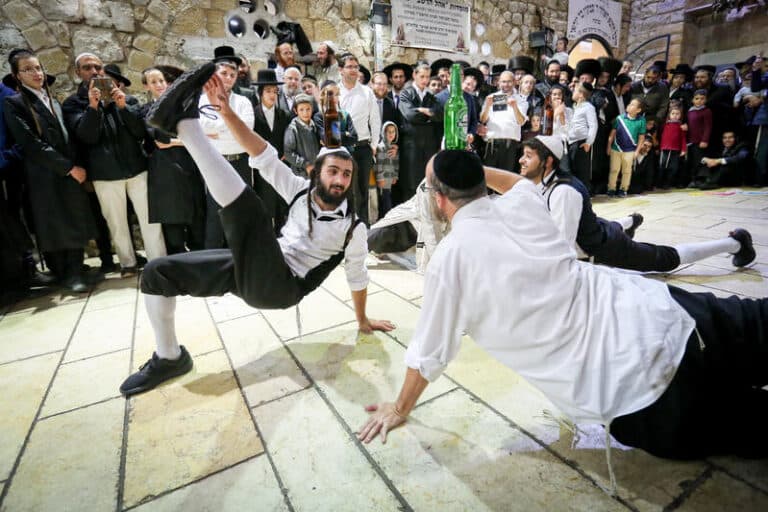

Religious Jews celebrate Simchat Beit Hashoeva, the rejoicing at the place of the water-drawing, a nightlong celebration that begins at nightfall and continues until the morning at Rebbe Shimon bar Yochai’s grave in the Northern Israeli town of Meron. This rejoicing occurs every night of Chol Hamoed, the days in between the first and eighth day of Sukkot | Photo: David Cohen/Flash90
Takeaways:
- Complete joy is commanded, stronger than any other festival.
- The fragile roof teaches that real security comes from above.
- Simchat Beit HaShoevah was history’s most joyful celebration.
- The festival includes the stranger, orphan, and widow.
- The joy is built to outlast the holiday.
Why Sukkot Is Called the Holiday of Joy
The Jewish holiday of Sukkot (sometimes referred to in English as the Feast of Tabernacles or the Feast of Booths) carries a name found nowhere else on the Jewish calendar: zman simchateinu, “the time of our rejoicing.” Every other festival gets a mention of joy somewhere in its instructions. Sukkot gets commanded joy, repeated twice for emphasis, and stretched over an entire week.
The Torah’s Command to Rejoice
Deuteronomy 16:13-15 spells it out plainly. Build the sukkah, gather for the festival, and be “completely joyous.” The text reaches past the household too, naming the Levite, the stranger, the orphan, and the widow, folding every person at the margins into the celebration. Joy here becomes a shared assignment, carried by the whole community together.
Jewish prayer books even shorten the holiday’s name to ha-chag, simply “the Holiday,” a title that fits since rejoicing sits at the center of everything Sukkot does.
A Hut With a Fragile Roof
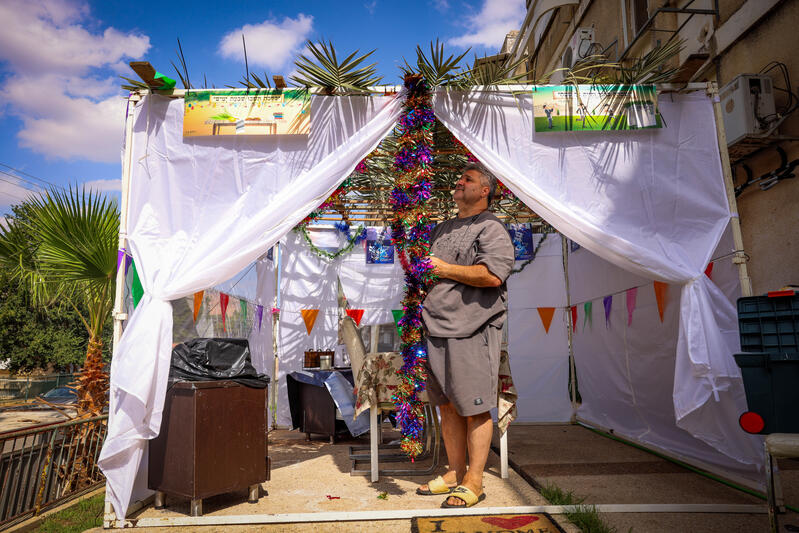
The sukkah itself is the heart of the matter. Families leave sturdy homes for seven days and move into a temporary structure topped with branches, letting starlight through the gaps in the roof. Jewish tradition describes it as a place where self-reliance gives way to something quieter, a peace that settles in once the walls come down to branches and open sky.
The Talmud puts a fine point on it: joy reaches its peak when doubt finally resolves. Sitting under that thin roof answers a question people carry all year long, the one about who actually keeps them safe. That answer lives in the branches overhead rather than in a mortgage or a paycheck. The sukkah becomes a physical answer, built from open sky.
The Water-Drawing Celebration
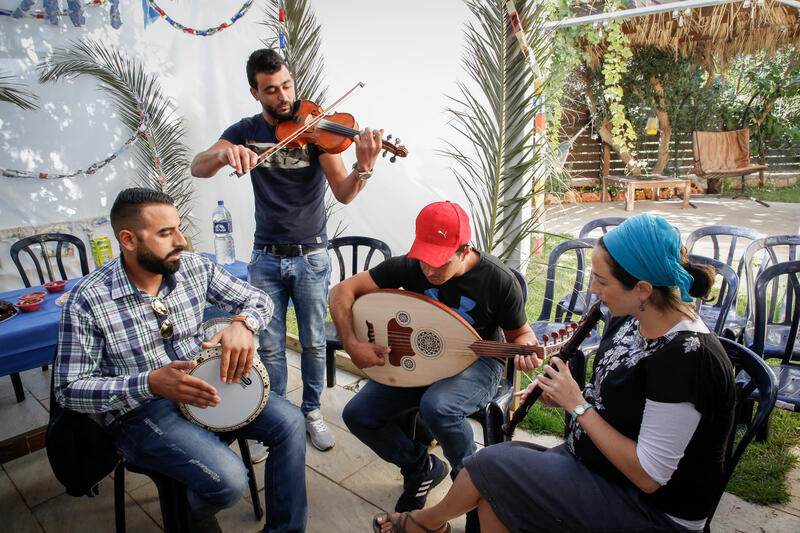
When the Temple stood in Jerusalem, Sukkot reached its loudest and brightest moment during Simchat Beit HaShoevah, the Rejoicing of the Water-Drawing House. Priests carried water from the Pool of Siloam each morning and poured it over the altar alongside wine. Musicians played, torches lit the courtyards, and celebration ran late into the night.
The Talmud’s verdict on the scene is direct: witnessing Simchat Beit HaShoevah meant witnessing real joy, the kind nothing else in Jewish life could match. The ritual carried the community’s prayers for rain, tying the whole spectacle back to a single idea. Every drop of sustenance traces back to God, and gratitude for that deserves music and dancing, celebrated loudly.
A Harvest That Points Upward
Sukkot doubles as Chag Ha’Asif, the Festival of Ingathering, timed to land right after crops come in from the field and the winepress. The Torah frames the harvest itself as evidence of blessing, a gift traced back to God rather than credited to effort alone.
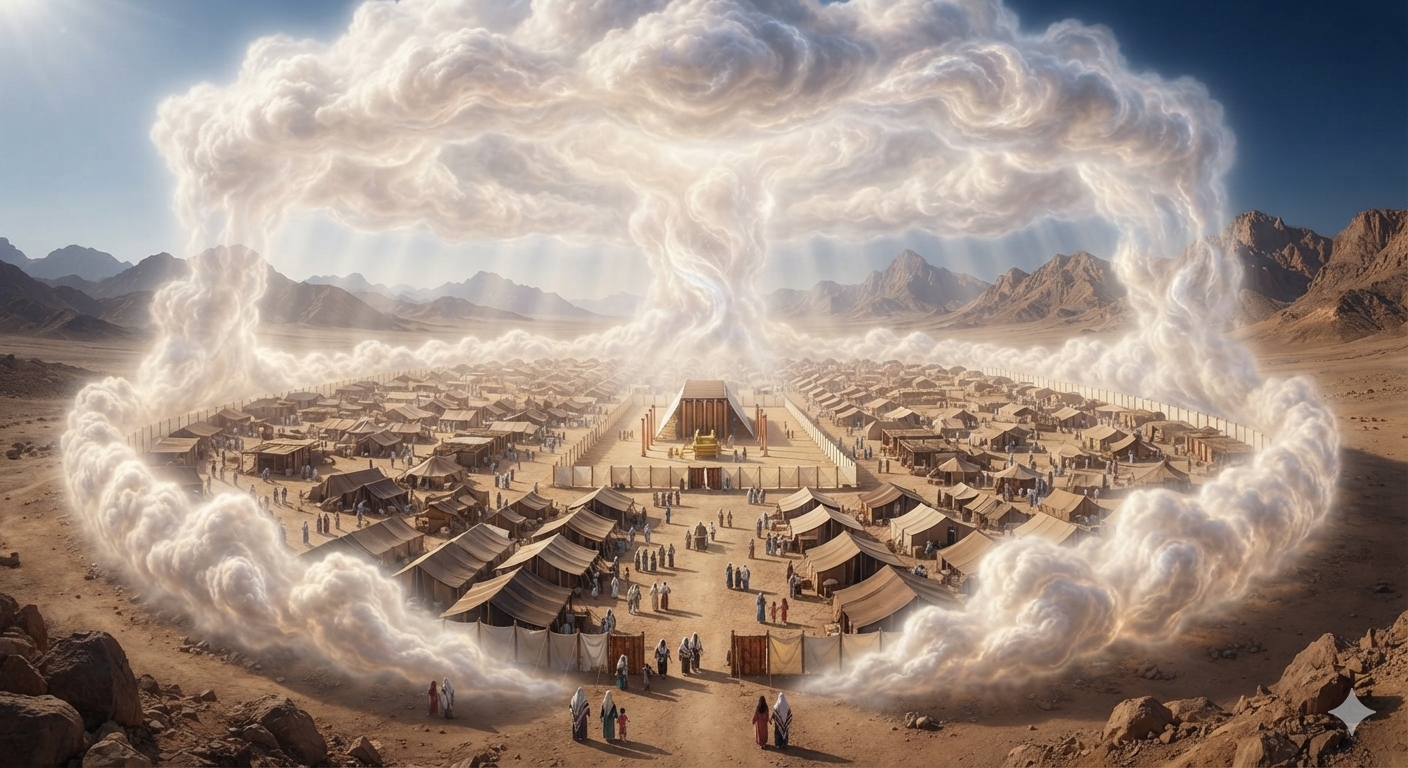
The sukkah also serves as a memory device, recalling the booths the Israelites lived in during forty years in the desert, sheltered the whole time by the Clouds of Glory. Harvest gratitude and desert memory sit side by side, turning a farming festival into a lesson about protection that traces back to God’s care through every season.
Carrying the Joy Past the Holiday
Seven days end, but the clarity built inside the sukkah is meant to travel further than the calendar allows. Anxiety has a way of creeping back in. The teaching asks people to remember what the flimsy roof taught them, that security was always rooted in God’s protection, held steady regardless of property or income.
Sukkot offers a picture of joy built on trust rather than circumstance, and that picture holds steady long after the branches come down. The desert generation lived under open sky and called it protection. The invitation stands for anyone willing to sit under that same sky and notice what holds it up.
Discussion0
No comments yet — be the first to share your thoughts.