
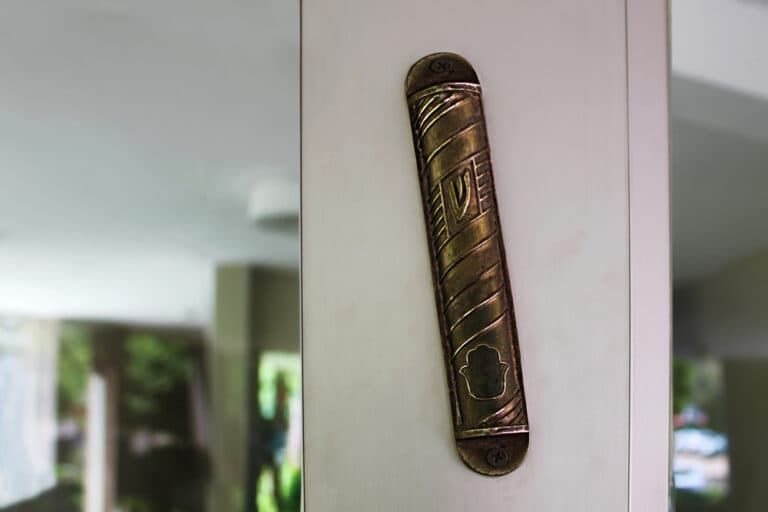

Silver mezuzah on doorpost in home | Photo: Shutterstock
Takeaways:
- A mezuzah is a small scroll attached to the doorpost of a Jewish home.
- Inside it are two passages from Deuteronomy, handwritten by a trained scribe.
- It marks a home as a place shaped by covenant and memory.
- Many people touch the mezuzah and kiss their fingers as they pass through.
- The doorway becomes a daily pause to remember God before stepping into the world.
It’s Not Decor
I’ve walked through hundreds of doorways with a small case fixed to the frame, and I still pause at some of them. A mezuzah looks so simple.
It’s a thin parchment scroll, rolled tight, tucked into a case, and fastened to the right side of a doorway.
But it’s not a decoration. It’s a daily reminder that the home inside belongs under God’s care, and that ordinary rooms can hold something sacred.
The instruction comes straight from the Torah:
“And you shall write them on the doorposts of your house and on your gates” (Deuteronomy 6:9).
That single line turned a piece of doorpost decor into a spiritual object.
What’s Actually Written Inside
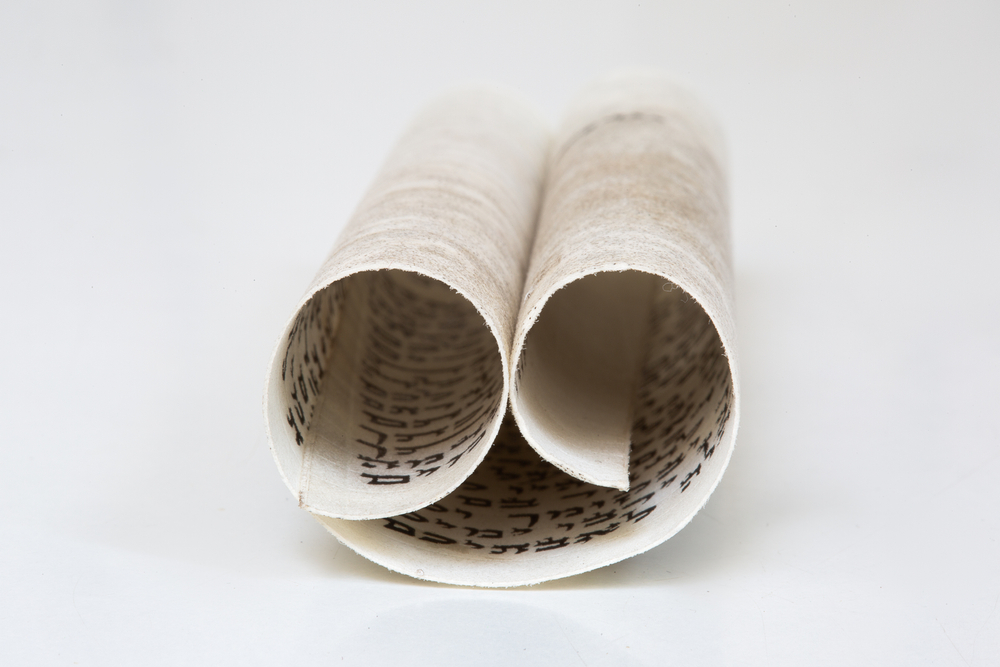
A kosher mezuzah contains two specific passages written on parchment, Deuteronomy 6:4-9 and Deuteronomy 11:13-21, written in careful, deliberate Hebrew script.
These verses open with the Shema: “Hear, O Israel! The Lord is our God, the Lord alone.” From there, the text moves into a command to love God, teach His words to children, and keep them present at home and “on the way,” meaning everywhere life happens.
The scroll is written by a trained scribe, and the lettering has to be exact. In Jewish tradition, the holiness of the mitzvah rests on that precision. A single cracked letter can disqualify the entire scroll.
📖Read this article about why Jews wear black boxes (tefillin) every morning.
Why a Doorway Was Chosen
Out of every spot in a home, the doorway symbolizes something significant. Tradition teaches that the mezuzah points from the “domain of the many” toward the “domain of the one,” a phrase that’s stuck with me for years.
Think about how many times a day you cross a threshold without thinking twice about it. The mezuzah interrupts that. It says this exit and entrance matters. It’s not locked away in a place of worship.
It’s hanging right where ordinary life happens, on the way to the kitchen, the way out the door, the way back in after a long day.
The Quiet Power of a Small Gesture
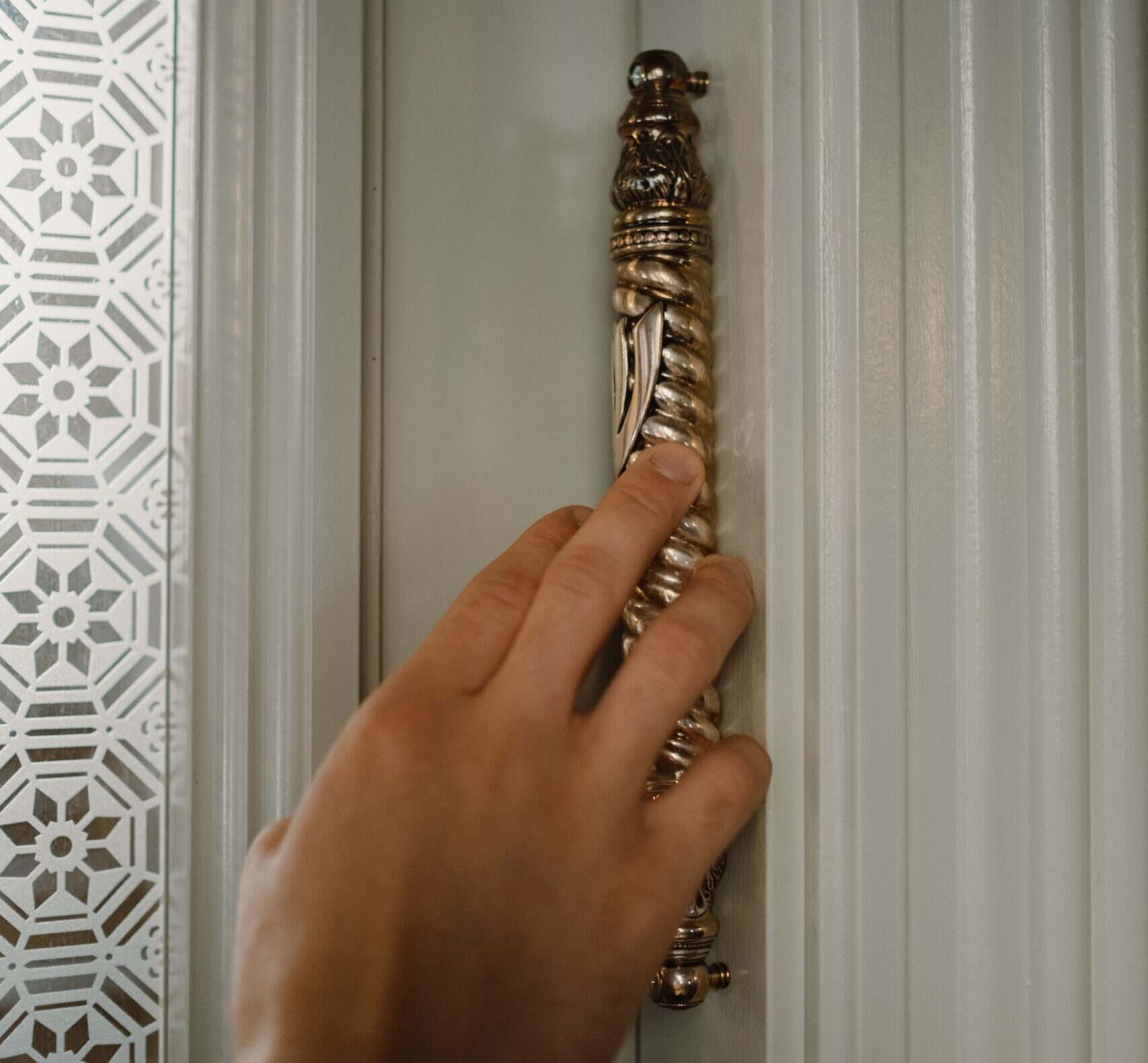
Jews often touch the mezuzah and then bring their fingers to their lips. It’s a small motion, barely noticeable if you’re not looking for it. But it’s an act of affection toward the words inside and the commandment behind them.
I find something deeply moving in that. Faith doesn’t always need to be loud. Sometimes it’s a fingertip brushing against a doorframe, a half-second pause before walking into the rest of your day.
What It Means to Live Marked by Memory
Here’s where the mezuzah becomes more than ritual. It declares that a home is shaped by remembrance. Tradition frames it as protection and presence, not because the object works some kind of magic, but because the home itself is consciously aligned toward God.
Every time someone walks past it, they’re nudged to remember and return inward, even while heading out into a noisy world.
A Doorway That Still Speaks
A mezuzah is both commandment and message.
Remember God when you enter. Remember Him when you leave. Let the home reflect the holiness of the words fixed to its frame.
It’s a small scroll, but it carries something that’s lasted thousands of years, and it still has something to say every time a door opens.
Want to keep reading? Read here about why Jews pray 3 times a day. Explore more on faith, values, and the Land of Israel at Sinai Project.
Discussion0
No comments yet — be the first to share your thoughts.