UK Military Support for Saudi Arabia Under Review
Britain is considering additional military support for Saudi Arabia as Houthi advances and attacks threaten oil infrastructure and Bab al-Mandab

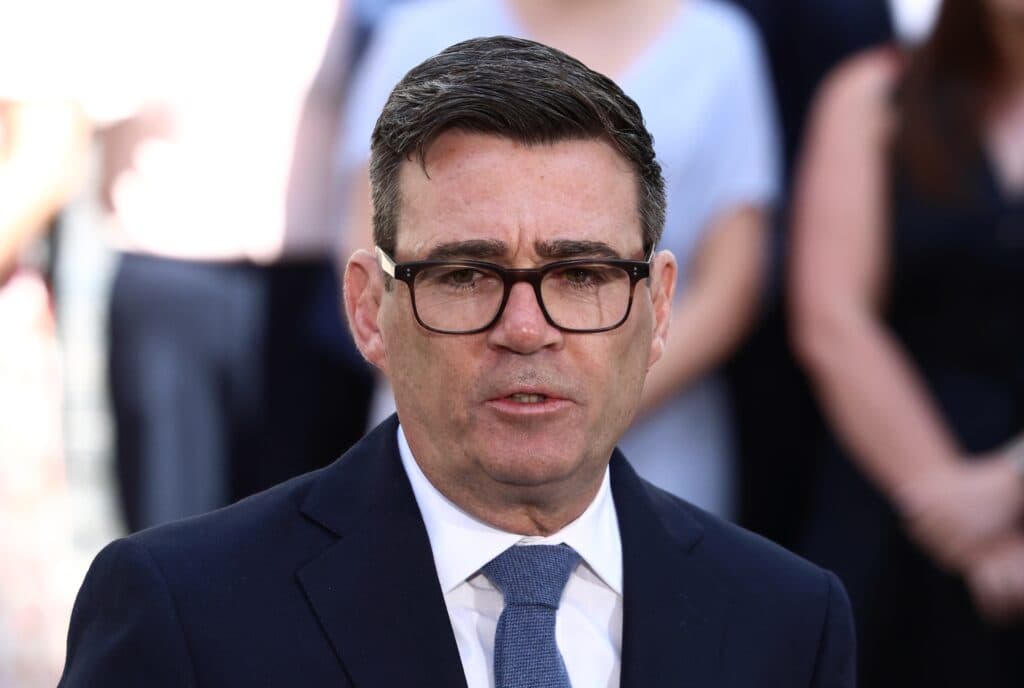
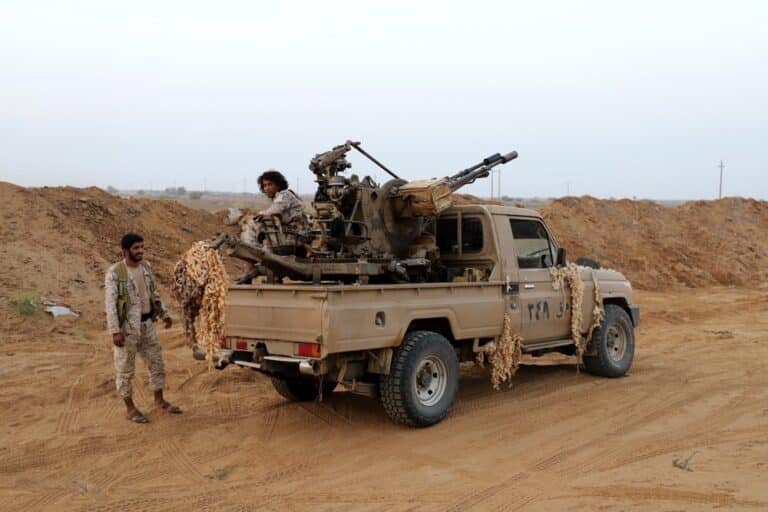
UK military support for Saudi Arabia is under consideration as Riyadh seeks additional help against the Iran-backed Houthis, according to Bloomberg. British Prime Minister Andy Burnham is weighing Saudi requests for assistance protecting oil infrastructure and slowing the Houthi advance toward Bab al-Mandab. Burnham has already agreed to send British military advisers, while decisions on broader assistance remain unresolved.
The reported request comes as Houthi forces expand their position along Yemen’s Red Sea coast and continue attacking Saudi territory. Saudi Arabia has also sought American assistance, with Crown Prince Mohammed bin Salman asking President Donald Trump for military support. Washington declined direct strikes but agreed to provide intelligence and targeting assistance.
Ecclesiastes 4:10 says, “For if they fall, the one will lift up his fellow.” The principle carries particular weight in a region where no state can secure major shipping routes alone. Saudi Arabia’s appeals show how quickly a regional military threat can become a shared problem for Western allies and global commerce.
UK Military Support for Saudi Arabia Expands
Britain has already moved closer to Riyadh on defense cooperation. In July, Burnham appointed Air Chief Marshal Sir Harv Smyth as Britain’s defense envoy to Saudi Arabia. During a call with Mohammed bin Salman, the prime minister also condemned Iranian and Houthi attacks and pledged to strengthen defense ties.
London has since taken an increasingly clear position on the Houthi escalation. The British government says Houthi attacks on Saudi Arabia threaten civilians, energy infrastructure and freedom of navigation through the Red Sea. It has also stated that Saudi Arabia and Yemen’s internationally recognized government have the right to defend themselves under international law.
Riyadh’s search for assistance nevertheless exposes the scale of the challenge. Years of Saudi military investment have not eliminated the Houthi threat. The group’s recent territorial gains now place additional pressure on a kingdom already facing attacks against critical energy infrastructure.
Bab al-Mandab Raises the Stakes
The Houthis have pushed south along Yemen’s Red Sea coast and gained control around Mokha, Perim Island and other strategically important positions. Their advance has given the Iran-backed movement unprecedented leverage around Bab al-Mandab, one of the world’s most important maritime chokepoints.
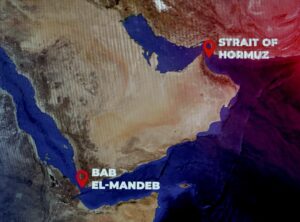
That makes the Saudi request far more consequential than another round of Yemen fighting. Bab al-Mandab connects the Red Sea with the Indian Ocean and carries international trade toward the Suez Canal. Houthi pressure there can affect European economies, Saudi oil exports, American strategic interests and Israel’s maritime access to Eilat.
The danger is already visible in energy markets. Attacks on Saudi infrastructure and growing insecurity around shipping routes have driven oil prices higher. Reuters reported that disruptions around Saudi Arabia, Hormuz and the Red Sea have intensified fears about global supply.
The issue also gives added context to “Mike Huckabee Questions UK Sanctions on Judea and Samaria.” Huckabee challenged Britain’s decision to focus pressure on Israeli communities beyond the Green Line. The current crisis raises a broader question about priorities as London confronts an Iran-backed movement threatening Saudi cities, oil infrastructure and international shipping.
A Common Front Against Iran-Backed Threats
The United States and Israel have a shared covenantal tradition that treats strength as a responsibility to defend life, liberty and national sovereignty. Both countries also understand that deterrence weakens when hostile actors believe allies can be isolated and pressured one at a time. The Houthi advance demonstrates why strong partnerships matter.

Israel has faced missiles and drones from the same Iran-backed movement now striking Saudi Arabia. Washington has treated Red Sea security as an American interest because freedom of navigation protects both allies and international commerce. Britain’s possible involvement would widen that defensive alignment further.
Saudi Arabia’s difficulty should therefore not be viewed simply as humiliation. It is evidence of how effectively Iran has used proxy forces to stretch regional defenses and threaten several countries simultaneously. The appropriate response is stronger coordination among states that have a common interest in preventing Tehran-backed forces from dominating strategic waterways.
The debate over UK military support for Saudi Arabia will show how far London is prepared to go. British advisers are already on the way, while larger questions remain over defending Saudi infrastructure and halting the Houthi advance. What happens at Bab al-Mandab will affect not only Riyadh, but the wider security architecture linking Britain, the United States and Israel.
For more stories on Israel, faith, and the values behind the headlines, follow Sinai on Facebook and Instagram.
Discussion0
No comments yet — be the first to share your thoughts.