U.S. Strikes Iran as Trump Warns Tehran
U.S. forces struck IRGC and radar targets near the Strait of Hormuz as Trump warned Iran that further retaliation would trigger a much larger response

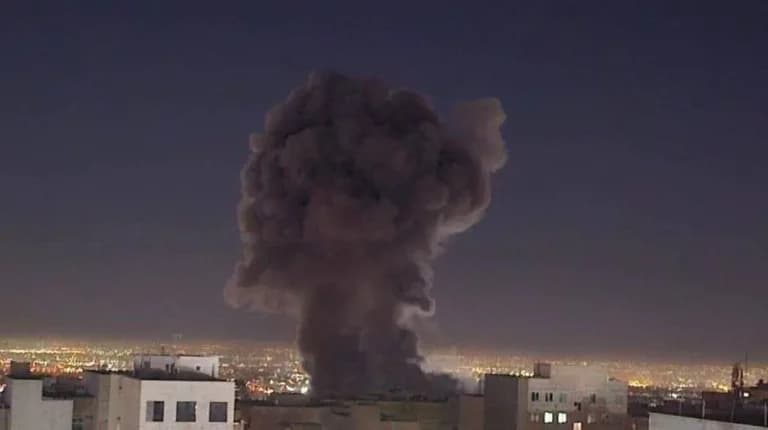
U.S. strikes Iran entered a new phase Tuesday as American forces attacked Revolutionary Guard targets near the Strait of Hormuz. President Donald Trump warned Tehran that any retaliation would bring a much larger response. U.S. Central Command said the strikes followed attempted IRGC attacks against commercial shipping and American service members in the region.
Trump said the operation also targeted Iranian radar systems that Tehran had spent weeks rebuilding. According to the president, American forces monitored the reconstruction and waited until the systems were nearly operational before striking. He also sharply dismissed the prospect of returning to an earlier agreement with Tehran, saying it was not “worth the paper it’s written on.”
Psalm 120:7 declares, “I am for peace; but when I speak, they are for war.” The verse captures the difficult line facing Washington and Jerusalem. Diplomacy has value when it restrains aggression, but negotiations cannot become cover for rebuilding the military systems used to threaten civilians, soldiers, and international shipping.
U.S. Strikes Iran Near Hormuz
CENTCOM said American forces began striking IRGC targets inside Iran at noon Eastern Time. The command directly tied the operation to recent attempts against commercial vessels and U.S. personnel.
Trump said the United States was hitting targets near the Strait of Hormuz following Iran’s attempt to place additional sea mines there. He also cited Iran’s missile attack against American forces in Jordan. Trump warned that another Iranian response would trigger attacks “at a much harder and higher level.”
In a subsequent Fox News interview, Trump went further.
“If they do respond, they’ll be hit much harder,” he said. “If it goes a third time, they’re going to be totally wiped out as a country.”
The president said Iran had tried to restore radar systems destroyed during earlier U.S.-Israeli operations. “We waited until they were almost ready and then we struck them,” he said, according to reports of the interview.
For Israel, preventing Tehran from rebuilding those systems has direct strategic importance. Iranian radar and air-defense networks can limit Israeli and American freedom of operation while helping protect missile sites and other military infrastructure. Their repeated destruction also makes it harder for Tehran to restore the capabilities lost during the war.
Iranian media later reported that Tehran had begun launching missiles and drones in response to the new American strikes. That development immediately tested Trump’s warning against further retaliation.
Trump Turns From Sanctions Back to Force
The renewed attacks show how rapidly Washington’s Iran strategy has shifted between diplomacy, economic warfare, and direct military action.
Iranian President Masoud Pezeshkian said Tuesday that Tehran was prepared to return to the June memorandum if Washington resumed its commitments. Trump rejected that approach, saying the United States had already given Iran many opportunities and that another agreement could not be trusted.
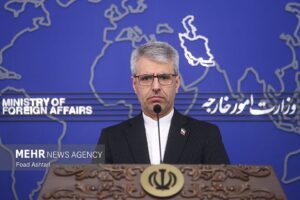
That tension follows the economic confrontation detailed in “Esmaeil Baqaei: EU Enables U.S. ‘Economic Terrorism.’” Iran’s Foreign Ministry spokesman attacked both Washington and Brussels for supporting stronger financial pressure on Tehran. Tuesday’s strikes show the other side of the same American strategy. Sanctions are intended to weaken Iran’s ability to finance aggression, while military force is being used when the IRGC directly threatens ships, American personnel, or strategic waterways.
The Strait of Hormuz remains central to that confrontation. Iran has repeatedly tried to use its geographic position as leverage over global trade. The United States, meanwhile, has made freedom of navigation a clear red line. Israel has a parallel interest in ensuring Tehran cannot convert missiles, mines, drones, and regional geography into permanent tools of coercion.
Trump’s latest warning is deliberately severe. The strategic objective, however, is larger than destroying targets for their own sake. Washington and Jerusalem both need an outcome in which Iran can no longer rebuild the capabilities used to threaten Israel, American forces, and international commerce.
Strength Before Lasting Peace
America and Israel share a covenantal understanding that peace carries responsibilities before God. Both nations have built their national stories around liberty, sovereignty, courage, and the duty to protect human life. Neither tradition treats peace as simple passivity when an enemy continues preparing for war.
That shared principle explains why Iranian radar systems matter. A rebuilt radar station may appear technical, but it can protect missile infrastructure, guide military operations, and restore capabilities that American and Israeli forces sacrificed greatly to dismantle.
The same principle applies to the Strait of Hormuz. A free international waterway cannot remain free if armed forces can mine it whenever political negotiations fail. Deterrence requires consequences strong enough to make aggression more costly than restraint.
America brings unmatched military reach and economic power to that mission. Israel brings decades of intelligence, operational experience, and the understanding that Iran’s threats against the Jewish state are not theoretical. Together, the two allies have demonstrated that Tehran cannot assume destroyed capabilities will simply be rebuilt without consequence.
The harder question now is whether military and economic pressure can produce something durable. Trump has made clear that he no longer trusts another paper agreement by itself. If diplomacy returns, Washington and Jerusalem will want proof that Iran cannot use negotiations merely to pause, rebuild, and prepare for the next round.
For more stories on Israel, faith, and the values behind the headlines, follow Sinai on Facebook and Instagram.
Discussion0
No comments yet — be the first to share your thoughts.