Trump Warns Iran: U.S. May Take Control Of Hormuz
President Trump warned that the United States may take control of the Strait of Hormuz if forced to do so, as pressure on Iran rises

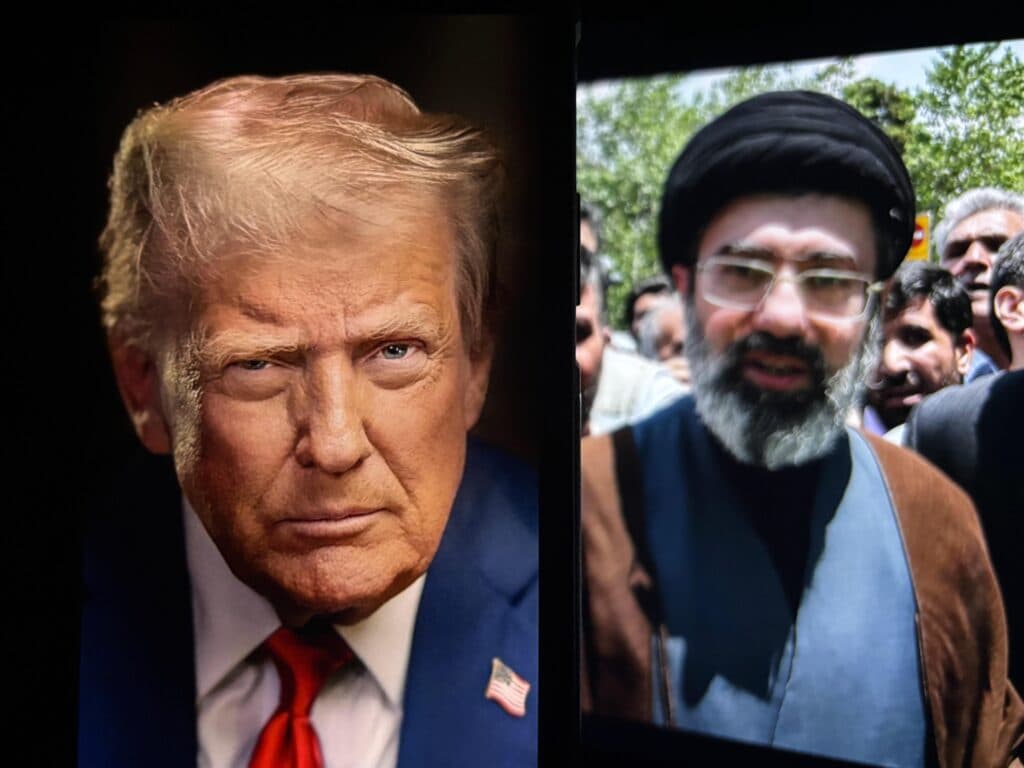
Trump Hormuz warning remarks escalated sharply after President Donald Trump told Fox News that the United States may take control of the Strait of Hormuz if necessary.
“We might take control of the Strait of Hormuz if we are forced to do so,” Trump said. He then issued a harsher threat toward Iran, saying, “I’ll blow them to pieces.”
The comments come as the 60-day window from the U.S.-Iran memorandum of understanding reaches its end. That window gave Iran time to show whether it would change course. Instead, Washington is now preparing stronger economic pressure, while the American naval blockade remains in effect.
The Tanakh tells us, “The Lord is a man of war; the Lord is His name.” The verse does not glorify reckless conflict. It reminds free nations that evil sometimes must meet strength before peace becomes possible. In Hormuz, that question is no longer theoretical.
Trump Hormuz Warning
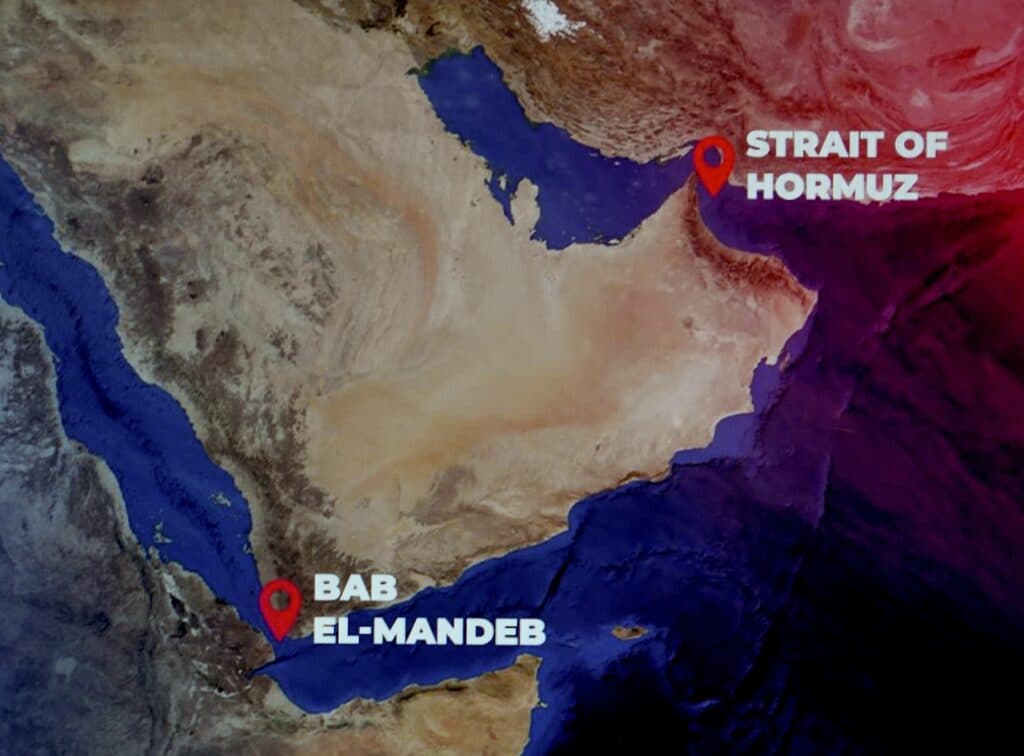
The Strait of Hormuz remains one of the world’s most important maritime corridors. Energy shipments, commercial vessels, and regional deterrence all meet in that narrow passage. When Iran threatens or disrupts the strait, it pressures not only America, but every country that depends on stable shipping and energy flow.
Trump’s warning turns the issue from economic pressure into a direct test of American power. If Iran believes it can use Hormuz as leverage, it will keep treating global commerce as a hostage. If Washington shows that the strait will remain open by force if needed, Tehran loses one of its most dangerous tools.
That matters deeply for Israel. Iran’s maritime pressure does not sit apart from its missile program, nuclear ambitions, or proxy warfare. The same regime that threatens the Strait of Hormuz also funds and arms forces that target Israeli civilians from Gaza, Lebanon, Yemen, Syria, and Iraq.
From MOU Window To Military Pressure

The new remarks follow “Trump’s Iran Window Expires As Sanctions Loom.” That article explained that the 60-day window from Trump’s Iran memorandum is set to expire as Washington prepares new sanctions and keeps blockade pressure on Tehran.
Trump’s Fox News comments now add another layer. The message is no longer only that the window is closing. The message is that American patience has limits, and Iran cannot assume that maritime threats will stay in the realm of speeches and sanctions.
That is the key shift. Tehran may have believed the memorandum bought time, eased pressure, and divided opinion in Israel. Instead, the deadline now arrives with Washington speaking in the language of sanctions, blockade, and possible control of Hormuz.
Covenant Of Open Waters And Resolve
The United States and Israel share a covenantal worldview that treats freedom as a responsibility before God. Both nations, at their best, understand that peace requires strength, commerce requires security, and innocent life must not be left at the mercy of terror regimes.
That shared American-Israeli instinct fits the Strait of Hormuz. America must keep global waterways from becoming tools of extortion. Israel must read Iran’s maritime threats as part of the same war system aimed at its borders, skies, and people.
Trump’s warning is blunt because the stakes are blunt. A regime that threatens oil routes, backs terror proxies, and seeks regional dominance cannot be allowed to dictate the rules of passage.
Hormuz is not only a shipping lane. It is a test of whether Iran can turn geography into blackmail, or whether American power will keep the route open and deny Tehran another weapon.
For more stories on Israel, faith, and the values behind the headlines, follow Sinai on Facebook and Instagram.
Discussion0
No comments yet — be the first to share your thoughts.