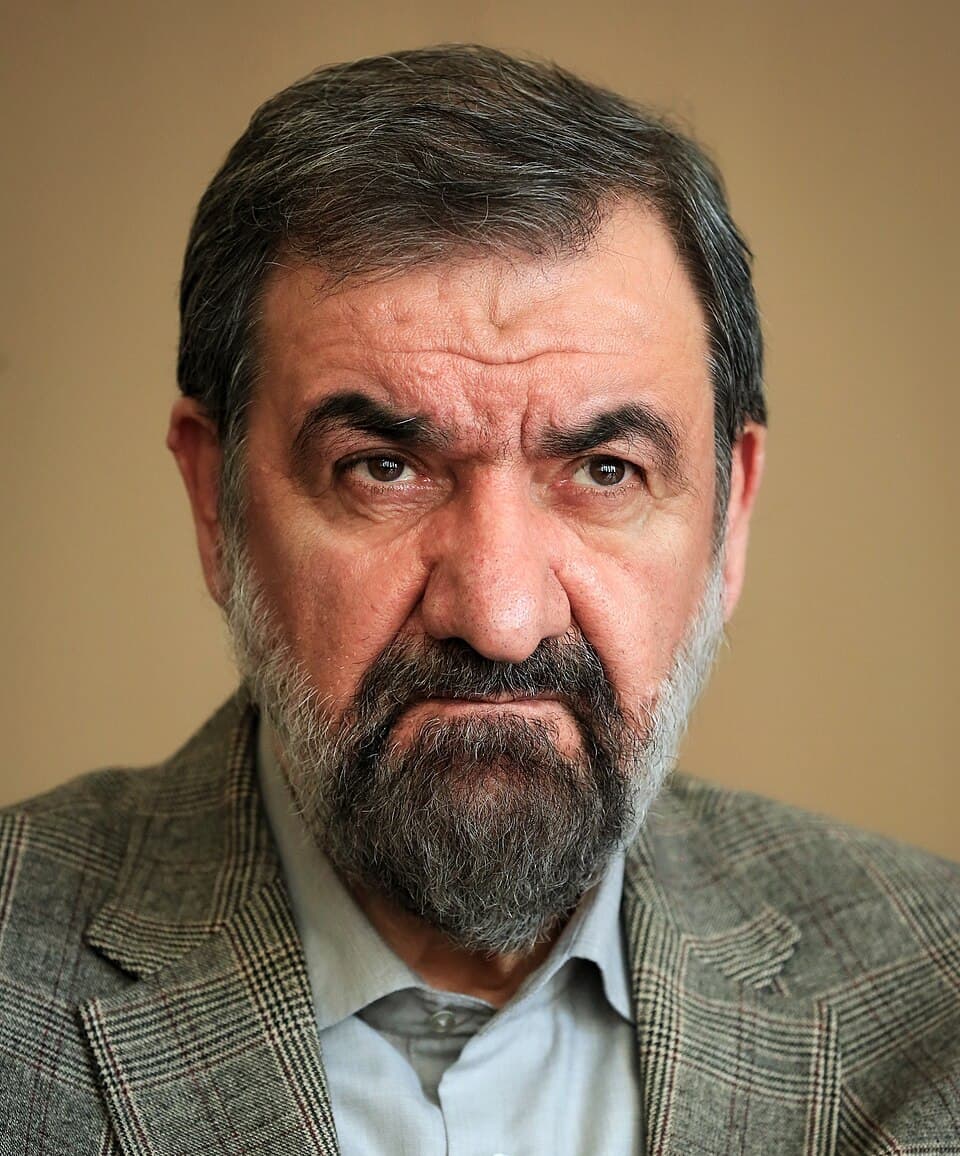
Iran Missile Attack on Jordan: IRGC Claims U.S. Bases Hit
Iran launched a major missile barrage toward U.S. positions in Jordan after American strikes on Iranian oil tankers, with explosions heard near Eilat

A major Iran missile attack on Jordan unfolded overnight as Tehran retaliated for the latest U.S. strikes on Iranian oil tankers. Iranian reports said dozens of ballistic missiles were launched toward Jordan, with U.S.-linked military facilities among the stated targets. Explosions were heard across southern Jordan and from nearby Eilat as air defenses engaged incoming threats. Early claims about individual impacts and damage remained unconfirmed as the attack developed.
The Islamic Revolutionary Guard Corps said its Aerospace Force launched the operation in retaliation for what it called an “unprovoked U.S. attack” on Iranian oil tankers. The IRGC said American military positions in Jordan were targeted with both solid- and liquid-fueled ballistic missiles. It claimed maintenance facilities, aircraft shelters, and hangars associated with U.S. fighter aircraft were struck. Those damage claims had not been independently verified at the time of publication.
The new barrage followed U.S. attacks on multiple Iranian oil tankers on Tuesday. U.S. Central Command said American forces struck five Iranian vessels after further attempted Iranian missile attacks against a U.S. Navy warship. The crews were warned to abandon the vessels before the strikes, according to U.S. officials.
Psalm 127:1 warns, “Unless the Lord guards the city, the watchman stays awake in vain.” In a region where civilians can see missile defenses operating above their homes, the verse gives military vigilance a deeper meaning. Preparedness is essential, but the protection of cities and human life remains the purpose of that strength.
Iran Missile Attack on Jordan Targets U.S. Positions
Iranian reports identified Muwaffaq Salti Air Base near Al-Azraq and Prince Hassan Air Base among the targets. Muwaffaq Salti has become one of the most important hubs for American operations in the kingdom. The United States has access to 12 Jordanian military installations under a 2021 defense agreement, according to the Associated Press.
The IRGC claimed that shelters and maintenance hangars associated with F-35, F-16, and F-15 aircraft suffered heavy damage. Such statements should be treated as Iranian military claims unless confirmed by Washington or Amman. Tehran has repeatedly exaggerated the effectiveness of previous attacks, including claims of American casualties that U.S. officials later denied.
Iranian reporting also put the size of the overnight barrage at roughly 30 to 40 missiles. That number had not yet been confirmed by Jordan’s military. A separate battlefield estimate claimed American forces fired between 110 and 120 PAC-2 and PAC-3 Patriot interceptors. No official U.S. or Jordanian source had confirmed that unusually high figure as of publication.
The scale of the reported defensive response nevertheless reflects the strategic importance of Jordan. Most Iranian missiles and drones aimed at the kingdom during earlier attacks have been intercepted by U.S. or Jordanian defenses. Muwaffaq Salti in particular has developed into a major American logistics and combat aviation hub during the war with Iran.
Eilat Hears the War Across the Border
Aqaba lies directly across the border from Eilat, placing Iranian attacks on southern Jordan within immediate sight and hearing of Israelis. Footage circulated overnight appearing to show missile activity and explosions on the Jordanian side of the border. The exact cause and location of individual flashes could not immediately be independently established.
The geography makes any attack on Aqaba especially sensitive for Israel. Eilat sits only a few kilometers away, while the Gulf of Aqaba provides strategic maritime access to the Red Sea. Iranian missiles aimed at Jordanian or American positions therefore create potential risks from falling debris, failed interceptions, or deviations in flight.
Israel has seen this danger before. Eight days earlier, Jordan said 13 Iranian ballistic missiles entered its airspace during another attack. Jordanian defenses destroyed 10, while three landed in remote areas without causing casualties.
That earlier confrontation was detailed in “Iran Missile Attack on Jordan: 10 of 13 Intercepted.” The latest barrage appears substantially larger based on initial Iranian reporting. It also comes after several additional rounds of U.S.-Iranian confrontation around the Strait of Hormuz.
Jordan has repeatedly insisted that it will defend its sovereignty regardless of which country launches the threat. Foreign Minister Ayman Safadi recently stressed that Jordan did not choose the war and rejected Tehran’s justification for attacking the kingdom. Jordanian leaders have nevertheless maintained their strategic partnership with Washington despite repeated Iranian strikes.
Defending Allies and Preserving Sovereignty
The attack illustrates why Jordan’s security has become increasingly important to both Washington and Jerusalem. American forces use Jordan as a major regional logistics and defense platform. Israel, meanwhile, shares its longest land border with the kingdom and depends on Jordanian stability along its eastern frontier.
Iran’s strategy places pressure on both relationships. By firing ballistic missiles into Jordan, Tehran can threaten American forces while simultaneously placing a neighboring state of Israel under direct military pressure. Even when Israel itself is not the declared target, Iranian missile activity only kilometers from Eilat creates a direct Israeli security concern.
The United States and Israel have distinct covenantal identities, but both place deep value on the defense of sovereign nations and human life. America’s national tradition ties liberty to the responsibility to defend allies and deter attacks on its citizens. Israel’s covenantal mission requires the Jewish state to protect its people and preserve sovereignty in a region where hostile powers have repeatedly threatened its existence.
Those principles meet clearly in Jordan. A stable kingdom between Israel, Iraq, Syria, and Saudi Arabia limits Iran’s ability to expand military influence westward. Strong American air defenses there also help prevent Iranian missiles from turning Jordanian cities into extensions of a battlefield Tehran chose to widen.
The overnight attack also tests American deterrence. Washington has repeatedly warned that attacks on U.S. personnel will carry consequences. The destruction of Iranian oil tankers was itself part of that strategy after Tehran targeted American warships near the Strait of Hormuz.
Tehran is now attempting to demonstrate that economic and military pressure will produce retaliation against American assets throughout the region. Washington must decide whether another major missile attack requires an additional military response. Jordan, meanwhile, faces the immediate burden of defending its population and territory from a conflict it says it did not initiate.
The most important facts from the latest barrage remain under verification. Iranian claims of direct hits, heavy aircraft damage, and the number of missiles launched should not be treated as established until Jordanian or U.S. authorities provide confirmed assessments. What is already clear is that Iran has again chosen Jordan as a battlefield in its confrontation with the United States, bringing the war once more to Israel’s southern doorstep.
For more stories on Israel, faith, and the values behind the headlines, follow Sinai on Facebook and Instagram.
Discussion0
No comments yet — be the first to share your thoughts.