Trump Seeks Congress Approval For Saudi Nuclear Deal
The Trump administration is reportedly preparing to seek congressional approval for a Saudi nuclear deal that raises major oversight, enrichment, and regional security questions

Israel HaBahiyr
·09:27
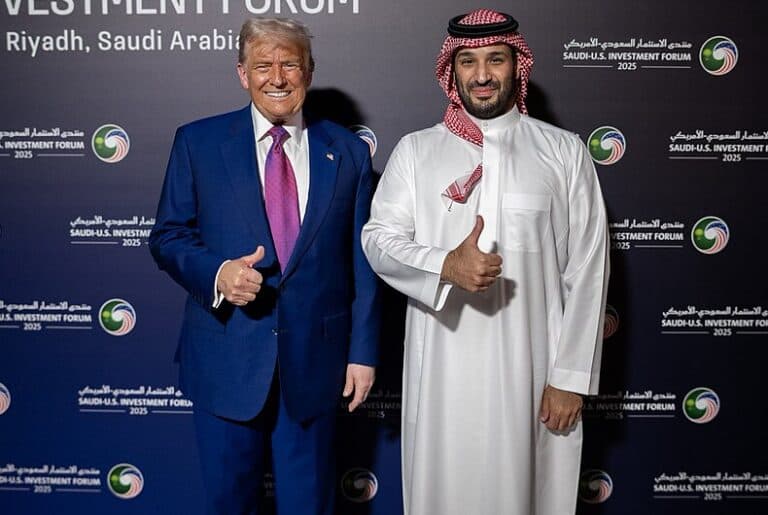
The Saudi nuclear deal now heading toward Congress could carry major consequences for the United States, Israel, and the future balance of power in the Middle East.
According to Reuters, the Trump administration is preparing to submit an agreement to Congress in the coming days that would allow nuclear energy technology-sharing with Saudi Arabia. The agreement would permit American entities to help Saudi Arabia develop a civilian nuclear industry.
However, the reported terms raise serious oversight questions. The agreement does not include the International Atomic Energy Agency’s Additional Protocol, which allows broader and stricter monitoring of nuclear activity. It also does not include the “gold standard,” which prohibits uranium enrichment and the reprocessing of spent nuclear fuel. Congress will reportedly have approximately 90 days to oppose the agreement.
The Tanakh says, “In an abundance of counselors, there is safety.” That verse fits this moment because a nuclear agreement with Saudi Arabia should not move forward on strategic ambition alone. It requires scrutiny, restraint, and sober judgment.
Saudi Nuclear Deal
For Washington, the deal reflects a broader effort to deepen ties with Saudi Arabia and shape the regional order through American technology, influence, and partnership.
A civilian nuclear program could strengthen U.S.-Saudi relations and keep Riyadh closer to Washington rather than rival powers. At the same time, any path that allows uranium enrichment creates a higher strategic burden, especially in a region already threatened by Iran’s nuclear ambitions.
For Israel, the question is not whether Saudi Arabia should modernize. The question is whether the agreement preserves Israel’s security edge and prevents a regional enrichment race. Israel has a clear interest in a stable Saudi Arabia aligned with the United States. However, Jerusalem also has a deep interest in preventing nuclear infrastructure from spreading across the region without the strongest safeguards.
Congress, Israel, And Regional Risk

The deal also comes amid a volatile Saudi security environment. That regional context connects directly to “Houthi Saudi Airspace Warning.” The Houthis warned airlines against Saudi airspace after new strikes and missile fire, raising concerns for U.S. deterrence, Israel, and Red Sea security.
That matters because Saudi Arabia sits at the center of several overlapping fronts: Iran, the Houthis, Red Sea trade, Gulf security, and possible normalization with Israel.
If the United States helps Riyadh build a civilian nuclear industry, Congress will need to examine how the agreement affects all of those fronts. The question is not only energy. It is deterrence, oversight, and the future security map facing Israel and America.
Covenant Of Guarded Power
The United States and Israel share a covenantal understanding before God that treats power as a responsibility, not merely an instrument. That shared covenant appears through a similar moral instinct: technology must serve life, order, and defense, not open the door to future danger. American leadership carries a duty to use strength with wisdom. Israeli sovereignty carries the duty to protect the Jewish people in a region where threats often grow under diplomatic cover.
In this case, the shared interest is clear. America wants influence over Saudi Arabia’s future. Israel wants a regional order that does not reward Iran’s nuclear pressure by normalizing enrichment across the Middle East.
A strong U.S.-Saudi relationship can serve Israeli interests if it restrains Tehran, strengthens regional stability, and supports a future diplomatic framework. However, it must include safeguards strong enough to prevent today’s civilian program from becoming tomorrow’s strategic risk.
Ultimately, Congress now becomes a central arena. The Saudi nuclear deal may offer opportunity, but it also demands hard questions. For America and Israel, the right standard is simple: partnership must strengthen security, not create the next nuclear crisis.
For more stories on Israel, faith, and the values behind the headlines, follow Sinai on Facebook and Instagram.
Discussion0
No comments yet — be the first to share your thoughts.