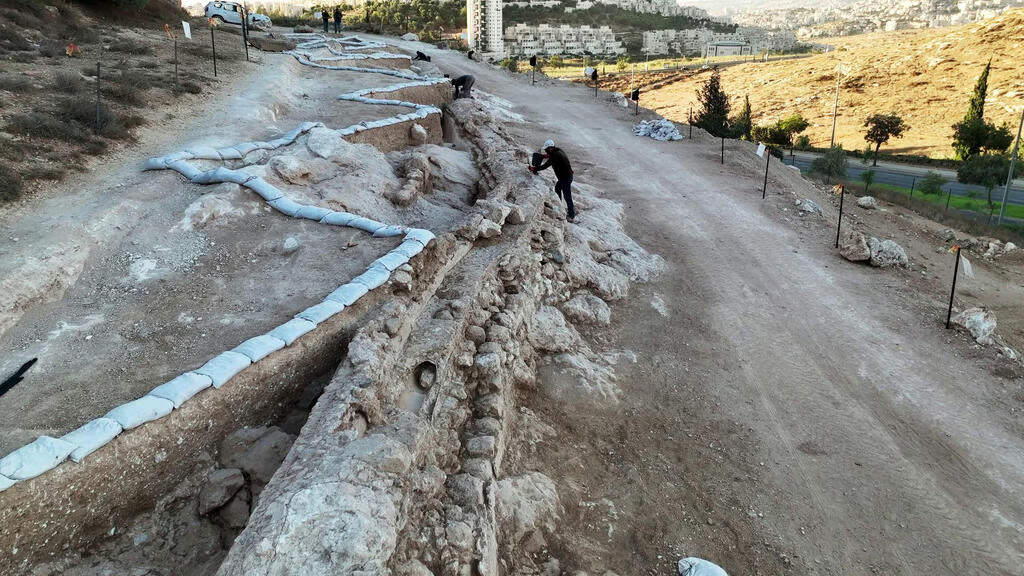
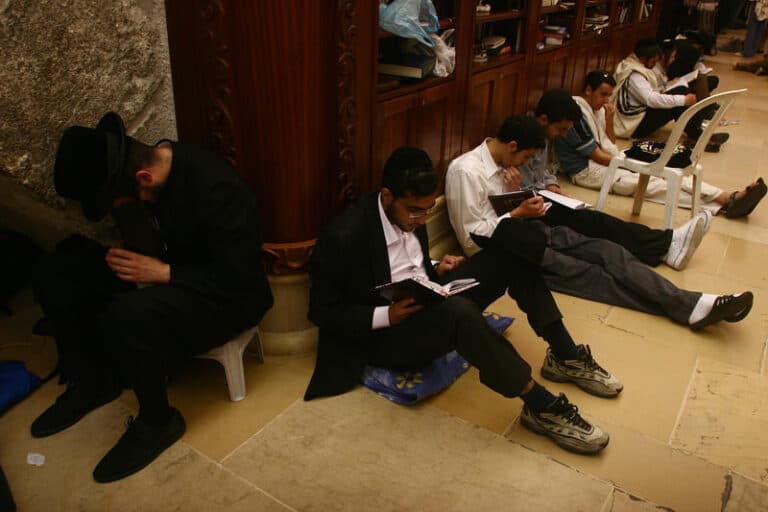

The Jewish holy day of Tisha B’Av, when Jews mourn the destruction of the first and second temple. Traditional Jews gather for the mourning ritual of Tisha B’Av at the Western Wall | Photo: Orel Cohen/Flash90
Takeaways
- Tisha B’Av is a 25 hour fast that mourns the destruction of both Jerusalem Temples.
- The date connects centuries of Jewish tragedy to one single, sacred calendar day.
- Jewish tradition treats this ‘unlucky day’ as proof of divine providence, not coincidence.
- The mourning points toward hope and the coming redemption, not despair.
- Christians who love Israel gain real insight into faith, exile, and Jerusalem itself.
A Day Unlike Any Other on the Jewish Calendar
I remember sitting on the floor of a synagogue one summer night, lights dimmed low, listening to the Book of Lamentations chanted in a mournful melody I’d never heard used for anything else. No one was sitting in a chair. No one had eaten since before sunset. The room felt heavier than any prayer service I’d experienced before, and I didn’t fully understand why until someone explained what the date on the calendar actually meant.
That date was Tisha B’Av, the ninth day of the Hebrew month of Av. On the standard calendar, that month always lands somewhere in July or August, right in the thick of the hottest, stickiest summer weather. The heat outside seemed to match the heaviness inside the room.
Tisha B’Av is the darkest day in the Jewish year, and observant Jews mark it with a full 25 hour fast. No food. No water. Total abstention, from sunset to nightfall the next day.
This is grief layered on grief, stacked across centuries. The First Temple fell on this date. Centuries later, the Second Temple fell on this same date too. Jewish tradition sees that repetition as deeply significant.
Why the Temples Matter So Much
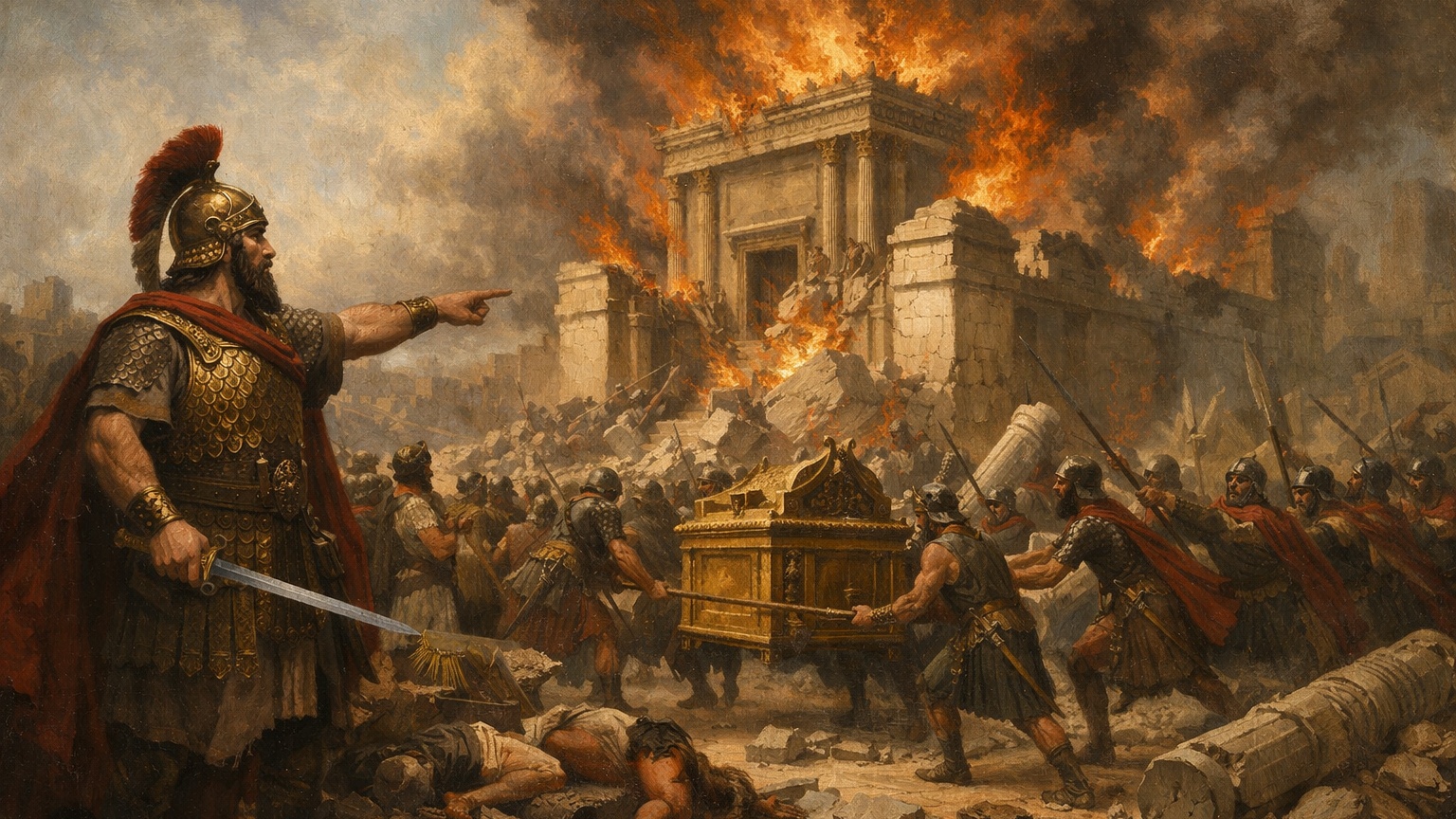
The Temple in Jerusalem stood as the meeting point between heaven and earth, the place where the presence of God dwelled among His people. Losing it meant losing the center of Jewish spiritual life itself.
“Look how the city sits empty now, once so crowded with people. She has become like a widow.” (Lamentations 1:1)
Sacrifices stopped. The priesthood lost its function. Jerusalem itself became a city under foreign control instead of a city crowned by God’s own house.
That loss still shapes Jewish prayer today. In fact, traditional Jews pray facing Jerusalem, asking for the Temple’s return three times a day. Tisha B’Av is where that longing gets its sharpest expression.
“If I forget you, O Jerusalem, let my right hand forget its skill.” (Psalm 137:5)
📖 Ever wondered about what Shivah (mourning period) is to Jews? This article breaks it all down for you.
The Sin of the Spies and the Roots of Exile
Jewish tradition traces the roots of this day back even further, to the story of the spies in the Book of Numbers. Twelve men were sent to scout the land of Israel. Ten came back with a report soaked in fear and distrust, and the people believed them instead of trusting God’s promise.
That generation was condemned to wander in the desert instead of entering the land right away. According to Jewish tradition, this rejection happened on the ninth of Av. One night of doubt became a template for future tragedy.
A Pattern That Feels Impossible to Ignore
Jewish sources point to a striking list of calamities that all land on or near this date. The fall of the fortress city of Betar during the Bar Kochba revolt. The expulsion of Jews from England in 1290. The expulsion of Jews from Spain in 1492.
None of these events happened by random chance, according to traditional Jewish thought. The recurring pattern is read as a sign of divine orchestration, a thread running through Jewish history that ties suffering to a single, marked day.
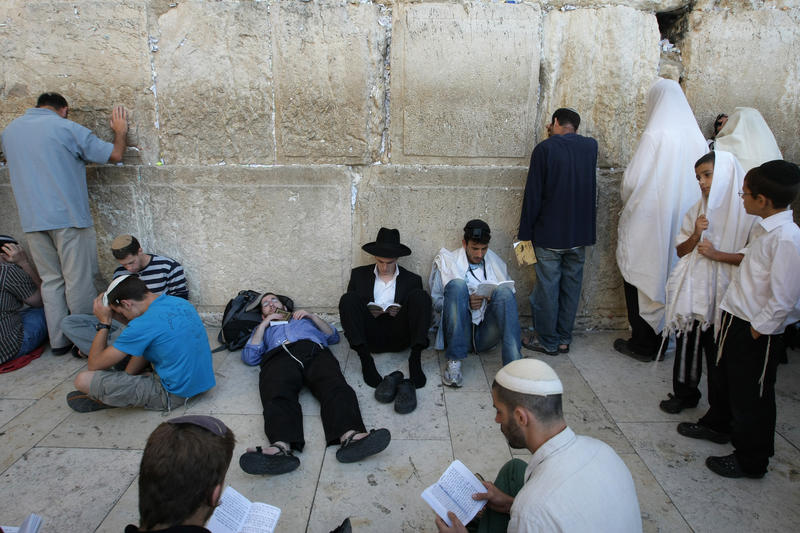
Grief With a Future Attached
Here’s where the story turns. The month of Av carries a second name in Jewish tradition: Menachem Av, meaning “Av the comforter.” Even the saddest month of the year holds a promise of comfort inside its name.
Jewish tradition even links Tisha B’Av to the birth of the Messiah. Destruction and redemption share the same date. The deepest sorrow of the Jewish calendar is understood as the seedbed of ultimate hope.
Why This Matters to Christians Too
Jerusalem and the Temple aren’t side notes in the story Christians care about. They sit at the center of it. Understanding Tisha B’Av gives a real window into how the Jewish people experience faith, loss, and the promise of restoration.
This day also proves something important about Jewish attachment to the land of Israel. That attachment runs on ancient brit (covenant) memory, carried forward through fasting, prayer, and mourning rituals that have lasted thousands of years.
Every tear shed on Tisha B’Av carries a hidden question inside it: when does this end, and what comes after?
Every year now, I sit on that same synagogue floor, lights dimmed low, listening to the same mournful melody rise and fall through the night. The grief never gets old, and neither does the hope tucked inside it. An entire people has carried both grief and hope for thousands of years, refusing to let go of either one.
For Christians who care about Israel and its future, that forward-looking hope is worth understanding deeply.
Want to keep reading? Click here for a fascinating article on what the Jerusalem Holy Temple actually stood for. Explore more on faith, values, and the Land of Israel at Sinai Project
Discussion0
No comments yet — be the first to share your thoughts.