
Judaism holds that there is holiness in each of the Hebrew letters | Photo: ChatGPT
Takeaways
- God is still forming the world right now, letter by letter.
- Every Hebrew letter carries a sound, a picture, and a number.
- The word “alphabet” actually comes from Hebrew, not Greek.
- An ancient text says God built the universe out of these letters.
- The first Hebrew letter hides the same number as God’s own name.
The Letters That Hold the World Together
Look at anything nearby right now. A chair, a window, a cup of coffee. According to Jewish tradition, that object isn’t just sitting there on its own. Something is actively holding it in existence, second by second, the way electricity has to keep flowing for a light bulb to stay lit.
That something, according to Jewish mystical tradition, is a set of Hebrew letters.
Judaism teaches that every object has a Hebrew name made of specific letters, and those letters aren’t just a label attached after the fact. They’re the ongoing channel through which God keeps that object here. Stop the flow for even a moment, the teaching goes, and the object wouldn’t just break or fade. It would vanish completely, the way a bulb goes dark the instant the current cuts.
Why the Word “Alphabet” Is Actually Hebrew
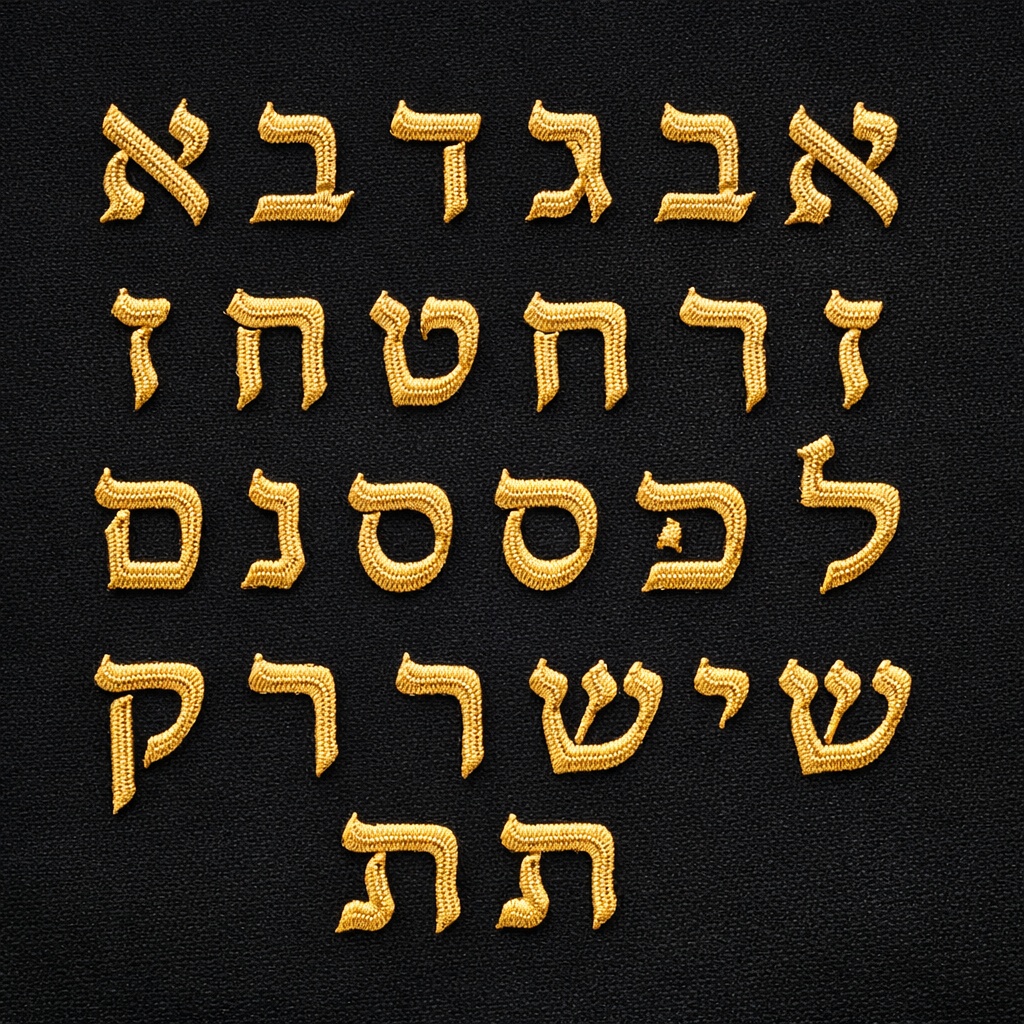
Most people assume the word “alphabet” is Greek. It sounds Greek, and the Greeks did use it first in that exact form. But the Greeks didn’t invent the letters behind it, they borrowed them.
The first two letters of the Hebrew alphabet are Aleph and Bet. Say them together quickly: aleph-bet. That pairing is exactly where the word “alphabet” comes from. The Greeks took the letters, took their names, and simply reshaped the pronunciation to fit Greek. Long before there was a Greek “alpha” or “beta,” there was Aleph and Bet.
A Letter Is a Sound
Hebrew letters carry that kind of weight starting from their most basic level. Take Aleph, the first letter of the alphabet. It makes almost no sound of its own. It’s silent, a placeholder that lets a vowel sound come through clearly around it.
Jewish tradition reads meaning into that silence. The beginning of everything starts with something quiet enough to make room for what comes after it.
A Letter Is a Picture
Long before Hebrew letters looked like the neat block script used today, they were drawn as pictures. Aleph was an ox head, horns and all. Bet, the second letter, was a house, which is also its meaning in Hebrew.
The next two letters carry a picture as well. Gimel looks like a person walking, and tradition connects it to “gomel,” someone who gives kindness. Dalet is linked to “dal,” a poor person. One letter walking toward the next, kindness moving toward need, drawn right into the shape of the alphabet.
A Letter Is a Number
Hebrew never developed a separate set of numerals the way English uses 1, 2, 3. Every letter simply doubles as a number. Aleph is 1, Bet is 2, and so on through all twenty-two letters.
That turns ordinary Hebrew words into hidden math. For example, the Torah points out that the Hebrew word for pregnancy, “heirayon,” adds up to exactly 271 once its letters are turned into numbers. A full-term human pregnancy lasts 271 days from conception. The word for the thing and the number of the thing land on the same figure.
Building a World Out of Letters
An ancient text called Sefer Yetzirah, the Book of Formation, describes exactly how this works on a larger scale. It teaches that God formed the entire universe by combining and recombining the twenty-two Hebrew letters, the way a builder combines separate materials into a finished structure.
This is where the sound, the picture, and the number stop being three separate facts about a letter and start working as one system. A letter’s sound carries its energy, its picture carries its meaning, and its number carries its place in a much larger structure. Jewish tradition treats all three as pointing at the same underlying truth about whatever that letter helps to name.
The Secret Folded Into the First Letter
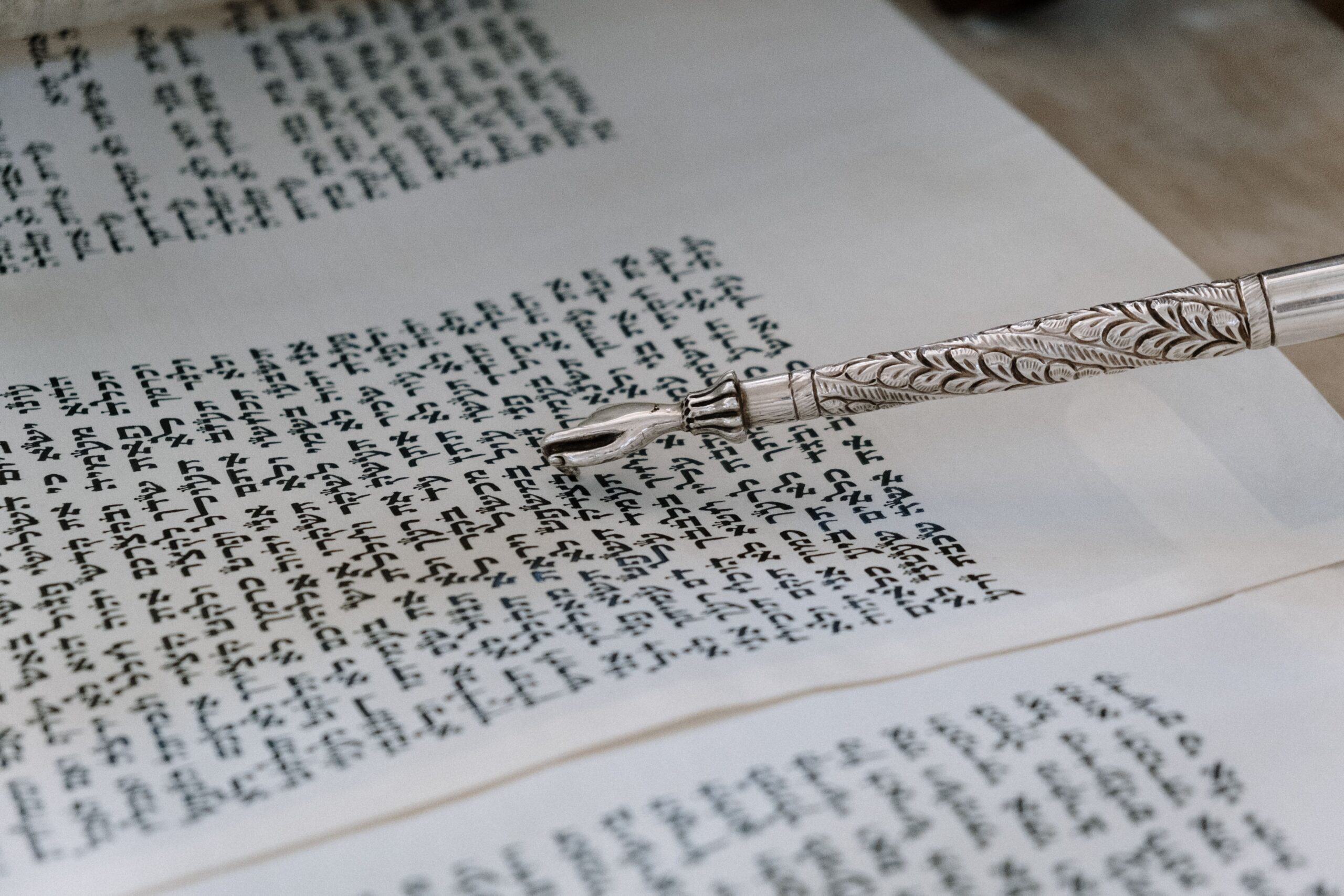
Jewish tradition teaches that Aleph itself is built from three smaller letters: a Yud above, a Yud below, and a diagonal Vav connecting them. A Yud is worth 10, so two of them make 20. A Vav is worth 6.
Add it up: 20 plus 6 is 26. That’s the exact same number produced by spelling out the four Hebrew letters in God’s holiest name, the Tetragrammaton. The single letter that opens the entire alphabet is quietly built from the same numbers as the name of God.
So that cup of coffee, that chair, that window nearby. Jewish tradition says the Hebrew letters spelling their names are doing more than describing them. They’re holding them here, the way a current holds a light on, and somewhere inside that quiet, ongoing work sits a number that leads straight back to the name of God.
Discussion0
No comments yet — be the first to share your thoughts.