Shacharit, Mincha, Maariv: The Daily Prayer Schedule Jews Never Skip (And You’ve Probably Never Heard Of)

Magazine
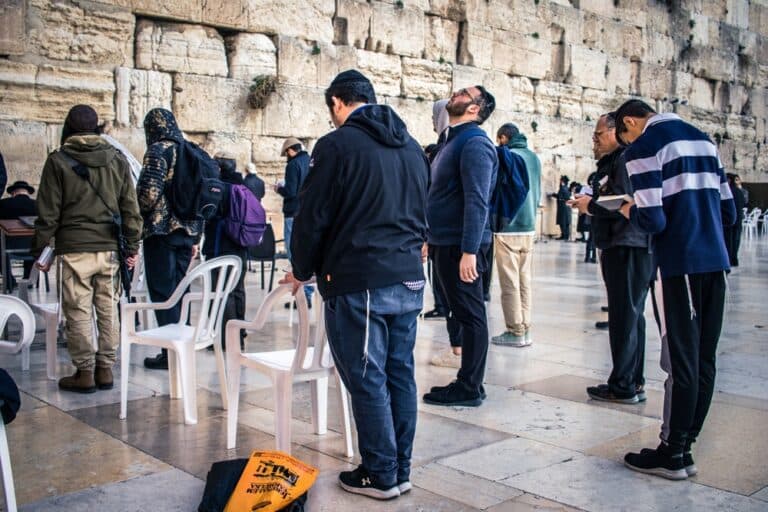
Jews from all around the world gather for prayer service at the Western Wall, Jerusalem, 2023 | Photo: Shutterstock
Takeaways
- Observant Jews pray three times a day, every day, not just on holidays.
- Shacharit, Mincha, and Maariv split the day into morning, afternoon, and evening worship.
- A full communal prayer needs ten men. That’s called a minyan.
- The Shema and the Amidah are the heartbeat of every service.
- Prayers come from a fixed book, the siddur. But spontaneous prayer from the heart is encouraged.
I found out by accident that observant Jews pray three times a day. A friend postponed lunch plans because he had to “duck into Mincha first.” I had no idea what that meant. Turns out it’s the middle prayer of the day, and it explained why he kept checking the clock all morning.
That conversation sent me down a rabbit hole, and what I found is honestly kind of beautiful. It’s not a vague spiritual vibe. It’s a schedule. A real one, with names, structure, and rules that have barely changed in two thousand years.
What is Jewish Prayer?
Jewish prayer isn’t just words, it’s a way to change yourself from the inside. It’s also a way to bring the soul back to God, and through that devotion, lift the whole world a little higher.
Done right, it uncovers God’s presence hiding in plain sight, inside the most ordinary moments. That’s why prayer leans so heavily on inward focus, joy, and fervor. Getting the words right matters, but there’s so much more to it.
Does God hear everyone’s prayers? According to Jewish tradition, yes. No one gets to write themselves off as too small to matter. Every action, every word, even every thought carries weight. They rise. They reach the Heavens. God’s good in this world is shaped, in part, by what we do down here.
Why Three Prayers, Not One?
The logic is simple once you see it. Morning, afternoon, and evening cover the whole day, so there’s no gap where life just runs on autopilot.
Shacharit (morning prayers) starts things off, Mincha (afternoon prayers) interrupts the workday, and Maariv (evening prayers) closes the loop before bed.
Nobody’s winging it based on mood. The day belongs to God in three scheduled check-ins, and that’s the whole point.
📖Read this article about Mike Huckabee beginning his jobpost in Jerusalem with prayer at the Western Wall.
Shacharit: The Heavy Lifter
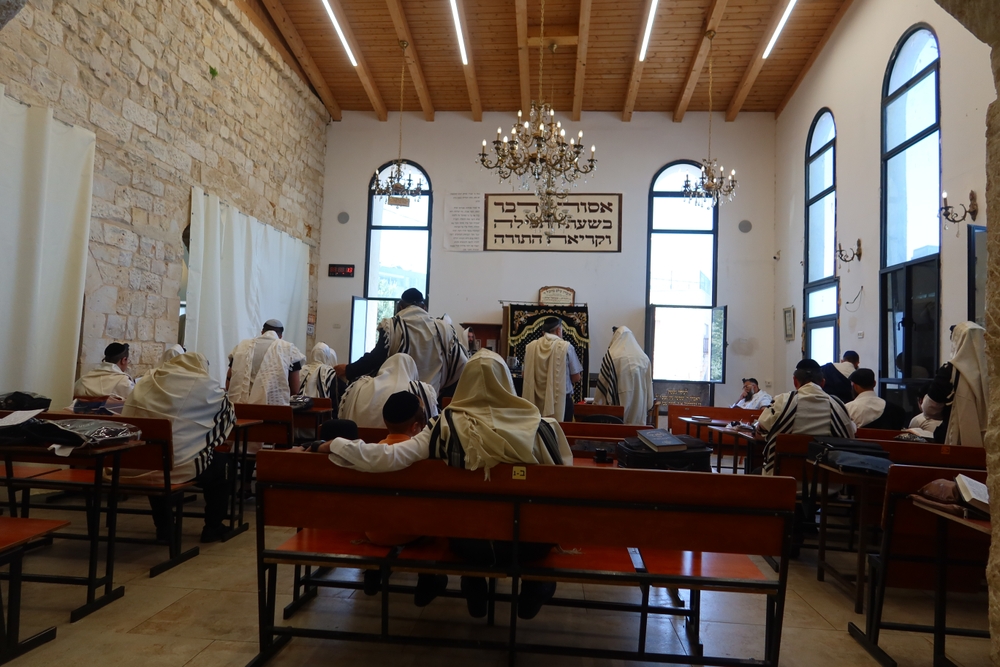
Shacharit is the long one. It happens before work, before errands, before the inbox takes over, and it covers the most ground of the three services.
Think of it as the main meal, with Mincha and Maariv as the lighter courses that follow.
Mincha: The Prayer That Hijacks Your Lunch Break
Mincha is short, which is the whole appeal. It lands in the middle of the day, right when you’re knee-deep in deadlines or business through a second cup of coffee, and it forces a pause (which is actually the genius of it).
Maariv: Closing Up Shop
Maariv wraps the day with reflection instead of a to-do list. After Shacharit opens things and Mincha breaks them up, Maariv is the bookend, the moment where the day gets handed back.
What’s Actually Happening in the Room
Step into a synagogue during any of these and you’ll notice it’s organized, almost choreographed. Full communal prayer requires a minyan, ten Jewish males (over age 13).
Inside the service you’ll hear the Shema (a declaration of God’s oneness), and the Amidah (the standing prayer) packed with praise, requests, and thanks.
The order isn’t random. You acknowledge God first, then bring your own needs, then thank. That sequence says a lot about priorities.
Is Jewish Prayer Fixed or Improvised?
Here’s the detail that surprised me most. The words are fixed. .Everyone prays from a siddur, a prayer book passed down through generations, rather than making something up in the moment because Jewish tradition doesn’t leave prayer up to feeling.
There’s a set structure, set times, set words. That’s called keva, and it’s meant to give you something to lean on. But words alone aren’t enough. You’re still expected to bring real intent and focus to them, what’s known as kavanah. This personal devotion is what makes it count.
Personal prayers (improvised words totally from the heart) are of course encouraged in certain paragraphs within the Amida. Some even say personal prayers spontaneously under their breath the whole day, or in times of need, without the formality of an Amida or prayer service.
The Unglamorous Genius of Showing Up
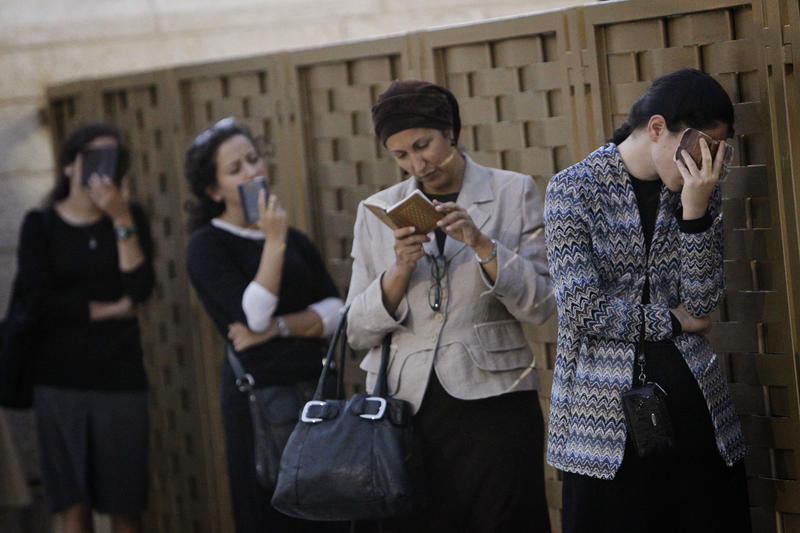
What strikes me most is how unglamorous this whole system is. There’s no dramatic mountaintop moment here, just three appointments a day, kept rain or shine, busy or not.
That kind of consistency is rare, and honestly, a little impressive.
Want to keep reading? Read here about prayer notes from around the world placed in the Western Wall. Explore more on faith, values, and the Land of Israel at Sinai Project.
Discussion0
No comments yet — be the first to share your thoughts.