Secrets of the Jewish Calendar Part 1: Rosh Hashanah, the Jewish New Year

Rabbi Avi Baumol
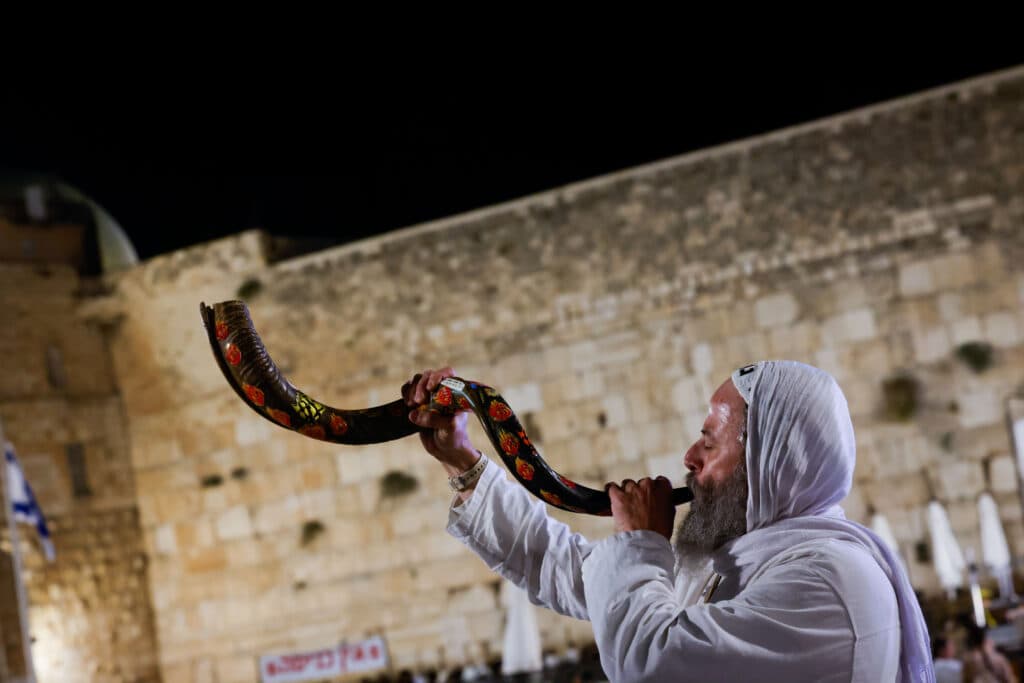
A Jewish man blows a shofar horn as Jews arrive for a forgivness prayer (Slichot), at the Western Wall. | Photo: Chaim Goldberg/Flash90
Rabbi Jonathan Sacks (of blessed memory), the former chief rabbi of the British commonwealth, left a legacy as a scholar, leader, and advocate for faith and ethics on both a Jewish and global stage. His insights can be valuable for all who seek to understand God’s workings in time. He shared the following quote about the importance of the Jewish calendar: “Some of Judaism’s most profound truths are to be found, not in texts but in time, in the Jewish calendar itself.”
A nation must have ‘time consciousness’ in order to be free
For those who believe in the God of Abraham, Isaac, and Jacob, this idea resonates with the concept of divine appointments and how the Lord works through seasons and appointed times. The first commandment given to the nation of Israel, despite the fact they were still slaves in Egypt at the time, was the institution of the Jewish calendar. A nation must have ‘time consciousness’ in order to be free; a slave has no concept of time.
This principle aligns with the biblical understanding of freedom and being intentional with our time. While in Egypt, moments before redemption, God commands Israel to affix a calendar, set up months, determine the new year, and unite the nation through the newly established calendar.
Until that point humanity celebrated the new year according to the tradition that the world was created in the fall, but due to the significance of the Exodus from Egypt, God commanded that the first of Nissan (in the spring) would be considered the Jewish new year. This shift highlights how God’s redemptive acts can redefine how we mark time.
In reality, the Mishna (the Oral Law which written down in the third century in Israel by Rabbi Judah the Prince), states that both days are accepted and considered ‘new years’ for different aspects in Judaism, though the first day of Tishrei is considered in the Jewish world as the beginning of the Hebrew new year, the holiday is called Rosh Hashanah (Head of the year).
Rosh Hashanah
This holiday is considered so holy that it is included in the Jewish ‘days of awe’ (referring to Rosh Hashanah and Yom Kippur); yet, at the same time, it is also a day of joy. We both pray fervently for many hours in the synagogue, and celebrate with wonderful feasts in our homes. What is it about this festival that gives it a ‘split personality’ of both solemnity and festivity?
This duality reminds us that our relationship with God encompasses both reverence and joyful celebration. God chose Israel to teach the world about morality, about kindness, and about holiness and commitment. This is borne out in the personality of Abraham and Sarah and their descendants, the children of Israel at Sinai. If they truly fulfill their mission in the course of the year Rosh Hashanah becomes a day to celebrate the new year with joy and contentment; if however, Israel falls short, if instead of glorifying God they cause a desecration of God’s name—then Rosh Hashanah is a very scary day!
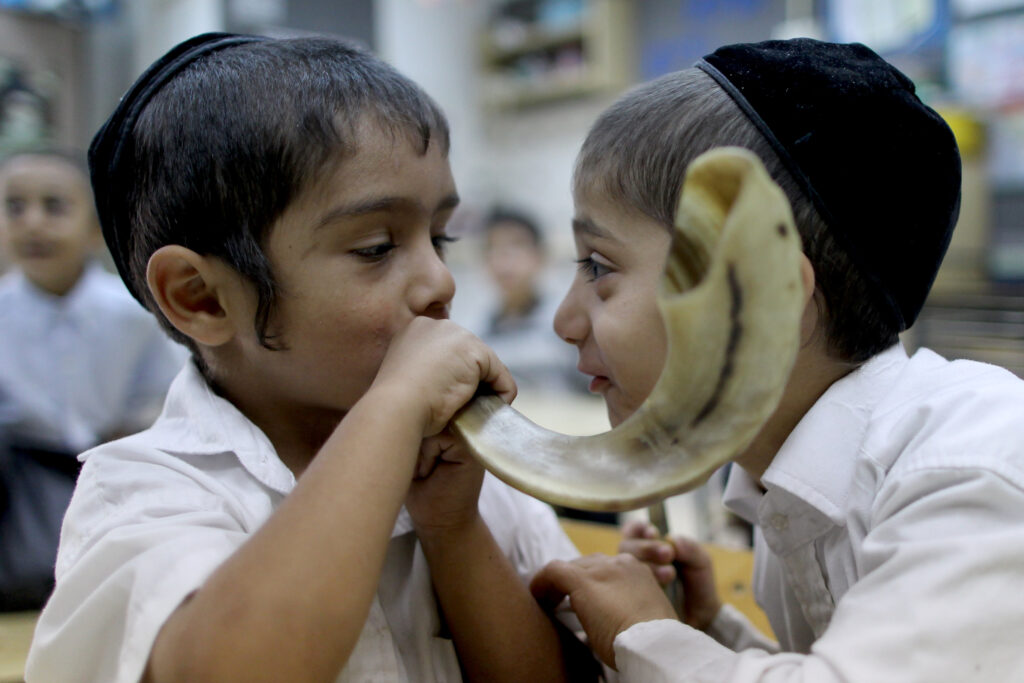
This concept speaks to the responsibility of all those who believe in God to represent Him faithfully in the world. For this reason, Jews spend a lot of time in the Synagogue, praying to God, pleading with Him for a healthy and happy new year, but also acknowledging that they can do more to promote God’s presence in the world, sanctifying His name. The shofar (ram’s horn) is sounded as a reminder of the special bond between God and His nation but also the sounds of the wailing shofar are a clarion call to repent to God and represent Him more aptly to the world at large.
These practices highlight the importance of prayer, repentance, and spiritual renewal in our walk with God. Rosh Hashanah is a day of mixed emotions, asking us to rejoice and repent; enjoy and entreat; commune with God, and connect with family and friends. Sounds like a perfect combination!

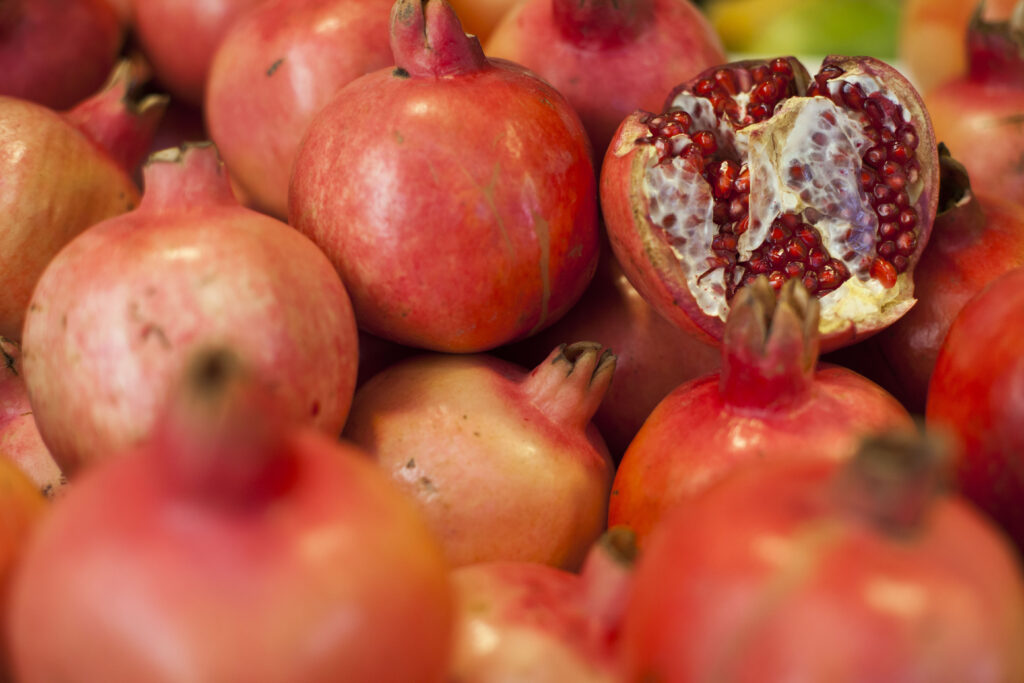
In addition to the special commandment of the sounding of the shofar (ram’s horn) in the synagogue, there are many customs relating to eating symbolic food in hope for a happy and healthy year. The most famous food is the apple and honey combining sweetness and health. These traditions serve as tangible reminders of God’s goodness and the importance of community in faith. Rosh Hashanah is not only a holiday for the Jewish people, but for all of mankind.

The second Mishnah explains the universal nature of this day: On Rosh Hashanah: All creatures pass before God like sheep, as it is written in Psalms 33:15, “He Who fashions their hearts alike, Who considers all their deeds.”This concept of universal judgment resonates with the biblical teaching about God’s sovereignty and ultimate judgment of all creation.

Rabbi Avi Baumol grew up in New York and has a B.A. in Economics and an M.A. in Medieval Jewish History from Yeshiva University. He has been an educator, author, tour guide and lecturer for over three decades and currently lives in Judea with his wife and children.
Discussion0
No comments yet — be the first to share your thoughts.