Israel-Turkey Tensions Spread Across Syria and Mediterranean
Official developments show Israel-Turkey tensions widening through Syria and the Eastern Mediterranean as both countries deepen regional security ties


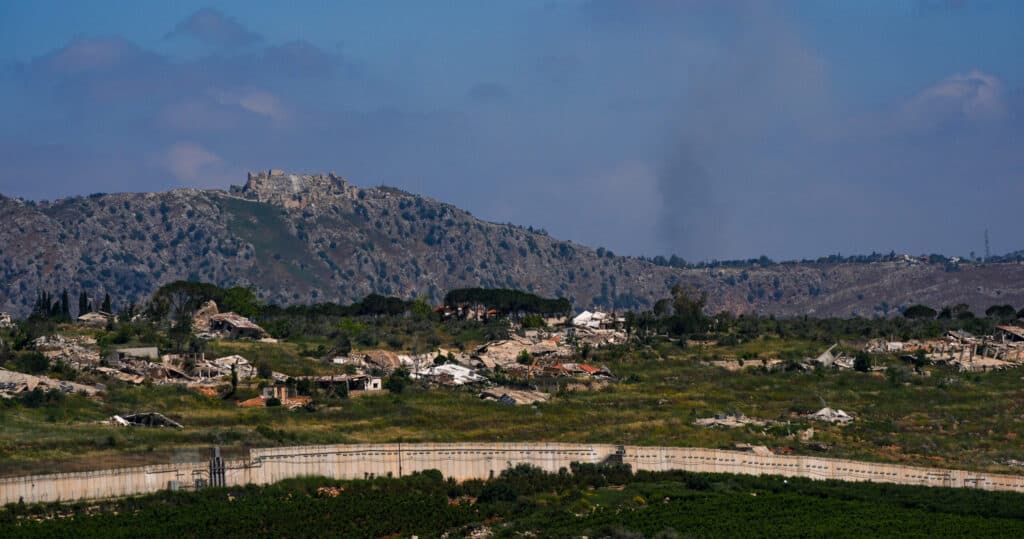
Israel-Turkey tensions are increasingly extending beyond diplomatic rhetoric into military positioning, regional alliances, and strategic geography. Official statements from Israel, Turkey, Greece, and the United States show the two countries pursuing increasingly different interests. Syria and the Eastern Mediterranean have become central to that competition. The confirmed developments do not show that direct war is inevitable, but they do point to a widening strategic rivalry.
Turkey’s Foreign Ministry confirmed that Israel struck the Abu al-Duhur military airbase in Syria’s Idlib province on August 18. Ankara condemned the attack and accused Israel of violating Syrian territorial integrity. However, Turkey’s official statement did not address reports about a proposed radar deployment at the base. That claim should therefore remain separate from the verified record.
Proverbs 22:3 says, “A prudent man sees danger and hides himself.” For Israel, prudence means identifying military changes before they become strategic surprises. Syria sits directly on Israel’s northern approaches. The Eastern Mediterranean also contains vital shipping routes, energy infrastructure, and security partnerships.
Israel-Turkey Tensions Deepen in Syria
Turkey’s military role inside Syria is no longer theoretical. The Turkish Ministry of National Defense said Turkish and Syrian forces completed another floating bridge across the Euphrates on August 30. Ankara described the project as part of wider efforts to strengthen Syrian stability and military capacity. It also highlighted growing cooperation between the Turkish and Syrian armed forces.
That cooperation matters to Israel because Turkey is helping shape Syria’s emerging security structure. A U.S. Defense Department report this year noted expanded Turkish support and training for Syrian government forces. It also described Israel and Turkey as the region’s two most powerful militaries. Their interests inside Syria are increasingly difficult to separate.
Washington has a strong interest in preventing those competing agendas from producing an accidental confrontation. The Defense Department has also documented U.S.-backed deconfliction efforts involving Israel and Syria. American diplomacy therefore becomes more important as Turkey expands its presence. Israel, meanwhile, is determined to prevent Syria from becoming a platform for new threats on its border.
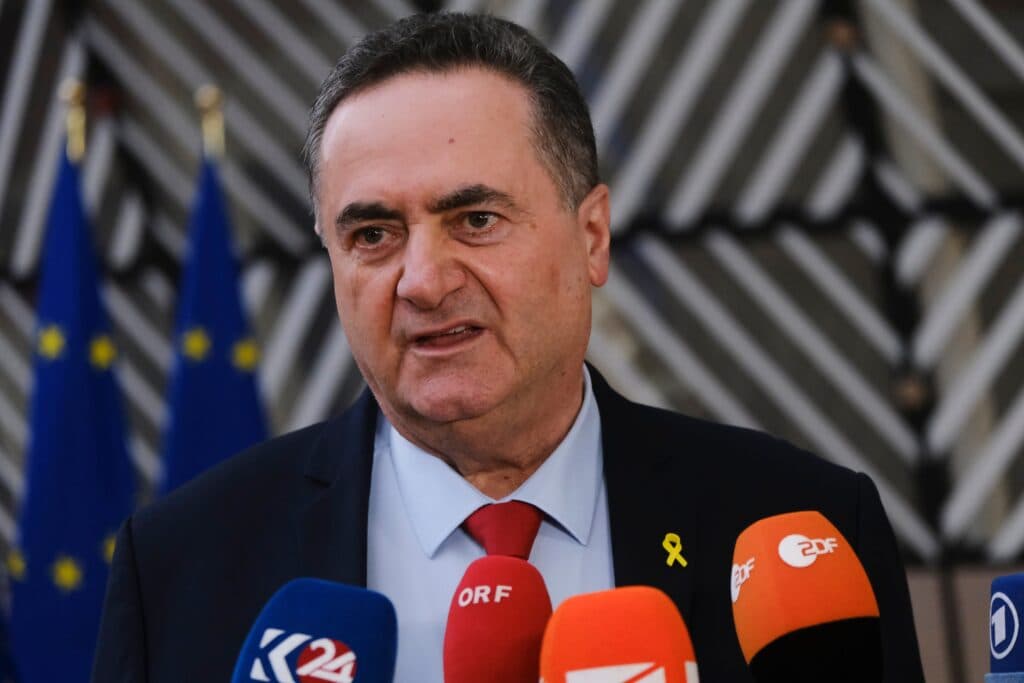
The developments give sharper context to “Katz Erdogan Warning: Do Not Test Israel’s Resolve.” Defense Minister Israel Katz warned Turkish President Recep Tayyip Erdogan against testing Israel as tensions grew over Syria. That warning now appears tied to a broader strategic concern. Israeli and Turkish security interests are increasingly operating in the same geographic space.
The Eastern Mediterranean Becomes More Important
The competition also extends into the Eastern Mediterranean. On August 31, Israel and Greece signed an agreement worth about €3 billion for the “Achilles Shield” air defense network. Israel will provide systems including David’s Sling, SPYDER, BARAK MX, radars, and integrated command infrastructure. Israel’s Defense Ministry described Greece as a “key strategic partner in the Eastern Mediterranean.”
Katz said the two countries share strategic interests and regional challenges. He also said Israel and Greece would deepen cooperation against actors seeking greater regional influence. The agreement became the largest defense export deal ever signed between the two countries. It also strengthens an increasingly important security axis in the Mediterranean.
That region matters economically as well. Israel’s natural gas fields have become important national assets and significant sources of state revenue. Leviathan also plays a role in Israel’s export relationships with neighboring countries. Protecting offshore infrastructure and maritime access is therefore a national security concern, not only a commercial one.
Official sources do not establish that Turkey is preparing to attack Leviathan or other Israeli energy sites. That distinction is important. Israel has legitimate reasons to monitor Turkish military activity without overstating what the available evidence proves. Strategic vigilance is strongest when it rests on verified developments.
Israel’s growing ties with Somaliland add another maritime dimension. President Isaac Herzog has described maritime freedom as an area of shared Israeli-Somaliland interest. Israel has also recognized Somaliland and developed the relationship as a strategic partnership. Those ties extend Israel’s regional outlook toward the Red Sea and Horn of Africa.
Facts Matter More Than Speculation
The verified record already shows a changing regional map. Turkey has condemned Israeli military action in Syria and expanded cooperation with Syrian forces. Israel, meanwhile, is deepening defense ties with Greece and strengthening partnerships around nearby maritime routes. Those facts are significant without adding unproven covert-operation theories.

Claims linking Israel to the seizure of a Somalia-bound vessel remain unverified. The same applies to attacks on Turkish ships in the Black Sea and the ferry disaster near Northern Cyprus. No official evidence cited for this article establishes Israeli responsibility in those cases. They should not be presented as proof of an Israeli intelligence campaign against Turkey.
That distinction strengthens Israel’s case rather than weakening it. Jerusalem does not need speculation to justify concern about Turkey’s regional military expansion. Ankara itself confirms deeper cooperation inside Syria. Israel openly confirms its own expanding defense partnerships.
The United States has a major interest in preventing these competing moves from becoming an open confrontation. Turkey remains a NATO ally, while Israel is one of America’s closest regional partners. Washington benefits from clear deconfliction and credible deterrence. It also benefits from preventing Syria from becoming another source of instability.
Deterrence, Alliances, and Shared Responsibility
America and Israel have distinct covenantal histories before God, but they share important principles. Both place value on sovereignty, national defense, ordered liberty, and protection of civilian life. Both also understand that strength is most useful when it prevents aggression. That makes strategic preparation essential.
Israel’s responsibility is especially immediate. Jewish sovereignty carries the obligation to identify developing threats before they reach Israeli communities. That requires intelligence, alliances, technological superiority, and clear military red lines. It also requires resisting pressure to ignore dangerous shifts simply because confrontation would be politically uncomfortable.
America brings a different form of strength. Its diplomatic reach and alliance network give Washington leverage that few countries possess. That influence can help keep Israel and Turkey from drifting into direct conflict. It can also support regional arrangements that limit instability while protecting Israel’s security.
The strategic map around Israel is changing. Turkey is deepening its military relationship with Syria, while Israel is strengthening Greece’s defenses and expanding regional partnerships. Maritime security is also becoming more important from the Mediterranean to the Horn of Africa. Israel’s strongest response is not speculation or panic, but vigilance, alliances, military superiority, and clear red lines.
For more stories on Israel, faith, and the values behind the headlines, follow Sinai on Facebook and Instagram.
Discussion0
No comments yet — be the first to share your thoughts.