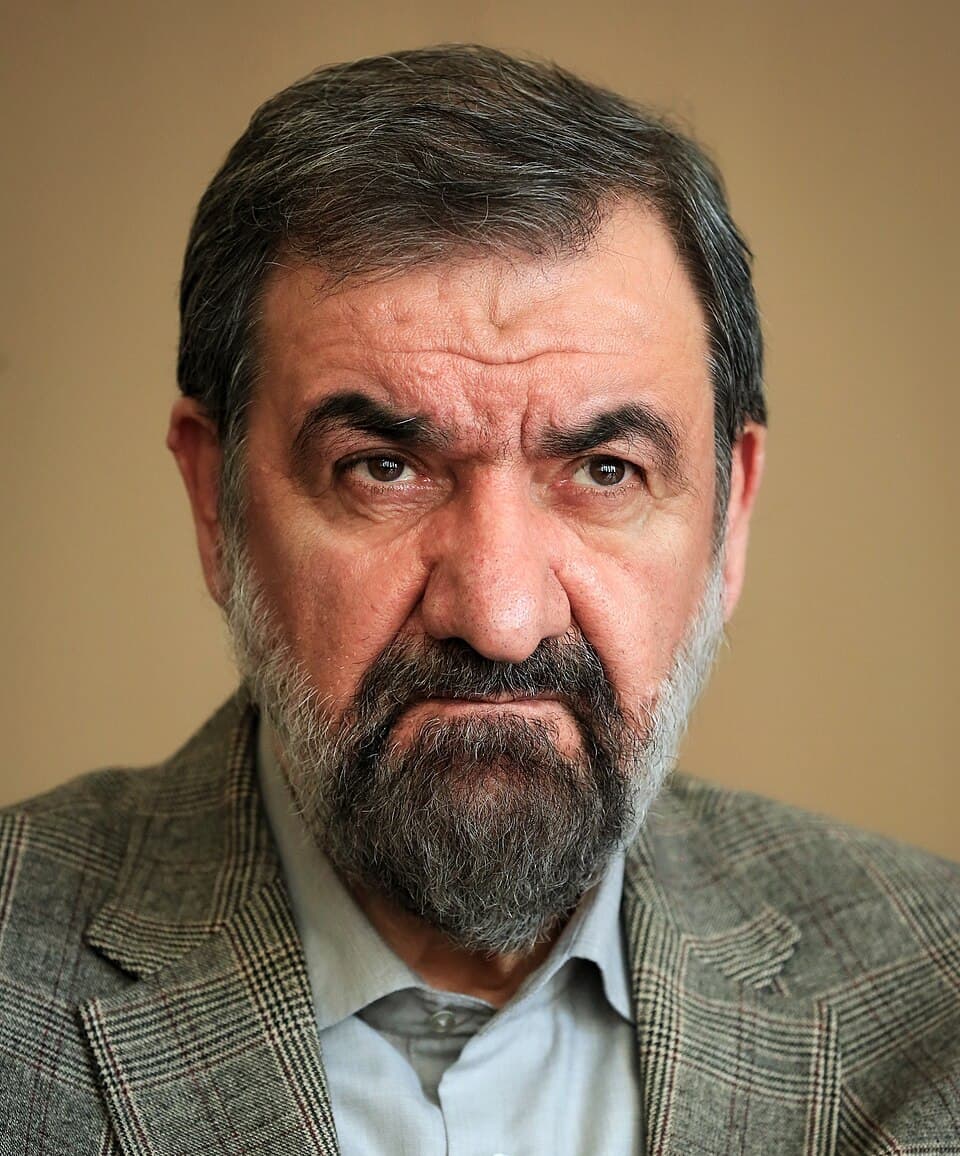
Jared Kushner Gaza Plan Hinges on Disarmament
Jared Kushner says Gaza’s new technocratic administration cannot take control until the Strip is disarmed, warning that its militarization is immense


The Jared Kushner Gaza plan cannot move forward without disarmament, the Trump adviser said as Washington works to establish a new governing structure for the Strip. Kushner said the new Palestinian technocratic administration is neither Hamas nor the Palestinian Authority. However, he argued that it cannot effectively enter and govern Gaza while armed groups retain weapons and extensive military infrastructure.
“We are beginning to understand the extent of the militarization of Gaza,” Kushner said. “It is beyond what you can imagine.” He acknowledged that disarming the Strip “will not be simple,” even as the United States pushes ahead with plans for governance, humanitarian relief, and eventual reconstruction.
The principle recalls Isaiah 2:4, which looks toward a future when nations “shall beat their swords into plowshares.” Gaza presents the inverse challenge first: weapons, tunnels, explosives, and armed factions must stop defining civilian life before reconstruction can take root. Peace cannot rest securely on top of an intact terrorist military structure.
Jared Kushner Gaza Plan Starts With Demilitarization
The Trump administration has created the National Committee for the Administration of Gaza, or NCAG, as a Palestinian technocratic body intended to handle civilian governance. The White House says the committee operates separately from Hamas and under the broader oversight structure established by President Donald Trump’s Board of Peace. An American-led International Stabilization Force is also intended to support security and comprehensive demilitarization.
Yet the political structure exists largely on paper until the security problem can be resolved. Reuters reported in August that Trump’s Gaza roadmap links Hamas disarmament with phased Israeli withdrawals and the transfer of authority to the technocratic administration. Israel has insisted that meaningful reconstruction and withdrawal cannot precede verified demilitarization, while negotiations continue over the sequence and implementation.
Kushner’s assessment of Gaza’s militarization helps explain that Israeli caution. Years of Hamas rule produced not only armed battalions and rocket stockpiles, but also an extensive underground network designed to sustain prolonged warfare. The scale of that infrastructure means disarmament involves far more than collecting visible rifles from individual fighters.
Recent Israeli operations also show why Jerusalem remains concerned about Hamas rebuilding beyond Gaza. In “Hamas Cell in Aqaba Thwarted, Rocket Found,” Israeli forces arrested ten Hamas operatives and uncovered a rocket, an M16 rifle, and explosives in the northern West Bank. The Aqaba case is separate from Gaza’s governance process, but it underscores the wider security challenge: removing Hamas from civil government does not automatically eliminate its ability to organize armed networks.
Aid Has Improved Conditions, but the Picture Is Complex
Kushner also emphasized the scale of humanitarian assistance entering Gaza. He said enormous quantities of aid have been delivered and claimed that Gaza’s malnutrition rate is now among the lowest in the world. The latest independent data does support a major improvement in acute child malnutrition, although it does not establish the broad worldwide ranking Kushner described.

UNICEF reported in August that acute malnutrition among children under five was low in the accessible population surveyed in Gaza. However, the same study found that 12.2% of children suffered from chronic malnutrition, or stunting. It also warned about maternal malnutrition, poor dietary quality, childhood illness, and inadequate feeding practices. UNICEF specifically cautioned that the survey was not designed to provide a nationally representative statistic for international comparison.
The broader food-security picture has also improved substantially since the 2025 ceasefire, but serious needs remain. The IPC reported in July that large-scale humanitarian assistance had significantly reduced acute malnutrition. At the same time, more than 1.2 million people still faced Crisis-level or worse food insecurity during the spring assessment period.
That distinction matters. Evidence that aid has dramatically improved conditions challenges claims that no meaningful relief is reaching Gaza. It does not mean the humanitarian crisis has disappeared. A durable recovery will require stable food access, functioning infrastructure, employment, health services, and a governing authority capable of maintaining order without Hamas controlling weapons.
Rebuilding Gaza Without Rebuilding Hamas
Kushner says Washington already has a reconstruction plan, while warning that rebuilding will take time. The administration has proposed phased redevelopment beginning in southern Gaza, alongside new housing, infrastructure, commercial development, and public services. Kushner has repeatedly argued that investment cannot succeed without security because businesses and governments will not finance reconstruction under the threat of renewed war.
That approach aligns with a central Israeli demand after years of conflict: reconstruction cannot simply restore the conditions that allowed Hamas to arm itself again. Cement, money, fuel, and infrastructure intended for civilians must build homes, utilities, schools, and businesses rather than another underground military network. The challenge is creating a system that improves Palestinian civilian life while preventing Hamas or another armed faction from rebuilding the machinery of war.
The United States and Israel approach Gaza from different national responsibilities, but their covenantal traditions meet around several principles. Both societies place value on human life, accountable government, security under law, and the belief that freedom cannot coexist indefinitely with terrorist rule. American power can help build the diplomatic, financial, and regional framework for Gaza’s future, while Israel carries the immediate responsibility of ensuring that territory on its border does not again become a launching ground for mass attacks.
Those responsibilities are not in conflict with reconstruction. They are what make sustainable reconstruction possible.
A functioning Palestinian administration could offer Gaza something fundamentally different from Hamas rule. Humanitarian aid can address immediate needs, while investment can eventually create employment and rebuild destroyed communities. But neither can succeed if an armed terrorist organization remains capable of overriding civilian authority whenever it chooses.
Kushner’s warning therefore goes to the heart of the entire American plan. Establishing a new government is possible. Rebuilding Gaza is possible. Improving humanitarian conditions is possible. But unless Gaza is truly demilitarized, every achievement remains vulnerable to the next round of war.
For more stories on Israel, faith, and the values behind the headlines, follow Sinai on Facebook and Instagram.
Discussion0
No comments yet — be the first to share your thoughts.