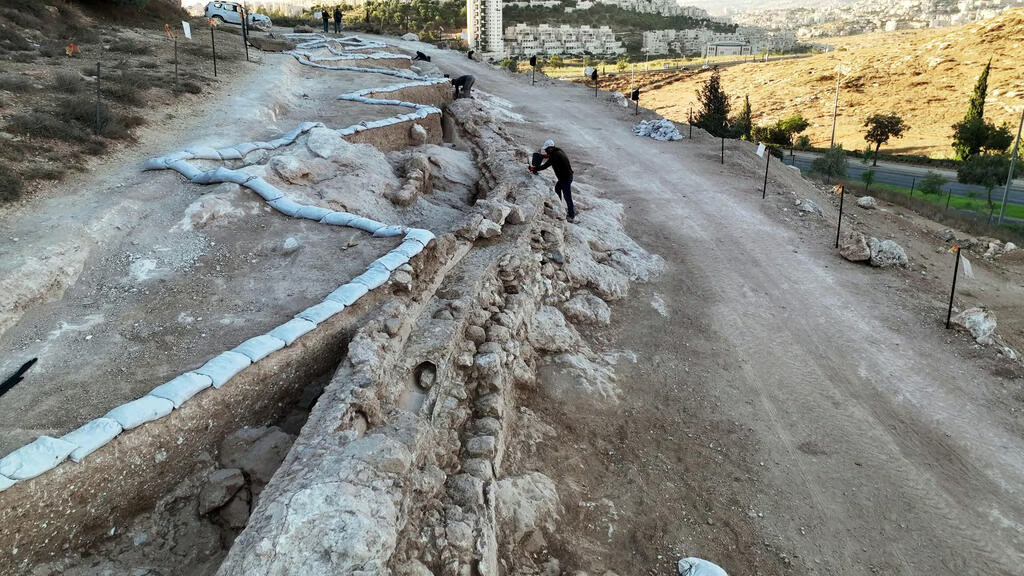
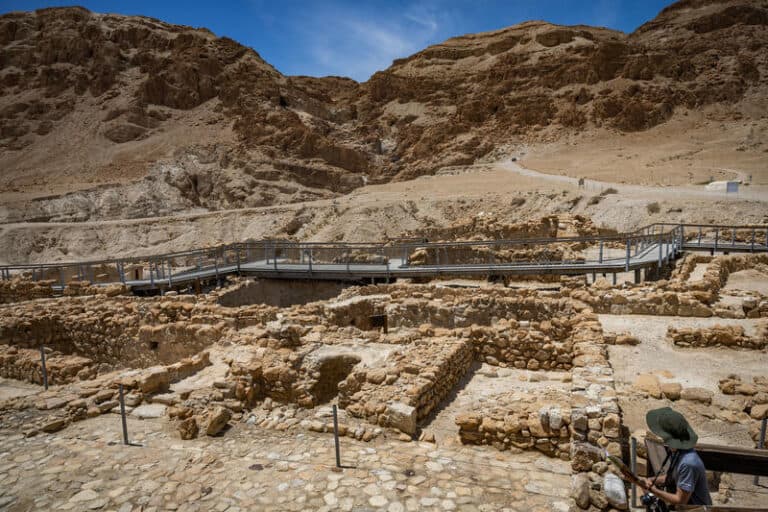

People visit the Qumran National Park, in the northern Judean desert | Photo: Noam Revkin Fenton/Flash90
Takeaways
- Israel approved roughly $85.5 million on May 20, 2026 to preserve biblical heritage sites.
- Tel Shiloh, home of the ancient tabernacle, is a centerpiece of the plan.
- Qumran, Sebastia, Herodium, and Hebron are all included too.
- These sites connect directly to Joshua, Samuel, and the Dead Sea Scrolls.
- The Bible’s geography is being preserved, not just remembered.
I still remember standing at Tel Shiloh, looking out over a stretch of quiet hills, and realizing this was the exact ground where the Tabernacle (Tent of Meeting or Mishkan in Hebrew) once stood. Real earth, real stone, the actual place itself. What an exhilarating feeling!
That feeling is exactly what came to mind when I read that Israel’s government approved roughly $85.5 million on May 20, 2026 for the preservation of heritage sites across Judea and Samaria, the Jordan Valley, and the Judean Desert. This isn’t a small restoration grant. It’s a national effort to protect the physical places tied to the Hebrew Bible.
Shiloh, the Forgotten Capital of Worship
Before Jerusalem became the center of Israelite worship, there was Shiloh. For hundreds of years, before the Temple ever stood, this was where the Tabernacle rested and where the nation gathered.
“The whole congregation… assembled together at Shiloh, and set up the tent of meeting.” (Joshua 18:1)
This was the place where Hannah prayed silently for a child and was mistaken for a drunk by the priest Eli. It’s where the boy Samuel first heard God call his name in the night. Generations of Israelite worship happened on this hillside, long before a single stone of Jerusalem’s Temple was laid.
Tel Shiloh is now included in the new heritage plan, which means the site where Israel’s earliest worship took place is finally being developed for serious archaeological research and for visitors, instead of being left to erosion and neglect. Walking those excavated floors, you’re standing where the Tabernacle itself once stood.
Qumran and the Dead Sea Scrolls
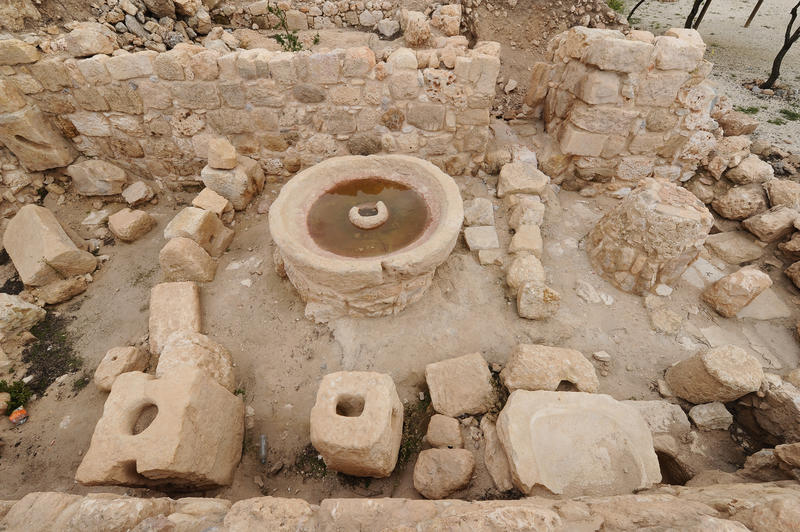
Qumran is also on the list. This is the site where the Dead Sea Scrolls were discovered, arguably the most important biblical find of the modern era. Preserving Qumran means preserving direct physical evidence that the biblical text has been carried faithfully for thousands of years.
📖 Ever wondered what the Dead Sea Scrolls are and what they really mean? Read this article to discover what they reveal about ancient Jewish life.
Sebastia, Where You Can Touch the Bible
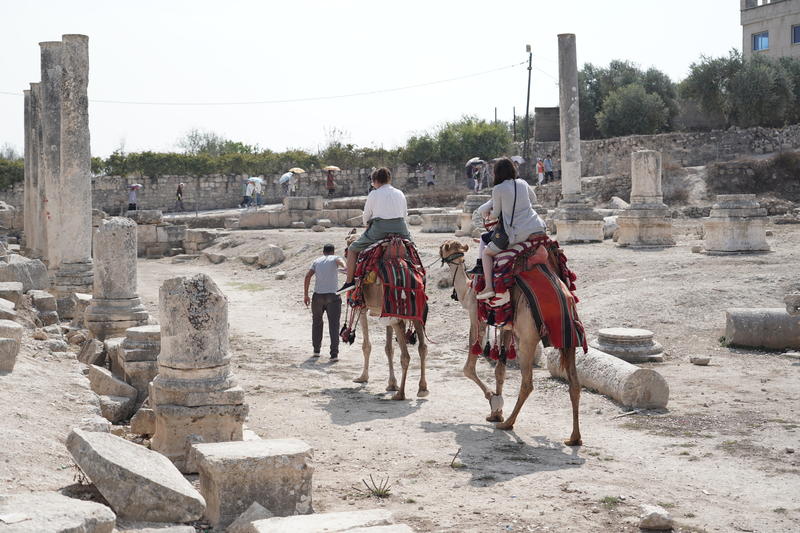
Sebastia was the capital of the Kingdom of Israel, and it’s getting serious attention in this plan. Israeli officials working there have described it as a place where visitors can literally touch the Bible while digging. The site holds layers from multiple periods, including a Roman forum, a Crusader cathedral, and the palace of Omri.
Hebron’s Long Overdue Upgrade
Hebron deserves its own mention. The Tomb of the Patriarchs there began its first conservation work in 2,000 years in early July 2026, including a new roof, electrical upgrades, and better drainage. It’s one of the oldest continuously visited holy sites in the world, and now it’s being cared for accordingly.
A Layered Story, From Patriarchs to Herod
Herodium rounds out the list, adding a Second Temple and Herodian layer to a plan that already spans the judges, the prophets, and the patriarchs before them. Officials have connected this work to tourism access too, with earlier funding approved for an archaeological park in Beit El. Much of this new investment is aimed at reversing decades of neglect, vandalism, and looting at these sites.
Standing on the Ground, Not Just Reading About It
I think about that hillside at Shiloh often. The ground under my feet carried the weight of the tabernacle in a way words on a page never fully can.
That’s what this $85.5 million plan is protecting. Shiloh, Qumran, Sebastia, Herodium, and Hebron aren’t relics floating somewhere in ancient memory. They’re stones, soil, and ruins that future generations will still be able to stand on, the same way I once did.
Want to keep reading? This article about The Oldest Address in the Bible takes you deeper into Hebron and the Tomb of the Patriarchs. Explore more on faith, values, and the Land of Israel at Sinai Project.
Discussion0
No comments yet — be the first to share your thoughts.