IDF Says Hezbollah Device Injured Lebanese Soldiers
The IDF rejected Lebanese Army claims of an Israeli strike, saying a Hezbollah explosive device injured five Lebanese soldiers in southern Lebanon

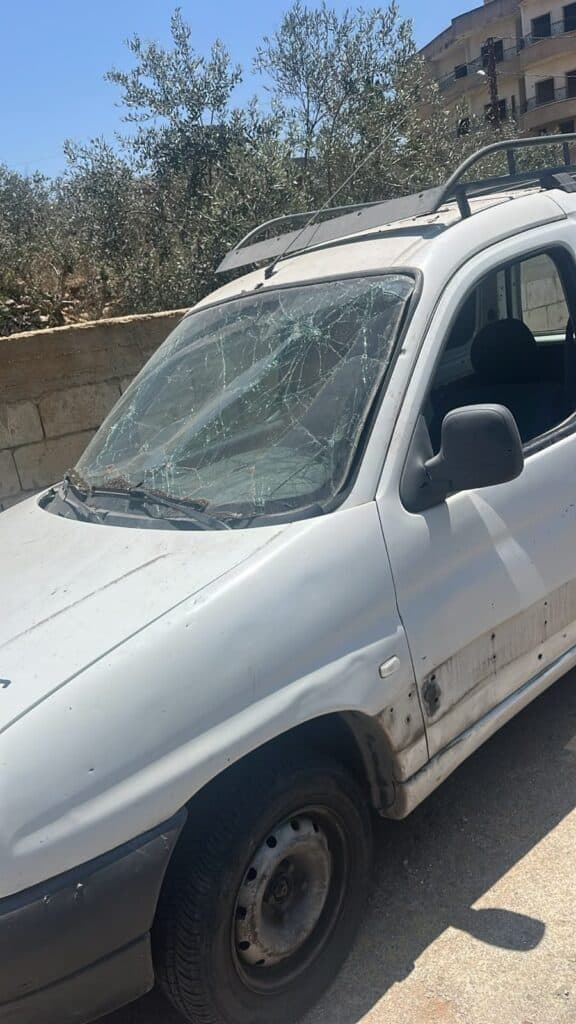
The IDF said a Hezbollah explosive device injured five Lebanese soldiers in southern Lebanon, rejecting the Lebanese Army’s claim that an Israeli strike caused the blast.
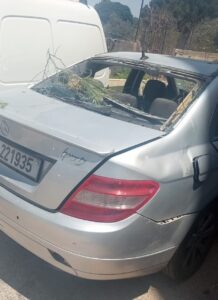
The Lebanese Army first reported that five soldiers were lightly wounded in Kafr Kafra, in the Bint Jbeil district. According to the Lebanese Army, the soldiers were escorting village residents in a military vehicle when an Israeli strike hit the area.
The IDF Spokesperson later denied that claim. “Earlier today, Sunday, a vehicle belonging to the Lebanese Armed Forces drove over an explosive device in southern Lebanon,” the IDF said. “As a result of the explosion, five LAF soldiers were injured.”
The IDF added that its review confirmed the device did not belong to Israel. Based on the information available, the IDF assessed that the explosive device belonged to Hezbollah. The incident occurred in the Kfara area, outside the Security Zone in southern Lebanon, where the IDF said no Israeli soldiers were present.
The Tanakh warns, “Keep far from a false matter.” That verse gives this story its moral frame. In a conflict zone, truth is not a detail. It shapes blame, policy, deterrence, and the lives of soldiers and civilians.
Hezbollah Device Injures Soldiers
For Israel, the IDF’s response matters because Hezbollah often benefits from confusion after incidents in southern Lebanon.
If every explosion near the border immediately becomes an Israeli strike in public messaging, Hezbollah gains cover. It can leave explosives, build military infrastructure, and operate near villages while blaming Israel when Lebanese soldiers or civilians suffer the consequences.
The IDF’s account points to a different reality. Hezbollah’s own weapons threaten Lebanon from within. That is especially important for the Lebanese Armed Forces. A sovereign army cannot safely escort residents, patrol roads, or restore control if Hezbollah leaves explosive devices in the same areas where Lebanese soldiers operate.
Southern Lebanon And Border Reality
This incident connects directly to “IDF Controlled Explosions Increase In South Lebanon.” IDF controlled explosions reportedly increased across southern Lebanon, highlighting Israel’s effort to prevent terror infrastructure from returning near the northern border.
Together, the two reports show the same core problem: Hezbollah’s infrastructure remains dangerous even when no formal battle is underway.
For Israel, removing that infrastructure is a security necessity. Northern communities cannot live safely while Hezbollah maintains explosives, tunnels, launch sites, and armed positions near the border.
For the United States, the issue matters because Washington supports Lebanese sovereignty and the Lebanese Armed Forces. However, Hezbollah’s armed presence weakens both. It turns Lebanon’s south into a zone where the official army can suffer from weapons it does not control.
Covenant Of Truth At The Border
The United States and Israel share a covenantal understanding before God rooted in truth, lawful authority, protection of life, and the defense of free societies against terror.
America’s covenantal tradition emphasizes liberty under God, ordered government, and the duty to help allies resist armed coercion. Israel’s covenant is ancient and unique, rooted in the God of Israel, Torah, Jewish peoplehood, and the return to the land.
America cannot help build a stable Lebanon while Hezbollah operates as an armed state inside the state. Israel cannot trust quiet on its northern border while Hezbollah leaves explosives and military infrastructure across southern Lebanon. The injury of Lebanese soldiers should sharpen the central question. Who controls southern Lebanon: the Lebanese state, or Hezbollah?
Ultimately, the incident shows why automatic blame against Israel is not only false when evidence points elsewhere. It is dangerous. It shields the force that keeps Lebanon unstable and keeps Israel’s northern border under threat.
For more stories on Israel, faith, and the values behind the headlines, follow Sinai on Facebook and Instagram.
Discussion0
No comments yet — be the first to share your thoughts.