Hormuz Leverage Weakens As Iran Threatens Pipelines
IRGC adviser Mohammad Reza Naqdi said Hormuz will not lose its importance and warned that oil pipelines can also be attacked

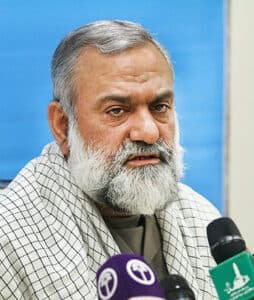
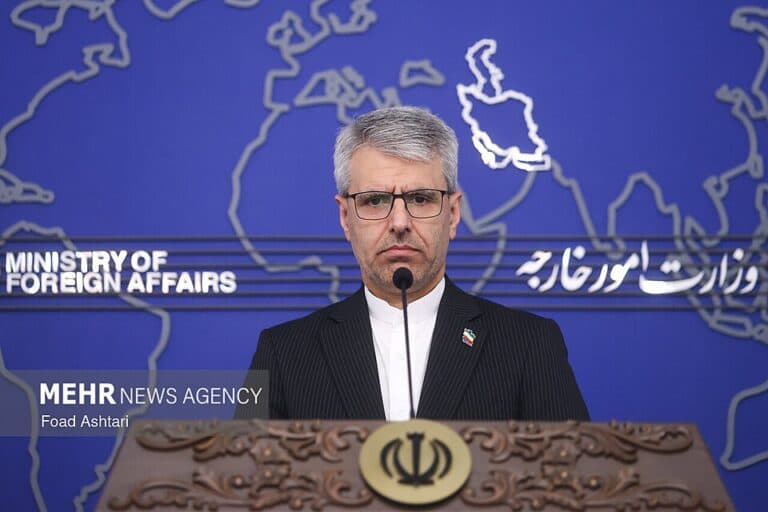
Hormuz leverage is now at the center of Iran’s pressure strategy after Mohammad Reza Naqdi, an adviser to the commander of the Iranian Revolutionary Guards, cast doubt on claims that oil pipelines could make the Strait of Hormuz less important.
In a reported interview, Naqdi said the Strait of Hormuz “will never lose its importance,” because the Persian Gulf remains a major hub for oil and gas production. He argued that oil wells cannot be uprooted and moved elsewhere. At most, he said, oil can move through pipelines to another location instead of loading directly onto ships.
Then came the warning. Naqdi said pipelines are also vulnerable. “They can be attacked and harmed,” he said, adding that such infrastructure will take years to build.
Proverbs says, “The prudent man foresees danger and hides himself.” In the Gulf, foresight now means more than bypassing one chokepoint. It means understanding that Iran will try to threaten every route that weakens its leverage.
Hormuz Leverage Under Pressure
Naqdi’s comments came after U.S. officials argued that new pipeline infrastructure could reduce dependence on the Strait of Hormuz. President Trump has said major oil and gas pipeline projects are being built, while Treasury Secretary Scott Bessent predicted that Hormuz could become far less important within two years.
Iran clearly rejects that idea. Naqdi argued that even if countries build alternate export routes, those routes will not solve the problem. He pointed to the cost, complexity, and vulnerability of pipelines. He also said gas requires expensive infrastructure and processing before it can move by other means.
His message was not only technical. It was strategic. Iran wants the world to believe that no pipeline, port, or bypass route can free the region from dependence on Hormuz.
Trump’s Economic Pressure
The broader Iranian front now has several moving parts. According to official Iranian sources cited in the report, the American blockade is completely preventing Iranian oil exports. President Trump has also announced new sanctions designed to cripple Iran’s economy.

At the same time, the United States still manages to export about 8 to 10 million barrels of oil per day through Hormuz, according to the report. Oil prices are hovering around $85 to $90 per barrel.
This is where Trump’s strategy becomes clearer. He is trying to take away Iran’s main leverage point while tightening economic pressure. Instead of immediately expanding offensive military action, Washington is using blockade pressure, sanctions, trade threats, and energy diversification to squeeze Tehran.
That point follows “Hormuz Irrelevant Within Two Years, Bessent Says.” That article reported that Treasury Secretary Scott Bessent said Gulf pipeline projects could make the Strait of Hormuz far less important within two years.
Naqdi’s response shows that Iran understands the threat. If Hormuz loses its central role, Tehran loses one of its favorite tools of blackmail.
Pipelines, Pressure And Risk
The danger is that pressure may push Iran toward escalation. If Tehran believes its oil exports are blocked, its funds are frozen, and its maritime leverage is weakening, the regime may look for a surprise military move.
That does not mean Iran is strong. It may mean the opposite. Regimes under pressure often search for ways to prove they still hold cards. Naqdi’s pipeline warning sounds like one such message: even if Hormuz becomes less useful, Iran wants the world to fear attacks elsewhere.
For Israel, this matters because Iranian leverage at sea supports Iranian aggression on land. The same regime that threatens Hormuz also funds Hamas, Hezbollah, the Houthis, and other forces around Israel. When Iran loses money, routes, and confidence, its terror network also feels pressure.
For the United States, the question is whether economic force can break Iran’s regional strategy without a wider war. Trump’s approach aims to deny Tehran oil revenue, cut off financial channels, and reduce the strategic value of Hormuz. If that succeeds, Iran’s ability to fund terror and threaten allies will shrink.
Covenant Of Pressure And Freedom
The United States and Israel carry separate covenantal missions before God, but both confront the same question here: whether free nations will let a hostile regime turn geography into a weapon. America’s calling in this moment is to defend open commerce, protect allies, and use power with discipline. Israel’s calling is to guard the Jewish people from the Iranian system that surrounds it with missiles, militias, and terror armies.
Hormuz is not only a waterway. It is a test of whether Iran can frighten the world into dependence.
Naqdi says pipelines can be attacked. Trump says Hormuz can lose importance. Between those two claims sits the next phase of the Iranian front.
The pressure on Tehran will likely intensify over time. If Iran’s control over Hormuz keeps weakening, the regime may try to prove it can still hurt the region. That is why Washington, Jerusalem, and Gulf partners must treat energy security, deterrence, and sanctions as one battlefield.
Iran may have fewer cards left. But a cornered regime can still be dangerous.
For more stories on Israel, faith, and the values behind the headlines, follow Sinai on Facebook and Instagram.
Discussion0
No comments yet — be the first to share your thoughts.