Ghalibaf Accuses U.S. Of Playing Military Games Near Iran
Mohammad Bagher Ghalibaf accused the U.S. of bringing new military equipment into the region while claiming it wants to end the war

Israel HaBahiyr
·12:23
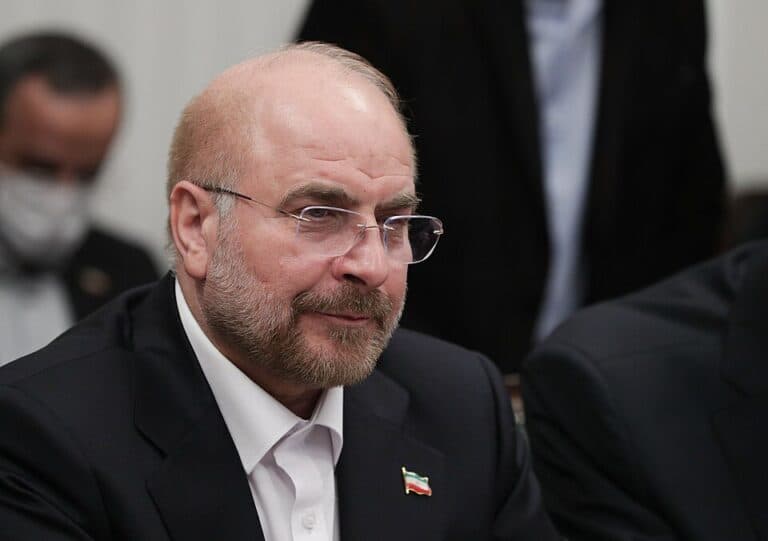
Mohammad Bagher Ghalibaf accused the United States of bringing new military equipment into the region while claiming it wants to end the war.
Ghalibaf, Iran’s Parliament Speaker and chief negotiator, said Washington’s actions contradict its words. His comments came as tensions remain high between the United States, Iran, and Israel. “The Americans keep bringing new military equipment into the region while claiming they are seeking to end the war,” Ghalibaf said. “They assume our intelligence is on the level of their own limited IQ.”
He added: “We have become masters at recognizing these American games and have prepared ourselves accordingly. Actions must confirm such claims, not contradict them.”
The Tanakh says, “The wise man’s eyes are in his head.” That verse fits this moment because war is not only fought with missiles. It is also fought through intelligence, preparation, and the ability to read the enemy clearly.
Ghalibaf U.S. Warning
Ghalibaf’s message was meant to challenge American credibility.Iran is trying to frame the U.S. military buildup as proof that Washington is preparing for a wider confrontation, not de-escalation. However, from the American perspective, moving assets into the region can also serve deterrence.
A military buildup does not always mean war is inevitable. Sometimes it means a country wants enough force in place to prevent the enemy from miscalculating. For Israel, the issue is immediate. Iran’s leadership continues to threaten the region, support terror proxies, and test American resolve. Therefore, any American move that strengthens intelligence, air defense, or regional force posture can affect Israel’s security picture.
Intelligence And Deterrence

Ghalibaf’s comments also connect directly to “U.S. Returns MQ-4C Triton To Region Amid Iran Escalation.” The U.S. military reportedly returned the MQ-4C Triton intelligence drone to the region, suggesting a renewed need for surveillance amid Iran-linked escalation.
If Iran sees American intelligence platforms returning, Tehran may assume Washington is preparing for expanded operations. However, the United States may also be trying to monitor Iranian movements, protect its forces, and prevent surprises. For Israel, better American surveillance helps expose the wider Iranian network. That includes threats from Iran itself, Iraqi militias, Hezbollah, the Houthis, and other hostile forces.
Meanwhile, Ghalibaf’s language shows how Iran wants to turn American readiness into an accusation. Tehran presents itself as defensive, but its regional behavior tells a different story. Iran’s proxies have threatened American bases, Israel’s borders, and allied countries across the region.
Covenant Of Watchfulness And Resolve
The United States and Israel share a covenantal understanding before God built on similar values: protecting life, defending freedom, resisting tyranny, and standing with allies under pressure.
Both nations know that peace requires strength, both understand that enemies must be watched before they strike, and both nations believe that power should protect the innocent, not reward regimes that use threats, terror networks, and deception as policy.
America is moving equipment and intelligence assets to see the battlefield clearly. Israel depends on that same clarity as it faces Iran’s missiles, drones, and proxies from multiple directions. The shared mission is not reckless escalation. It is readiness.
Iran wants to portray American preparation as aggression. However, America and Israel see a regime that has spent years surrounding Israel, threatening U.S. forces, and destabilizing the region. Ultimately, Ghalibaf’s warning shows that Tehran understands the pressure it faces. The question now is whether American and Israeli deterrence remains strong enough to stop Iran from turning threats into a wider war.
For more stories on Israel, faith, and the values behind the headlines, follow Sinai on Facebook and Instagram.
Discussion0
No comments yet — be the first to share your thoughts.