Takeaways
- Five days separate Yom Kippur from Sukkot, and that gap is deliberate.
- Sukkot alone is called zman simchateinu, the season of our joy.
- Sukkah building often starts the same night Yom Kippur ends.
- The sukkah echoes the clouds of glory from the wilderness years.
- Joy here gets built by hand, on schedule.
A Calendar Built for the Human Heart
Ten days of the year get treated with total seriousness. Rosh Hashanah opens the gates, and Yom Kippur seals them, a full day of fasting, reflection, and reckoning with everything a person has done wrong. Then, just five days later, the mood flips completely.
Sukkot arrives. Seven days of meals outdoors, guests at the table, and a level of happiness the Torah commands by name. Leviticus 23 lays it out plainly: the tenth of the month is for fasting, the fifteenth begins the festival. Five days sit in between, and that gap is the whole point.
Why Five Days Specifically
According to Jewish tradition, those five days trace back to the story of the Golden Calf. Moses came down from the mountain with the second set of tablets on Yom Kippur itself, a sign that the nation had been forgiven. Construction on the Tabernacle began right afterward, on the fifteenth of Tishrei, which is Sukkot.
The timing carries real weight. It marks the exact moment a broken relationship got repaired and something new got built in its place. The sukkah itself stands in for that construction project, a temporary hut thrown up in a matter of days.
The Only Festival Called “Our Joy”
Deuteronomy 16 tells the Israelites they shall rejoice in this festival and be nothing but joyful. Sukkot alone earns that specific instruction on the calendar. Sages have long connected this to two things wrapping up at once: the harvest coming in, and a year’s worth of judgment concluding favorably.
There’s a custom of waving the lulav and etrog, a bundle of palm, myrtle, and willow held together with a citron. Some describe it as a kind of victory flag, lifted right after the verdict comes back good.
A Surprising Piece of Trivia
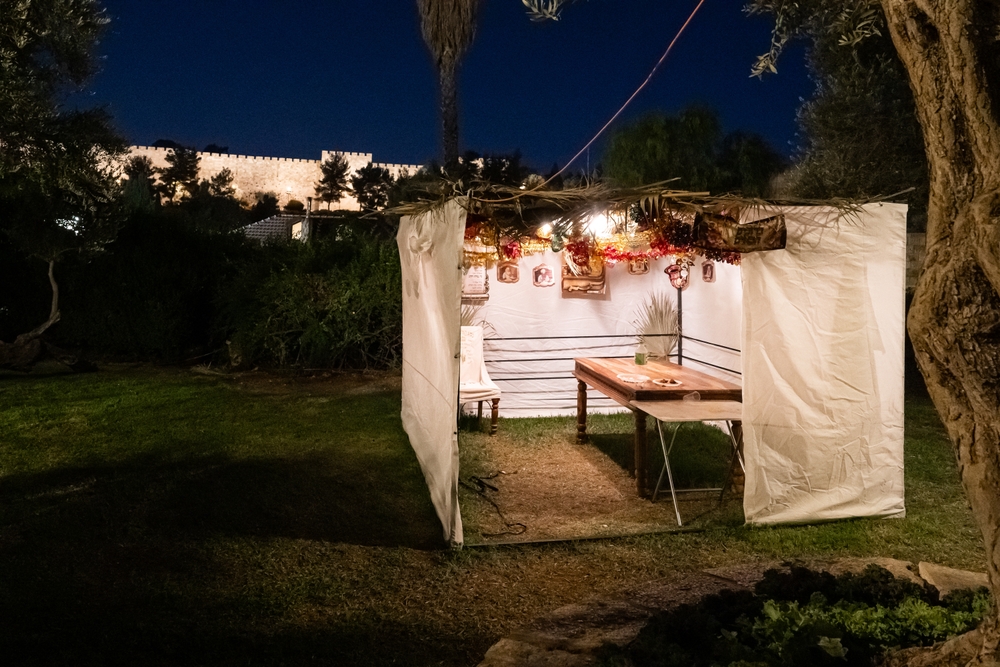
Most people picture farmers’ harvest huts and stop there. The sukkah connects to something older too: the clouds of glory, a protective covering many sources say surrounded the Israelites for forty years in the desert, shielding them from heat, cold, and everything else the wilderness could throw at them.
Living in a flimsy hut for a week, on purpose, is a way of rehearsing that kind of trust. Real walls get traded for branches and open sky, and the whole exercise points to security resting on something far bigger than the walls themselves.
Building the Sukkah the Same Night
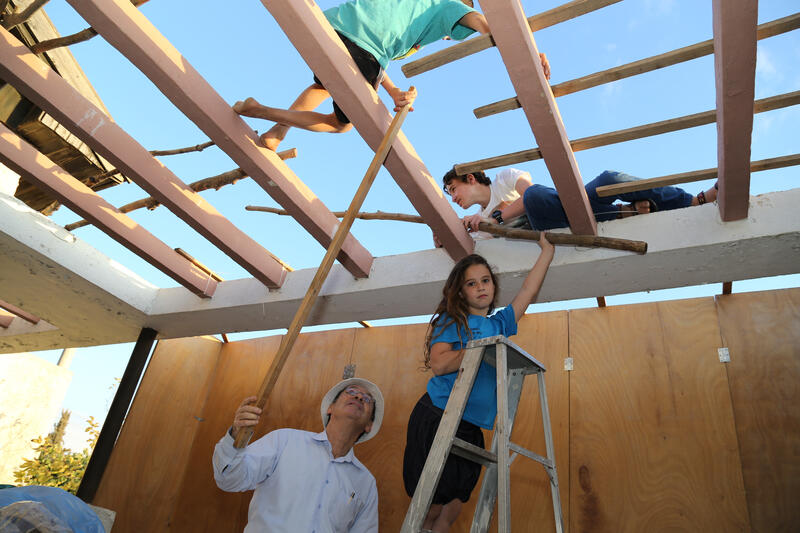
There’s a well-known custom, recorded centuries ago by the Rama, of starting sukkah construction the moment Yom Kippur ends, that same night.
Why rush? Going straight from one holy act into another, described as moving “from mitzvah to mitzvah,” channels a person’s energy directly from an intense fast into steady, purposeful action. The day’s emotional weight gets poured into something built with your hands, a strategy for sustaining joy that predates the term “burnout” by a couple thousand years.
A Short Q&A
Q: Why does Sukkot follow Yom Kippur so quickly?
A: The five-day gap mirrors the timeline of forgiveness after the Golden Calf, when construction on the Tabernacle began right after atonement was secured.
Q: What does zman simchateinu mean?
A: It translates to “the season of our joy,” a title unique to Sukkot among all the festivals.
Q: What’s the point of the sukkah’s fragile walls?
A: They represent trust in unseen protection, echoing the clouds of glory from the wilderness years.
The Bigger Lesson
Honest self-examination comes first, the hard work of facing what needs fixing. Then joy gets built by hand, shared at a table with people who matter, timed on purpose rather than left to chance. That order carries a kind of wisdom worth borrowing: face what’s true, then build the celebration rather than waiting around for it to show up.
Discussion0
No comments yet — be the first to share your thoughts.