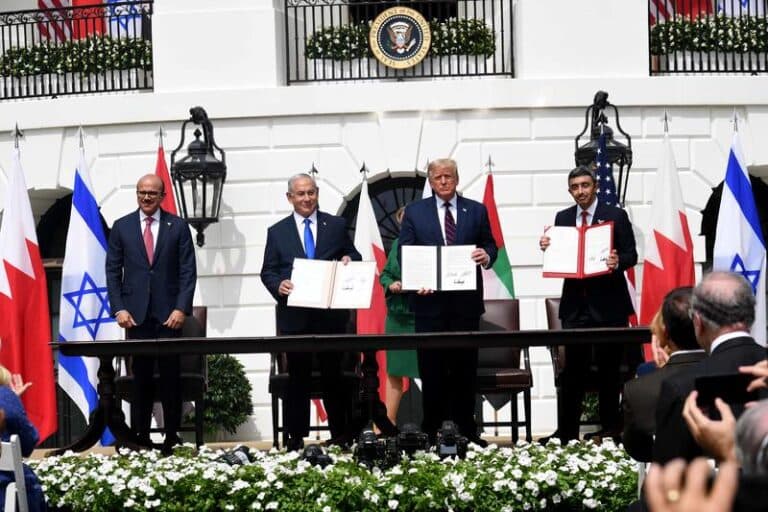

Israeli Prime Minister Benjamin Netanyahu, US President Donald Trump, Minister of Foreign Affairs and International Cooperation of the UAE Abdullah bin Zayed Al Nahyan and Abdullatif bin Rashid Al-Zayani, Minister of Foreign Affairs of Bahrain attend the Abraham Accords Signing Ceremony at the White House in Washington, USA, September 15, 2020 | Photo: Avi Ohayon/GPO
Takeaways
- Jerusalem and Golan got official recognition.
- Four Arab states shook hands with Israel.
- Hostages came home after two years in tunnels.
- Iran’s nuclear program lies in rubble.
- For some, it reads like prophecy in motion.
A Map That Finally Matched Reality
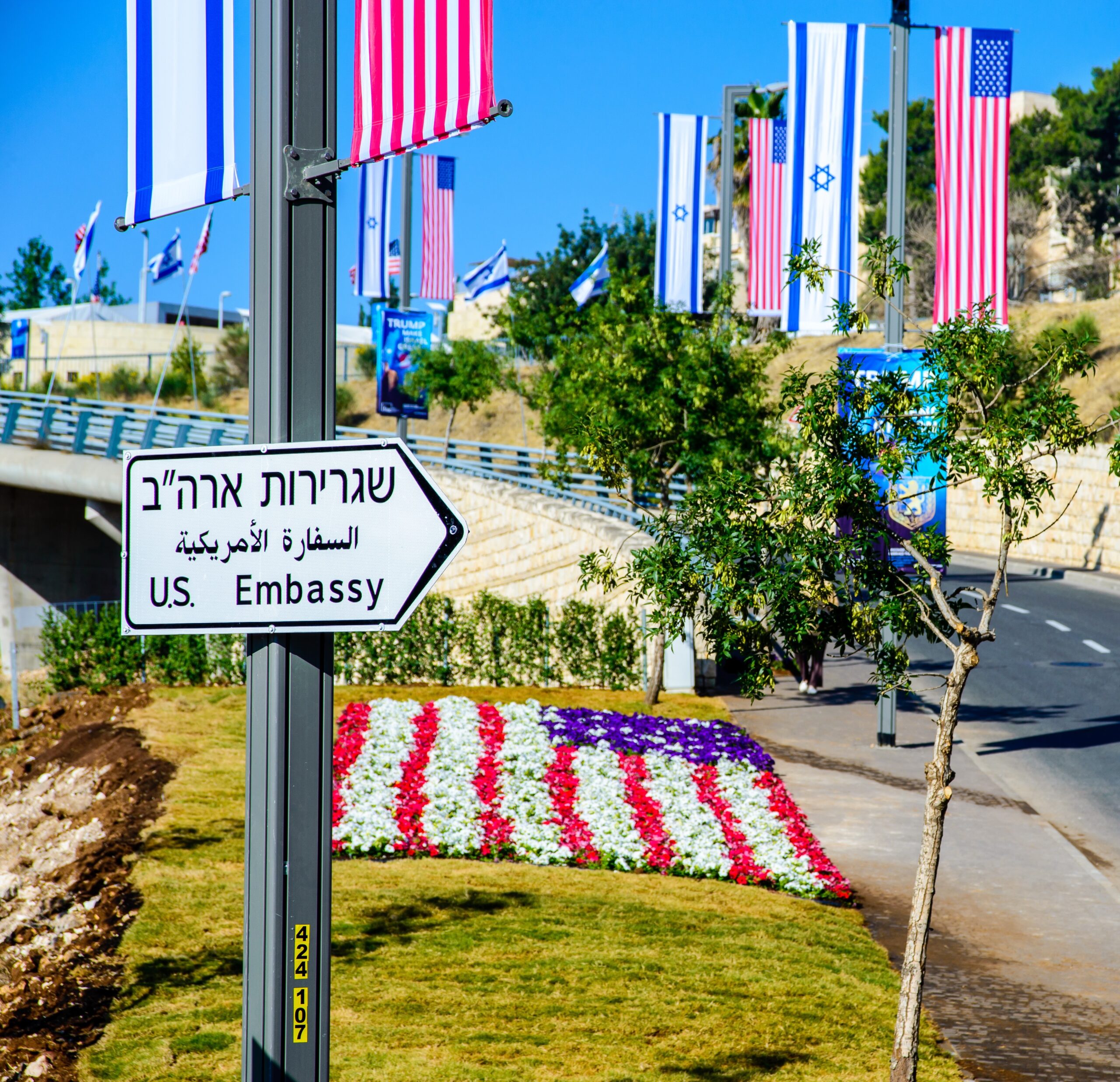
Most diplomatic shifts move at a crawl. This one didn’t. In 2018, the Trump administration moved the U.S. embassy to Jerusalem and recognized it as Israel’s capital, something Israel had asked for since 1950 without much luck.
A year later came an even bigger surprise: formal U.S. recognition of Israeli sovereignty over the Golan Heights, a strategic plateau Israel has held since the 1967 war.
This move gave Israel something rare in international law: a paper trail that finally matched the ground reality.
Iran Got the Cold Shoulder from Trump
The Trump administration’s posture toward Tehran took a turn from previous administrations’. Under Trump’s authority, the U.S. withdrew from the 2015 nuclear deal in 2018 and reinstated sanctions that had been lifted under the previous administration.
For Israel, which had warned for years that the deal left Iran’s nuclear infrastructure intact, this lined up with long-standing security concerns.
It also set the stage for closer coordination between Washington and Jerusalem on intelligence and defense planning, the kind of cooperation that doesn’t make headlines but matters when missiles are involved.
The Handshakes Nobody Saw Coming
Then came the Abraham Accords in 2020, and this is the part that genuinely caught analysts off guard.
The UAE and Bahrain normalized ties with Israel without waiting for a Palestinian peace deal first, a condition that had been treated as untouchable for nearly thirty years.
Sudan and Morocco followed. Suddenly there were direct flights, business deals, and tourism routes between Israel and countries that had never officially spoken to it. The Arab League’s old taboo didn’t just bend, it totally cracked.
The Day the Hostages Came Home
On October 13, 2025, the last twenty living hostages walked free from Gaza, two years after Hamas dragged them across the border on October 7.
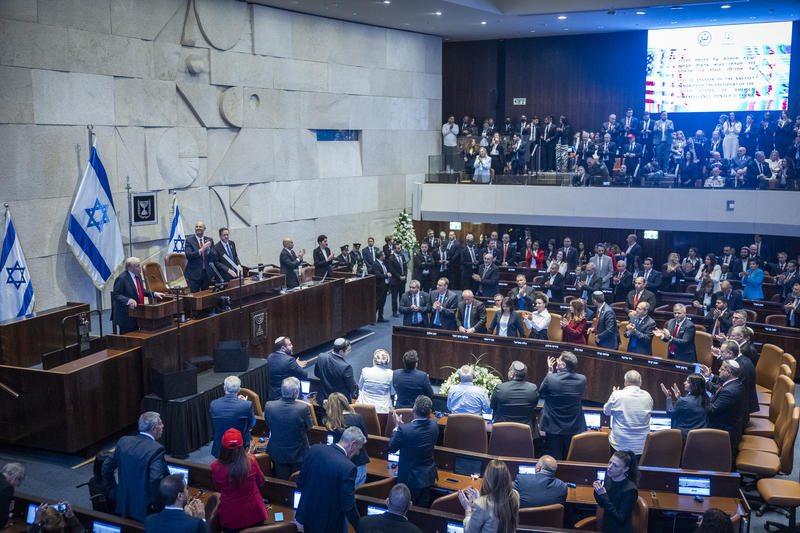
Trump flew to Jerusalem that same day and addressed the Knesset, becoming only the fourth U.S. president ever to do so.
Steve Witkoff and Jared Kushner sat in the chamber too, both credited by Israeli officials with shaping the deal that finally pried Hamas’s grip loose.
Trump had pushed for this from his first weeks back in office, leaning on the same hardline approach that had produced the Abraham Accords years earlier, and this time it forced Hamas into a ceasefire and hostage release that two years of the previous administration’s diplomacy never managed.
“The hostages are back,” Trump told the Knesset. “It feels so good to say it.” Lawmakers from both sides of the aisle stood and applauded.
Cracks in the Regime’s Grip
In June 2025, U.S. bombers hit three of Iran’s nuclear sites in a strike Trump called “complete and total obliteration,” following years of his administration’s maximum pressure campaign and a withdrawal from the 2015 nuclear deal.
The damage to Fordow, Natanz, and Isfahan set Iran’s program back by years, according to Pentagon assessments, stripping the regime of leverage it had spent over a decade building.
Sanctions snapped back hard in September 2025, hammering the currency and squeezing the economy further.
Then, as anti-government protests spread across Iran that winter and the regime answered with mass crackdowns, Netanyahu and Trump decided on a second joint strike, this time aimed at the leadership itself. Trump authorized the operation in February 2026, and the conflict widened into open war that spring.
The regime hasn’t fallen. Tehran’s grip on its own people remains as brutal as ever. But between a gutted nuclear program, a battered economy, and a leadership now under direct military pressure, the wall keeping Iranians from freedom has never looked this cracked.
Why It Lands Differently for Some Readers
For people who follow Israel through a prophetic or biblical lens, these aren’t just policy memos. Psalm 122:6 carries a simple instruction:
“Pray for the peace of Jerusalem: they shall prosper that love thee.”
A city changing hands diplomatically, a contested highland getting formal recognition, nations that once refused to acknowledge Israel suddenly signing agreements with it, hostages walking free after two years in tunnels, a regime’s nuclear ambitions left in rubble. History rarely moves this fast. When it does, it’s worth pausing to notice that some prayers take a while, but they don’t expire.
Want to keep reading? Read here about why Trump halted UNRWA funding his first week in office. Explore more on faith, values, and the Land of Israel at Sinai Project.
Discussion0
No comments yet — be the first to share your thoughts.