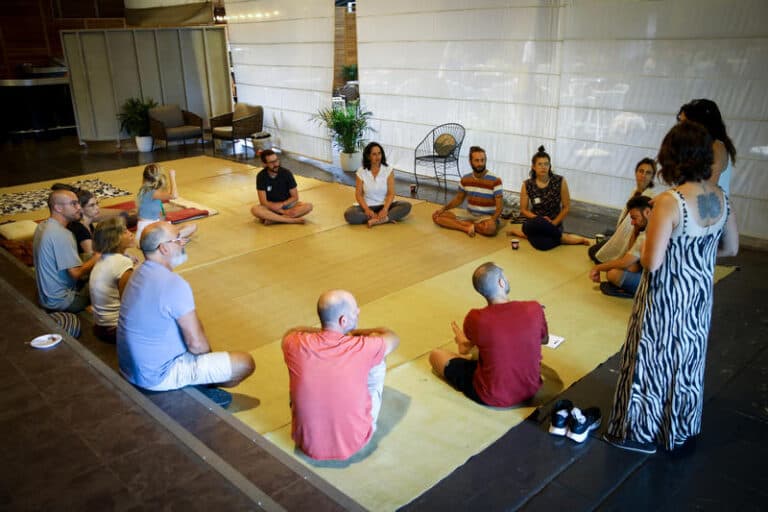

Therapy sessions for the survivors of the October 7 massacre at the Nova music festival when Hamas terrorists murdered more than 260 people attending the festival. October 27, 2023 | Photo: Aloni Mor/Flash90
5 Takeaways
- Nearly a third of Jewish Israelis say they pray more since the war began.
- Young Israelis are leading the religious and spiritual shift.
- Many Nova festival survivors found their way back to Shabbat through grief.
- The change is mostly a move toward deeper practice, not full religious conversion.
- Faith found a way back, even in the darkest years Israel has known.
War has a way of stripping life down to what matters. For many Jews in Israel since October 7, 2023, that has meant prayer, Shabbat candles, and the Tanakh (Hebrew Bible).
The Numbers Behind the Shift
A study from the Jewish People Policy Institute found that 27% of Jewish Israelis now observe Jewish tradition more than before the war.
Thirty one percent said they pray more often, and 20% said they read the Tanakh (Hebrew Bible) or Psalms more frequently than they used to.
A separate Hebrew University study of more than 1,200 Jewish Israeli university students found that one in four became more religious, and one in three described themselves as more spiritual. Increases outnumbered decreases across the board.
Young Israelis Are Leading the Change
The shift is strongest among the young. Among Jewish Israelis under 25, 33% reported observing more tradition since the war started. Thirty five percent said their belief in God grew stronger, compared to just 10% who said it weakened.
Among “masorti” Israelis (the traditional middle ground population between secular and religious), 51% of young respondents said they deepened their practice during and after the war.
Nova Survivors and the Search for Meaning
Some of the clearest examples come from survivors of the Nova music festival massacre. Shira Cohen, who survived the attack, kept Shabbat for the first time at a retreat held in honor of her brother and her friend Livnat Levi, who was killed that day.
Asaf Oren, another survivor, joined roughly 180 fellow survivors at a similar retreat and recited the blessing said by those who survive a life threatening event.
Meirav Berger, mother of hostage Agam Berger, said her family began keeping Shabbat after October 7. Reports say Agam prayed often and kept Shabbat even while held captive.
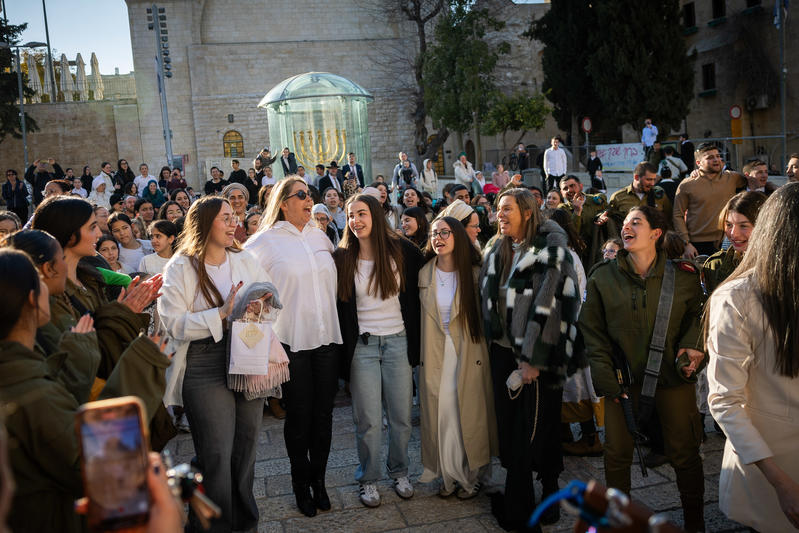
📖Read this article about one hostage who found faith in a Hamas’ tunnel.
What This Means
The clearest way to describe this moment is that war made faith more visible, more urgent, and more central to daily life for a meaningful share of Israelis. It didn’t erase the range of belief that has always existed in Israeli society.
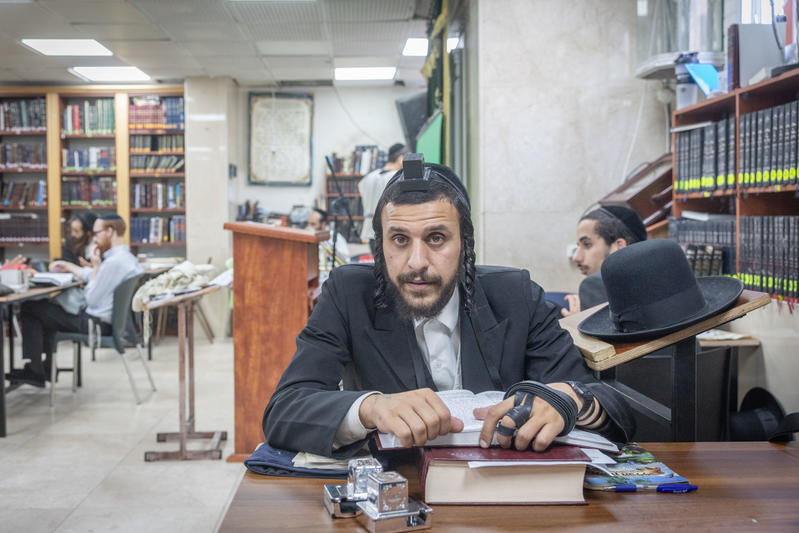
More tefillin, more Shabbat tables, more open prayer, these are signs of a deepening trend (rather than a single sweeping return).
The Bigger Question
Whether this spiritual shift lasts beyond the immediate aftermath of war is still unknown. What the data shows so far is a population reaching for prayer, tradition, and memory during the hardest stretch in recent Israeli history.
That reach, for many, started with grief and ended in a renewed sense of who they are.
Want to keep reading? Here’s a story of incredible courage from an Oct 7th Nova Music Festival survivor. Explore more on faith, values, and the Land of Israel at Sinai Project.
Discussion0
No comments yet — be the first to share your thoughts.