El-Sayed Nears Michigan Senate Primary Win
Abdul El-Sayed is leading in Michigan’s Democratic Senate primary, raising questions about anti-Israel politics and the future of U.S.-Israel relations

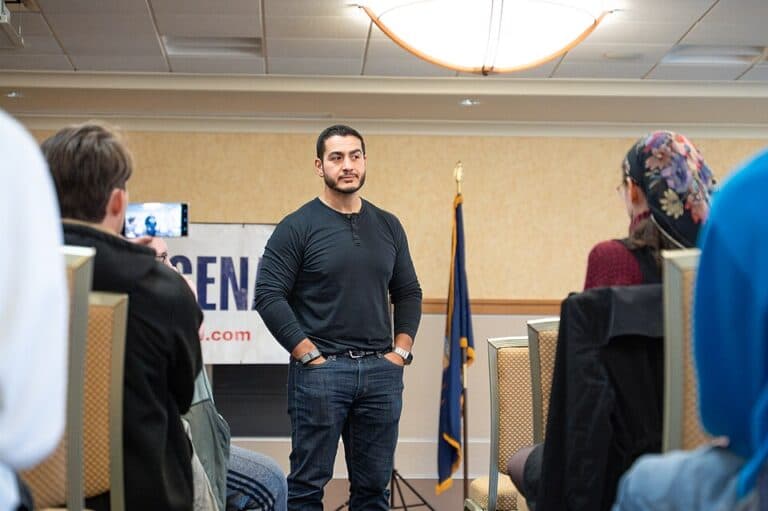
Abdul El-Sayed primary results in Michigan are drawing national attention after the progressive candidate moved close to winning the Democratic Senate nomination.
According to the report, after 85% of the votes were counted, Dr. Abdul El-Sayed was leading in the race for the Democratic Party’s Senate nomination in Michigan. Major outlets described the race as close and politically significant for the future direction of the Democratic Party.
El-Sayed, the son of immigrants from Egypt, could become the first Muslim senator in the United States if he wins the general election. He was born in America, which means he could also run for president in the future.
The report described him as a fierce critic of Israel. It said he refuses to recognize Israel as a Jewish state, calls it an apartheid state, and accuses Israel of committing genocide in Gaza.
The Tanakh says, “Do not follow the majority to do evil.” That verse gives this story its frame. Elections matter deeply, but political momentum does not make hostility toward Israel moral or true.
Abdul El-Sayed Primary Lead
El-Sayed’s rise matters because Michigan has become a major test case for the Democratic Party’s direction.
Thanks to his rhetorical skills, El-Sayed has attracted many followers. The report noted that some call him the “young Mamdani,” a comparison that reflects his appeal among progressive voters and anti-Israel activists.
For the United States, the race is about more than one Senate seat. A candidate with sharp anti-Israel positions moving toward a statewide nomination shows how far certain ideas have traveled inside American politics.
For Israel, the concern is direct. U.S. senators vote on military aid, sanctions, arms transfers, foreign policy appointments, and diplomatic pressure. A senator openly hostile to Israel’s Jewish identity could influence the tone of the alliance from Washington.
Michigan And Anti-Israel Politics
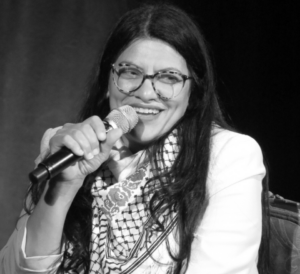
This development connects directly to “Rashida Tlaib Wins Democratic Primary In Michigan.” Rashida Tlaib won the Democratic primary in Michigan’s 12th district, highlighting the continued influence of anti-Israel politics inside parts of Congress.
Tlaib represents an entrenched anti-Israel congressional voice. El-Sayed’s lead suggests that similar politics may now compete at the Senate level. That shift matters for Democrats, Republicans, American Jews, Israelis, and every policymaker watching the U.S.-Israel alliance.
For Washington, the question is whether anti-Israel rhetoric remains a factional protest movement or becomes a serious force in national policy.
For Jerusalem, the question is practical. Israel must prepare for an American political environment where bipartisan support remains strong, but opposition inside parts of the Democratic coalition keeps growing.
Covenant Of Ballots And Alliance
The United States and Israel share a covenantal understanding before God rooted in liberty, justice, protection of life, and the defense of free nations.
America’s covenantal tradition emphasizes freedom under God, democratic responsibility, and the moral duty of public leadership. Israel’s covenant is ancient and unique, rooted in the God of Israel, Torah, Jewish peoplehood, and return to the land.
America must decide whether its democracy will elevate leaders who defend allies or leaders who delegitimize the Jewish state. Israel must continue speaking clearly about its rights, security, and identity, even when foreign politicians turn anti-Israel language into campaign strength.
El-Sayed’s possible victory would not define all of America. However, it would show that anti-Israel politics can compete not only in House districts, but also in statewide races.
Ultimately, the impact for both America and Israel is clear. The U.S.-Israel alliance depends not only on presidents and prime ministers, but also on the senators and lawmakers who shape policy, funding, and public legitimacy.
For more stories on Israel, faith, and the values behind the headlines, follow Sinai on Facebook and Instagram.
Discussion0
No comments yet — be the first to share your thoughts.