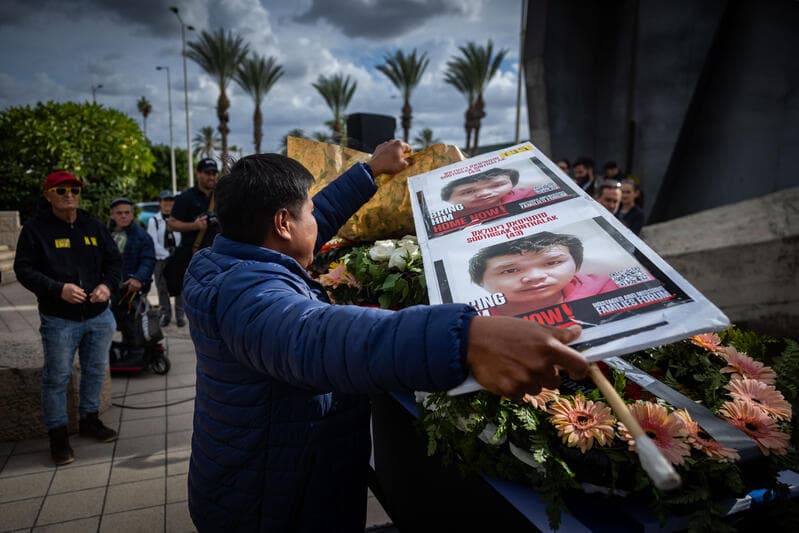
Boycott Backfires: Anti-Israel Push Hits Arab-Owned Israeli Brands
A Brooklyn boycott of Israeli products reportedly led stores to pull items from shelves, only to discover that many belonged to Arab-owned Israeli companies

Boycott Backfires
At Brooklyn’s Park Slope Food Coop, a boycott of Israeli products has spiraled in an unexpected direction.
After members voted in favor of removing Israeli goods, stores began pulling products imported from Israel from the shelves. But the move quickly exposed a problem: many of the items targeted by the boycott were tied to Arab-owned Israeli companies or Arab-owned factories.
The backlash revealed a simple reality often ignored by boycott campaigns: Israeli society is not one-dimensional. Israeli products are not made only by Jews, and the Israeli economy is not limited to one ethnic or religious community.
When activists call for a blanket boycott of Israeli goods, they are also targeting Arab-owned businesses, Arab workers, minority communities, and organizations that operate inside Israel’s diverse economy.
Israel’s Diversity
Official numbers make that reality clear. According to Israel’s Central Bureau of Statistics, Israel’s population on the eve of Independence Day 2025 was 10.1 million people, including 2.1 million Arabs, or nearly 21% of the population. CBS defines that Arab population as including Muslims, Arab Christians, and Druze.
That means a broad boycott of “Israeli products” does not only affect Jewish-owned companies. It can also hit Arab citizens of Israel, Christian communities, Druze communities, Muslim-owned businesses, mixed workplaces, and Israeli organizations serving minority populations.
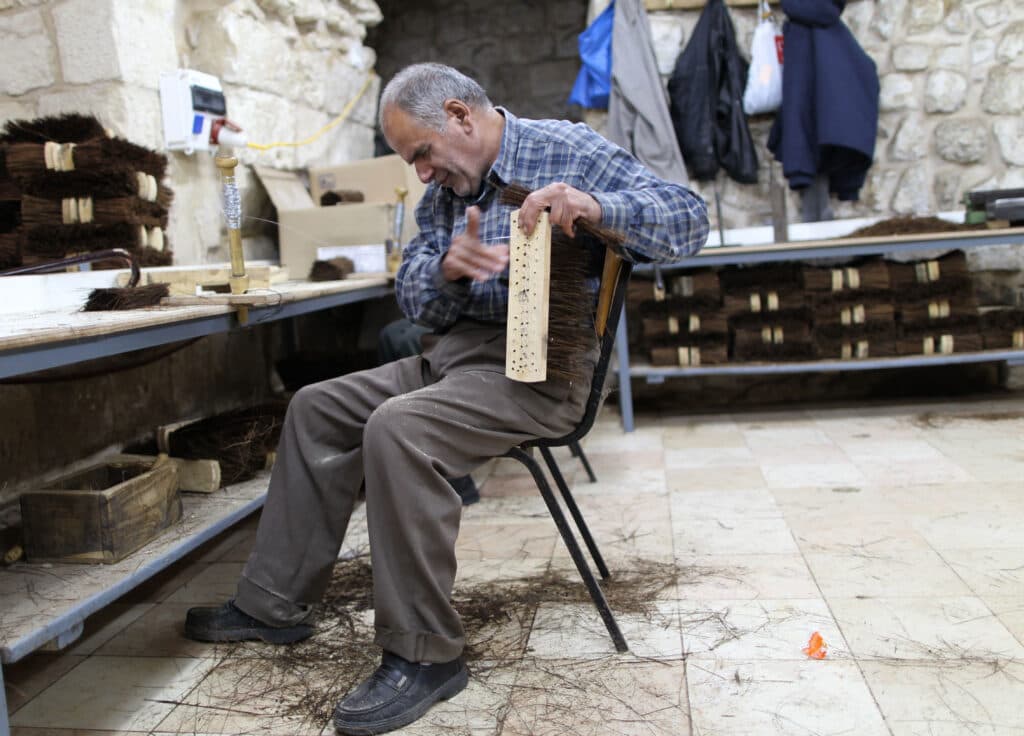
One example is the Arab Blind Association in Jerusalem’s Old City. Founded in 1932 by blind Arabs, the association owns and manages workshops employing blind Arabs and also supports financial aid projects for the blind. The workshop pictured above shows a blind Arab man making brooms in Jerusalem, a reminder that the local economy includes people and communities far more diverse than boycott slogans suggest.
The People Behind the Label
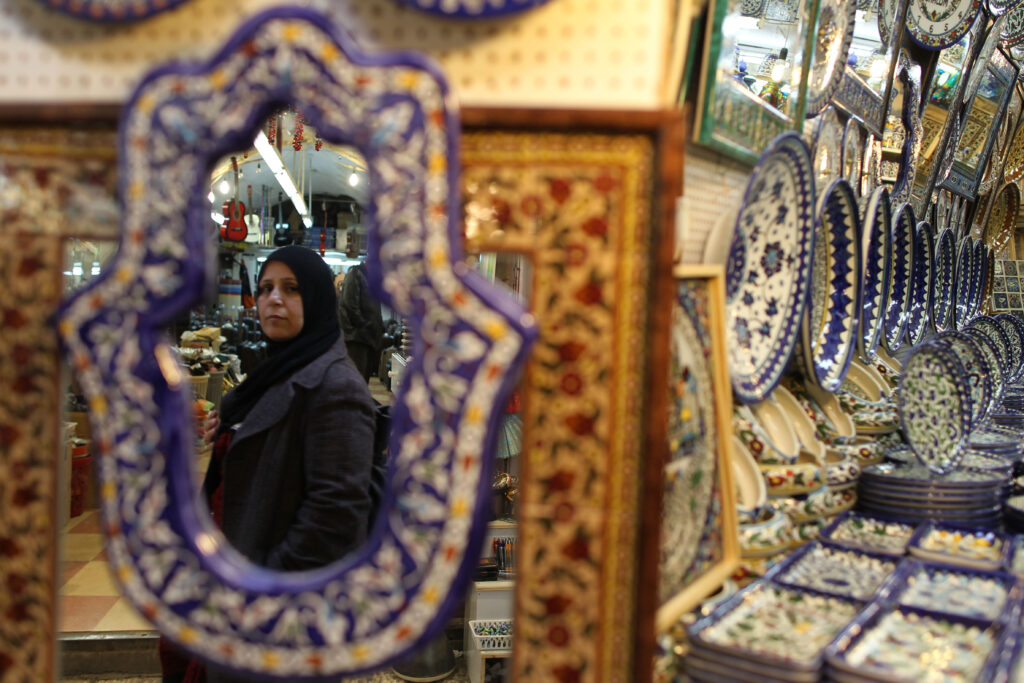
That is the part of Israel many boycott campaigns ignore. Behind the label “Made in Israel” are real people from across the country’s ethnic and religious landscape.
Some are Jewish. Some are Arab. Some are Muslim, Christian, Druze, or members of other communities. Some are small business owners. Some are workers. Some are people with disabilities whose livelihoods depend on local production, exports, and trade.
The Brooklyn boycott was meant to target Israel. Instead, it revealed the flaw in treating Israel as a single, flat political symbol rather than a real country with real communities and a shared economy.
The boomerang effect is clear: when activists boycott Israeli products without understanding who makes them, they may end up hurting the very minorities they claim to defend.
Discussion0
No comments yet — be the first to share your thoughts.