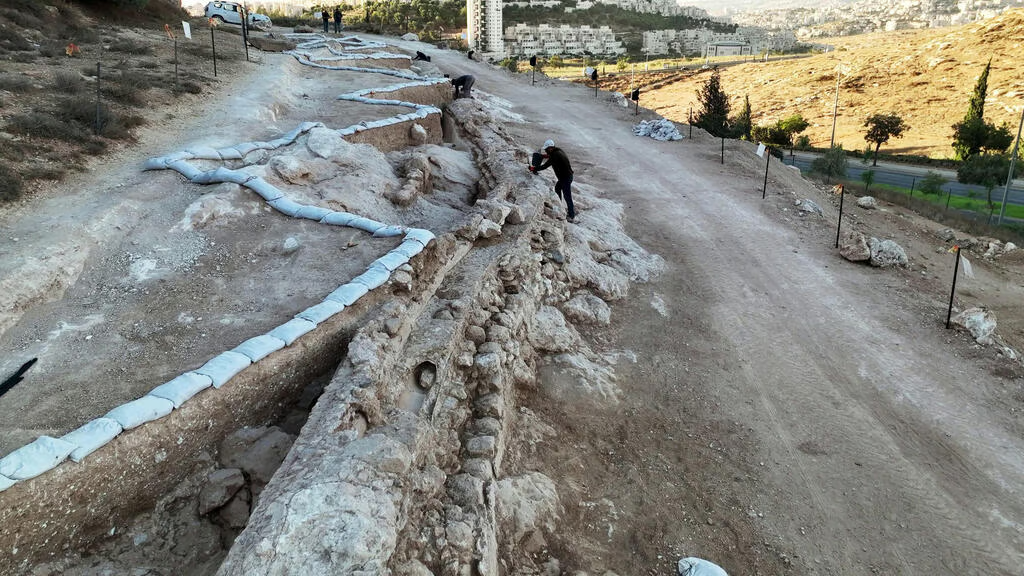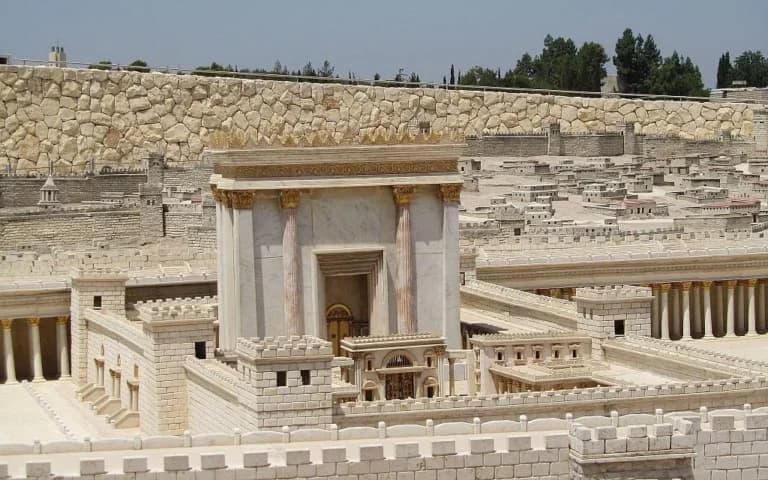

Holy Temple as it appears in model of Jerusalem in Second Temple period at the Israel Museum | Photo: Freud, Wikimedia Commons
Takeaways
- Archaeologists uncovered a 280-square-meter purification complex beside the Temple Mount.
- It sits by the Triple Gate, a main pilgrim entrance.
- The mikveh is the Hebrew Bible’s path to purity before God’s presence.
- Dozens of coins from the First Jewish-Roman War mark its final days.
- The dig shows the Hebrew Bible lived out, immersion by immersion.
Picture stone steps, a vaulted ceiling, and a drainage channel sloping toward the Kidron Valley. Israeli archaeologists announced this massive, well-preserved find on September 24, 2026, just before the 8 day-long Jewish holiday of Sukkot, and the timing feels almost scripted.
Anyone who loves the Hebrew Bible gets a front-row seat to how God’s commands looked on an ordinary day in Jerusalem.
What Was Found at the Foot of the Temple Mount
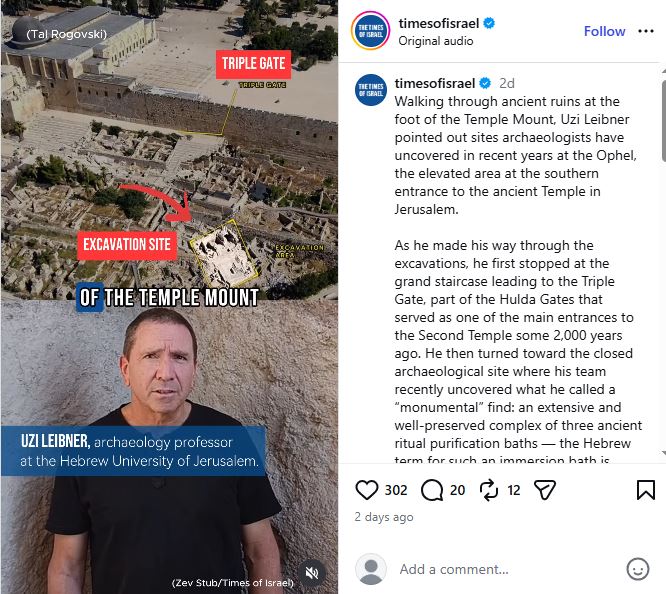
The complex covers about 280 square meters (roughly 3,000 square feet) in the Ophel, just south of the Temple Mount. It sits close to the ancient Triple Gate, one of the main entrances pilgrims used to reach the Temple courts.
At the center is a large plastered pool, about 12 by 9.5 meters, with steps on all four sides. Beside it stands an ashlar stone building holding three big public mikvas.
Excavators date construction to the early first century CE. The site served pilgrims until Jerusalem fell in 70 CE, and dozens of coins from the First Jewish-Roman War turned up in the destruction layers.
What Is a Mikveh, and Why Does the Hebrew Bible Ask for One?
A mikveh (plural, mikvas) is a ritual immersion pool used for ritual purity. The Hebrew Bible lays the groundwork in Leviticus 11 to 15 and Numbers 19, where contact with a dead body or certain bodily conditions called for washing and waiting before entering holy space.
Here’s how it works:
- A person fully immerses in gathered water that meets Jewish legal standards.
- Ritual purity is restored.
- That person may then approach the Temple, eat certain offerings, or return to normal religious life.
The goal is a restored status before a holy God. That makes the mikveh a picture of readiness, and a beautiful one.
Why Pilgrims Needed a Place Like This
Three times a year, at Pesach, Shavuot, and Sukkot, Jerusalem swelled with Jews from across the land and the Diaspora. Travel, contact, and everyday life left many needing immersion before they stepped into the Temple courts.
Think about the logistics. Thousands of people, one mountain, and a rule that required purity at the door. Several large mikvas beside the Triple Gate let crowds prepare efficiently, then ascend.
Beneath the newer complex, excavators found an earlier purification facility from the first century BCE. Generations of pilgrims used this same spot to honor God’s instructions.
Engineering That Tells a Story
One mikveh survives almost to full height, 4.2 meters (about 14 feet), with a vaulted stone ceiling and a water shaft. That’s rare for Jerusalem, and it points to serious planning.
An extensive drainage system carried water toward the Kidron Valley. Researchers think a branch of the Temple aqueduct may have fed the site, though that’s still being studied.
Builders who commit this much stone, water, and labor are answering a real need. Purity shaped the city’s infrastructure, and the Hebrew Bible explains why.
Sukkot, the Hebrew Bible, and Standing With Israel
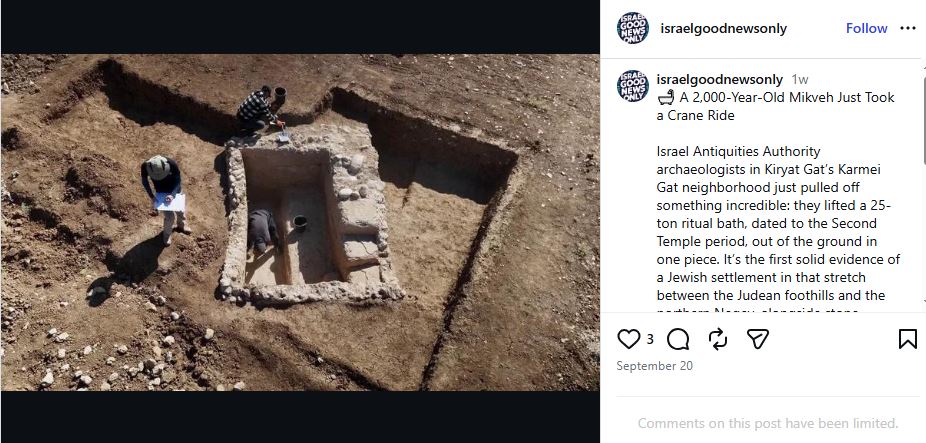
The announcement came right before Sukkot this year. It’s serendipitous, because in the days of the Temple, Sukkot was one of the three pilgrimage festivals, and immersion needs would have spiked then, as crowds prepared to enter the Temple courts.
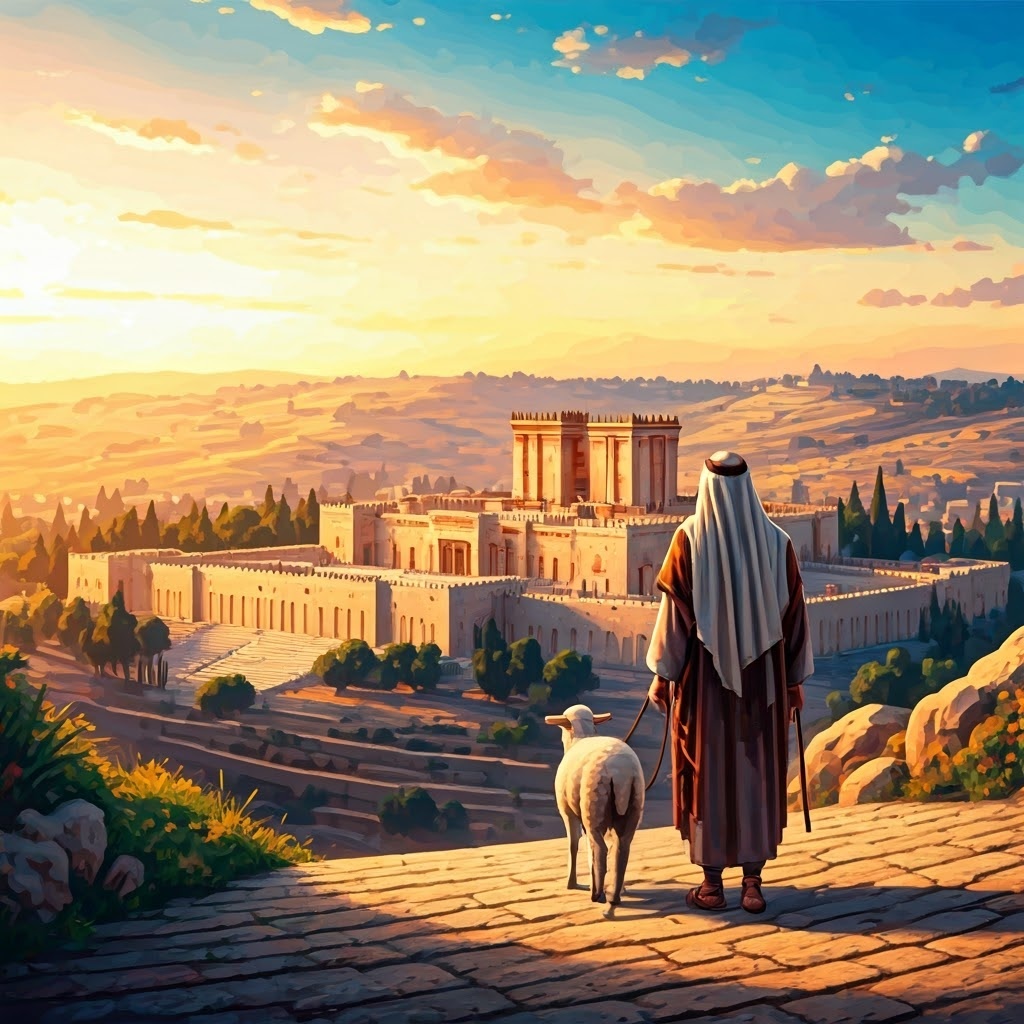
Entering in purity was part of honoring God’s instructions for the Jews of that era. This find matches what the Hebrew Bible and Second Temple sources lead a reader to expect: crowds of pilgrims, strict purity rules, and engineered solutions near the gates.
It also shows an unbroken Jewish connection to Jerusalem and Temple worship, rooted in daily practice of the Hebrew Bible’s commands long before modern politics. Understanding the mikveh helps readers see why Jewish life still revolves around God’s commands, and why standing with Israel includes standing with Jewish religious continuity in its historic heartland.
Every step and immersion here happened right where the Hebrew Bible says it would.
Discussion0
No comments yet — be the first to share your thoughts.