A Moment of Courage: Shabbat
The war in our land has been raging for over a year now, and like many Israelis, we sought to find our small, unique contribution—a way to ensure that we’re not just continuing as usual, but doing something meaningful for the greater good.

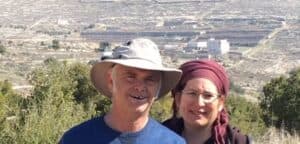
The war in our land has been raging for over a year now, and like many Israelis, we sought to find our small, unique contribution—a way to ensure that we’re not just continuing as usual, but doing something meaningful for the greater good. The inspiration came fairly quickly. As a bereaved family for eight years now, we realized we could contribute to the new families who have entered the circle of bereavement.
Thus began a weekly journey, starting from the outbreak of the war. Each week, we travel to different parts of the country, visiting families, embracing them, and sharing with them our “Hallel Wine”.
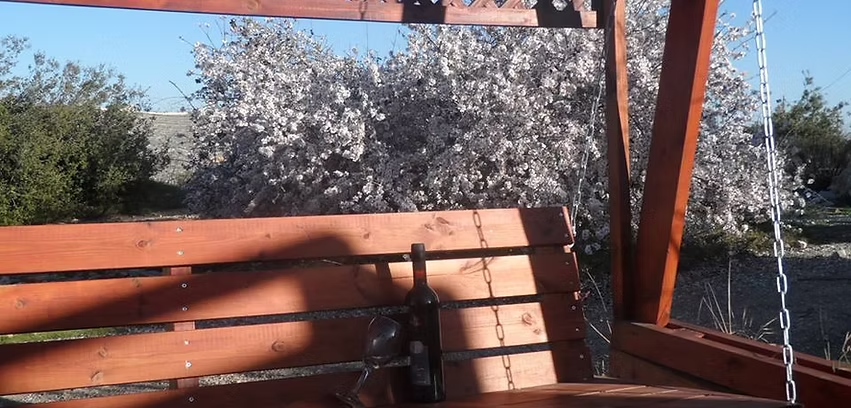
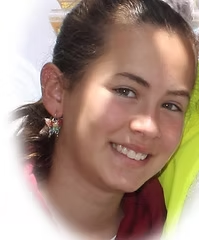
Our daughter Hallel was murdered eight years ago—a pure 13.5-year-old girl who was killed in her bed at home, right by the fence, much like the events of October 7. The home is surrounded by vineyards and a winery, and where the terrorist walked, there are now vineyards from which we produce Hallel Wine. This wine accompanies us to bereaved families. It symbolizes blessing, hope, and faith. It takes time from planting the vine to drinking the wine, during which the farmer continues working with the belief that one day he will enjoy its fruits.
Through this journey, we have met hundreds of families who create the uniquely beautiful mosaic of Israeli society.
Last week, we traveled to a town in Samaria called Kedumim, where three members of the community were murdered—a heinous and tragic act. The first week after death is known as Shiva, a 7 days in which the bereaved family does not leave their home, does not work, and does not change clothes. They are in mourning. During this time, relatives, friends, and anyone who can, come to comfort and support them. This special tradition allows the mourners to grieve for their loved ones and gradually begin returning to life.
After visiting the three mourning families, we continued to visit others whose tragedies occurred earlier in the war.
We arrived at a home where a father of ten children had been killed. He was a Jewish man in his mid-40s, a person of profound spirit and strength, who chose to enlist and fight. He died, leaving behind 11 people to carry on his legacy.
We hesitated before entering this house. What could we possibly say to ten orphans? We were afraid of the overwhelming grief we might find there, afraid of witnessing the collapse of a family.
We knocked, and a young man opened the door, welcoming us warmly. What we saw inside was both surprising and awe-inspiring.
It was Wednesday, but the long, central table in the house was already set for Shabbat! We asked the young man why this was, and he explained that they begin welcoming the spirit of Shabbat in the middle of the week—it brings them joy and hope. The Jewish Shabbat is a remarkable time for family embrace, tranquility, and sanctity. They yearn for that embrace and actively invite it into their lives.
In this house, we felt the presence of immense hope. Hope is not just a feeling—it’s an action, a deed, a choice. The family chose not to fall apart but to strengthen their home, turning it into a space filled with immense light and hope.
Rena Ariel is a Jewish educator, leader, and role model for many in Israel and around the world. She is the mother of Hallel Yaffa Ariel, whose tragic loss to terrorism has further inspired Rena to promote initiatives that emphasize unity, faith, and the sanctity of life in the Land of Israel. Rena can be reached for lectures or visits to Kerem Hallel at yekev.arielbyehuda@gmail.com
Discussion0
No comments yet — be the first to share your thoughts.