While Israelis Affirm Life, PA’s Culture of Death Called Out in New York City
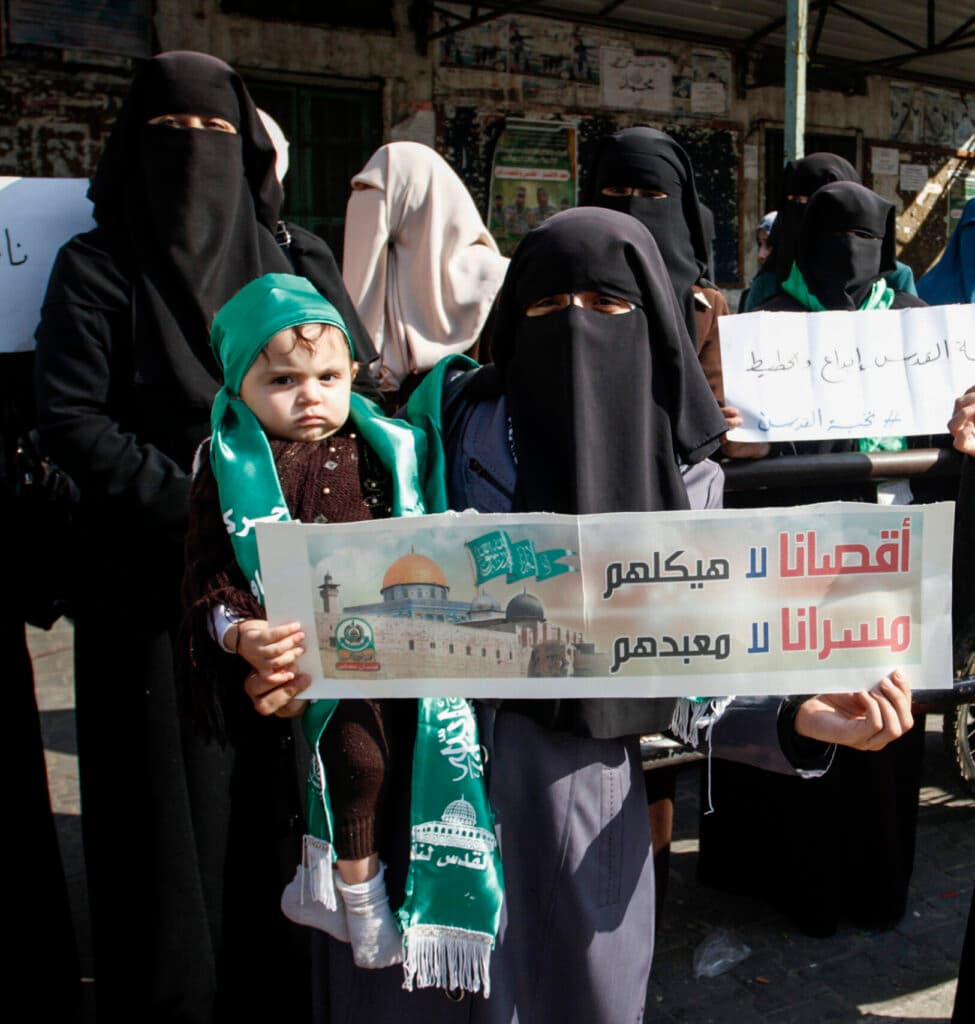
For years, critics have argued that a significant portion of Palestinian society have nurtured a culture that glorifies death, elevating those who carry out attacks against Israelis as “martyrs” and rewarding their families with honor, public praise, and financial support. Streets, schools, and summer camps have been named after perpetrators of violence, reinforcing a narrative

Hadas Amram
Opinion contributor··4 min read
Today (Sunday), saw one heartening sign of pushback against this grisly practice. A massive digital billboard was displayed in Times Square in New York City, calling on the Palestinian Authority to stop paying stipends to terrorists and their families. The towering sign featured an image of Palestinian Authority Chairman Mahmoud Abbas, known also by his nickname Abu Mazen, alongside the message: “The Palestinian Authority still pays for killing Jews. End ‘Pay to Slay.’”
In Times Square today.
The truth the world needs to see:
The Palestinian Authority still pays terrorists who murder Jews.End Pay-for-Slay. pic.twitter.com/yGAUIydwmd
— Israel Foreign Ministry (@IsraelMFA) February 13, 2026
Payments Continue Unabated
According to the Israel Policy Forum, the program costs approximately $300 million annually, which is roughly 8 percent of the Palestinian Authority’s yearly budget. Although Abbas signed an official decree last year formally canceling the program, various reports indicate that payments have continued through indirect and concealed channels.
The Israeli monitor organization Palestinian Media Watch, which tracks and documents incitement in Palestinian media, also reported that more than $200 million was transferred to terrorists and their families in 2025 alone.
Last week, a body that operates under the emblem of the Palestinian Authority but is controlled by Hamas, announced a wide-scale distribution of financial grants to what it termed “war widows.” According to the official announcement, the initiative, called “We Stand With You,” focuses in its first phase on women who lost their husbands. So far, 19,306 widows have each received 500 shekels in cash. The total distributed in the current round amounts to approximately 9.65 million shekels.
Behind the sanitized language of “social justice,” however, lies a system built on the confiscation of funds and goods during the months of fighting. Hamas officials openly acknowledged that the source of the funds was not foreign humanitarian aid, but money “seized” and confiscated by the so-called Committee to Combat Economic Crimes. In practice, these are funds taken from Gaza merchants and business owners, under accusations of “exploiting the war” or operating contrary to Hamas regulations.
In an Arabic statement released by the Ministry of Social Development in Gaza, the ministry wrote it was distributing financial aid to 19,306 widows according to “professional, just, and transparent criteria.
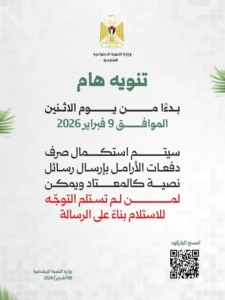
The ministry clarified that funding for the initiative came from monies confiscated by the “Committee to Combat Economic Crime” since the ceasefire agreement took effect. “These are funds confiscated from several merchants who exceeded legal and moral boundaries during the period of ‘genocide’ and exploited citizens’ needs through illegal practices. These were funds unlawfully taken from citizens’ pockets, and the competent authorities emphasize that returning them today to the public constitutes a correction of a distorted path and the strengthening of the rule of law and protection of society’s dignity.”
As an aside, it is worth noting that throughout the fighting, Hamas has collected taxes, controlled prices, and distributed aid to affiliates. Its operatives frequently looted aid trucks and blocked basic goods from reaching civilians. The distribution of large sums in cash, in Israeli shekels, underscores that despite the devastation in Gaza, Hamas retains functioning economic enforcement mechanisms and the ability to mobilize substantial cash inside the Strip.
The Culture of Life Vs The Culture of Death
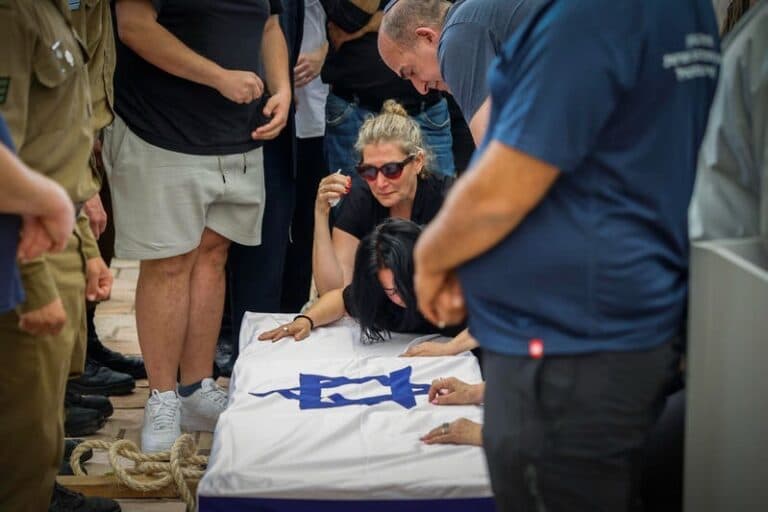
The Palestinian celebration of murder stands in stark contrast to the Jewish and Israeli ethos, rooted in Scripture, which upholds life as sacred above all. The Book of Proverbs (3:18) declares of the word of God: “It is a tree of life for those who grasp it, and those who draw near it are fortunate”; a verse recited daily in synagogues around the world. In the biblical worldview that has shaped Israeli society, the calling is to choose life, to sanctify it, and to build rather than destroy, even in the face of relentless hostility.
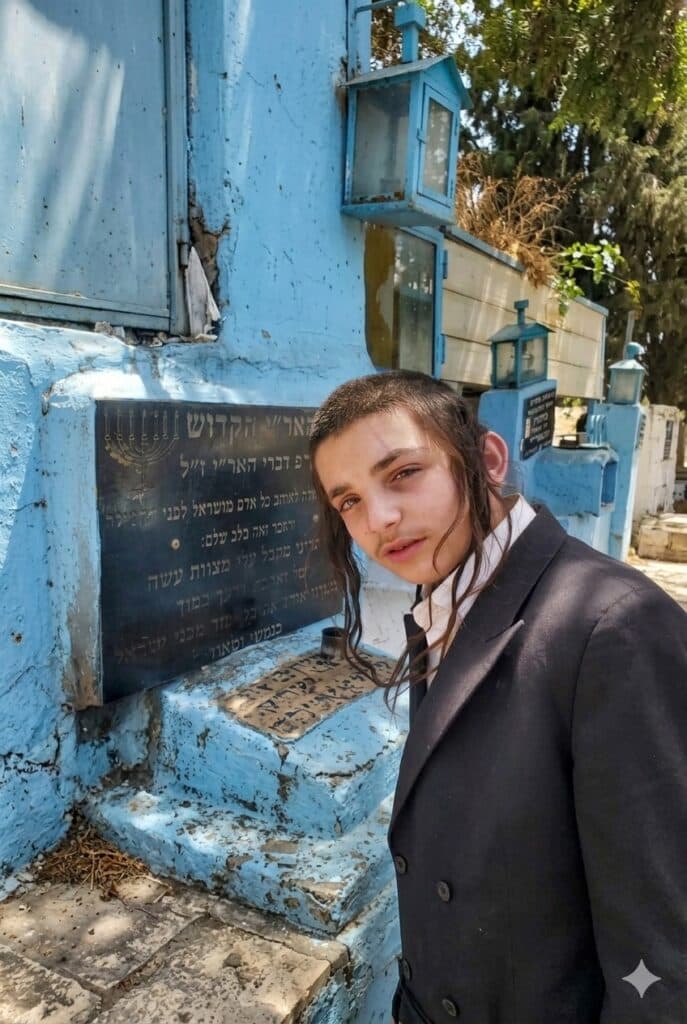
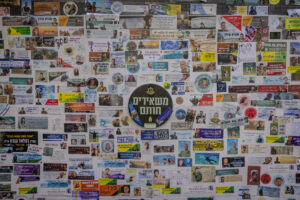
A recent phenomenon of the war is the idea of remembering fallen heroes by producing stickers, posted all over the country, bearing alongside their photo, sentences and slogans they left behind as a legacy, or capture the way they lived. None of them glorify death or murder; all urge their fellow human beings to live well, adding light, joy and sacrifice to the world.
Discussion0
No comments yet — be the first to share your thoughts.