Weapons, Strategy, and Faith: U.S.-Israel Alliance Deepens Amid Regional Challenges
U.S. Admiral Brad Cooper’s visit to Israel highlighted the deepening military cooperation between the two nations, with discussions focusing on joint readiness, regional threats, and delayed weapons shipments.

by Sinai Staff
A Testament to Cooperation and Strength
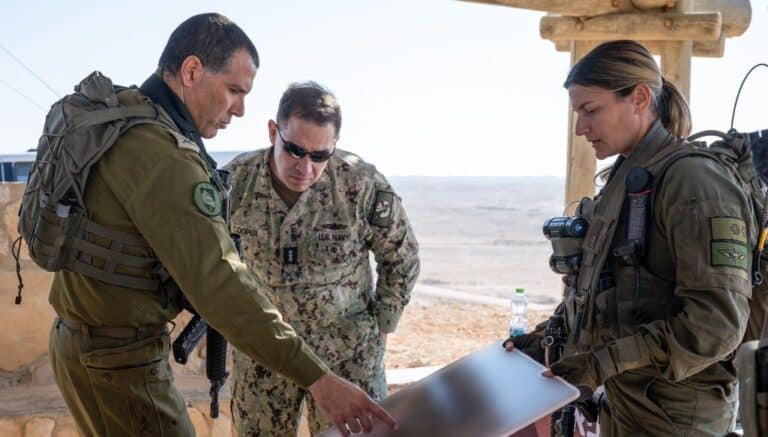
Last week, Vice Commander of U.S. Central Command (CENTCOM), Admiral Brad Cooper, visited Israel, holding pivotal discussions with Deputy IDF Chief of Staff Major General Amir Baram. The visit underscored the unwavering partnership between the United States and Israel, focusing on joint military readiness, weapons shipments, and addressing regional threats. With President-elect Trump poised to take office, the alliance enters a new phase of strategic cooperation rooted in shared values and a commitment to security in the Middle East.
Throughout the week, Admiral Cooper and Major General Baram toured key Israeli Air Force bases, including the Nevatim base, to review military capabilities and discuss ongoing U.S.-Israel collaborations. These talks emphasized countermeasures against threats from Yemen and bolstering Israel’s regional defense network.

Challenges with Delayed Weapons Shipments
A pressing topic during the meetings was the delay in U.S. weapons shipments to Israel, including approximately 1,300 heavy bombs critical for defense operations. The delays, attributed to U.S. concerns about potential civilian risks, have impacted Israel’s operational efficiency and readiness, particularly during recent combat in Gaza and southern Lebanon. Additionally, a shortage of engineering vehicles has forced the IDF to rely on private contractors, further hampering readiness during critical ground missions.
The next shipment, expected soon, includes 1,700 heavy bombs and 134 armored D9 bulldozers—essential for clearing explosives and tunnels in urban areas. These tools will play a pivotal role in ensuring Israeli soldiers are prepared for any scenario.
Regional Challenges and Trump’s Leadership
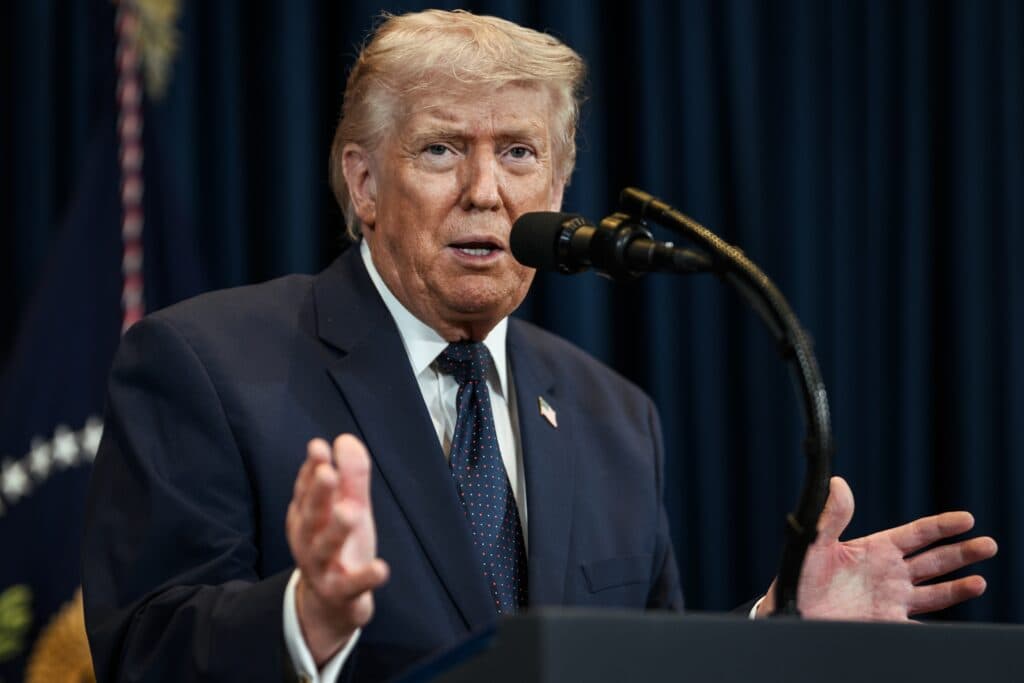
As President-elect Trump prepares to take office, the future of U.S. policy in the Middle East, particularly regarding Iran, remains a central focus. Trump has avoided detailing his stance on potential Israeli or U.S. action against Iran or its nuclear facilities, stating, “That’s not something I’d ever answer.” His administration’s approach will undoubtedly shape the next chapter of the U.S.-Israel partnership.
The U.S.-Israel partnership underscores the vital importance both nations place on military and strategic collaboration, focusing on releasing delayed arms shipments and preparing for potential regional conflicts. The key question remains whether this strengthened alliance will lead to direct military action or serve primarily as a deterrent to adversaries.
Shared Destiny
The U.S.-Israel alliance is more than a strategic partnership—it is a bond rooted in shared values. The bible tells us of the importance of partnership and collaboration to face joint threats: “Though one may be overpowered, two can defend themselves. A cord of three strands is not quickly broken.” – Ecclesiastes 4:12

Discussion0
No comments yet — be the first to share your thoughts.