U.S. Strikes Iran After Hormuz Attacks
CENTCOM Iran strikes followed attacks on commercial vessels in Hormuz, with major implications for U.S. deterrence and Israel

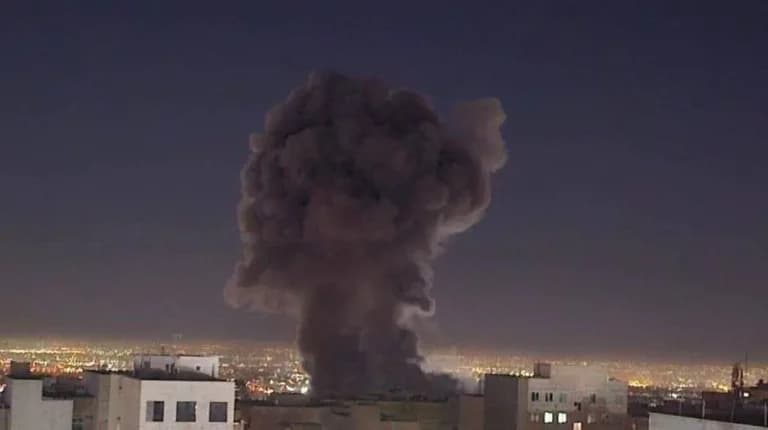
U.S. Central Command said American forces launched powerful strikes against Iran after Tehran targeted commercial vessels in the Strait of Hormuz.
CENTCOM said the strikes aim to impose “heavy costs” on Iran for targeting commercial shipping in an international waterway.
The command said Iran attacked three commercial vessels in the Strait of Hormuz. Those ships carried innocent civilian crews. “Iran’s demonstrated aggression was unwarranted, dangerous, and a clear violation of the ceasefire,” Central Command said.
The Tanakh says, “Deliver those who are drawn toward death.” In Hormuz, that principle applies to sailors, shipping crews, and the free movement of commerce.
CENTCOM Iran Strikes
The U.S. response marks a major escalation after attacks near the Strait of Hormuz.
The waterway remains one of the world’s most important energy corridors. Any attack there can threaten oil, liquefied natural gas, shipping insurance, military movement, and global markets.
CENTCOM framed the strikes as a direct response to Iranian aggression.
That matters because Iran had violated the ceasefire framework by targeting commercial vessels, according to the U.S. statement.
For Washington, the decision sends a clear message. Attacks on civilian crews and international shipping will bring military consequences.
Why It Matters For America And Israel
For the United States, the strikes test deterrence.
If Iran can attack vessels in Hormuz without a serious response, it can pressure Gulf partners and raise energy prices. It can also weaken American credibility across the region.
The U.S. response protects more than shipping. It protects the principle that international waterways cannot become hostage zones for the Iranian regime.
For Israel, the issue connects directly to Iran’s wider strategy.
Tehran uses several pressure fronts at once. It threatens Israel through Hezbollah, Hamas, Islamic Jihad, the Houthis, and militias across the region. At sea, it uses maritime attacks to raise the cost of confronting the regime.
That point also connects to “Five Tankers Reportedly Attacked Near Hormuz.” OSINT sources reported five tankers attacked near the Strait of Hormuz. The report raised new concerns for U.S. deterrence, Gulf energy routes, and Israel’s security.
CENTCOM’s response shows that those warnings were not abstract. The attacks forced a direct American military answer.
A Shared Moral Calling
For America, the strikes defend freedom of navigation and innocent civilian crews.
For Israel, they push back against the same Iranian system that funds terror, arms proxies, and threatens the Jewish state.
The United States and Israel also share a covenantal understanding before God.
America’s covenantal tradition rests on liberty under God, ordered justice, and moral responsibility. Israel’s covenant is older and unique. It rests on God’s promise, Jewish peoplehood, Torah, and the return to the land of Israel.
Those covenants are not identical. However, they meet in a shared calling: defend life, resist tyranny, and refuse to let violent regimes dominate the innocent.
In this story, that shared calling means protecting commercial crews, standing with allies, and keeping Iran from turning Hormuz into a weapon.
For Israel, that duty includes confronting Iran’s military, proxy, and maritime pressure. For America, it includes enforcing red lines and proving that ceasefire violations have consequences.
CENTCOM’s strikes therefore carry a larger message. Iran broke the ceasefire by targeting commercial vessels. The United States answered with force. For both America and Israel, that response may help restore deterrence at a moment when weakness would invite the next attack.
For more stories on Israel, faith, and the values behind the headlines, follow Sinai on Facebook and Instagram.
Discussion0
No comments yet — be the first to share your thoughts.