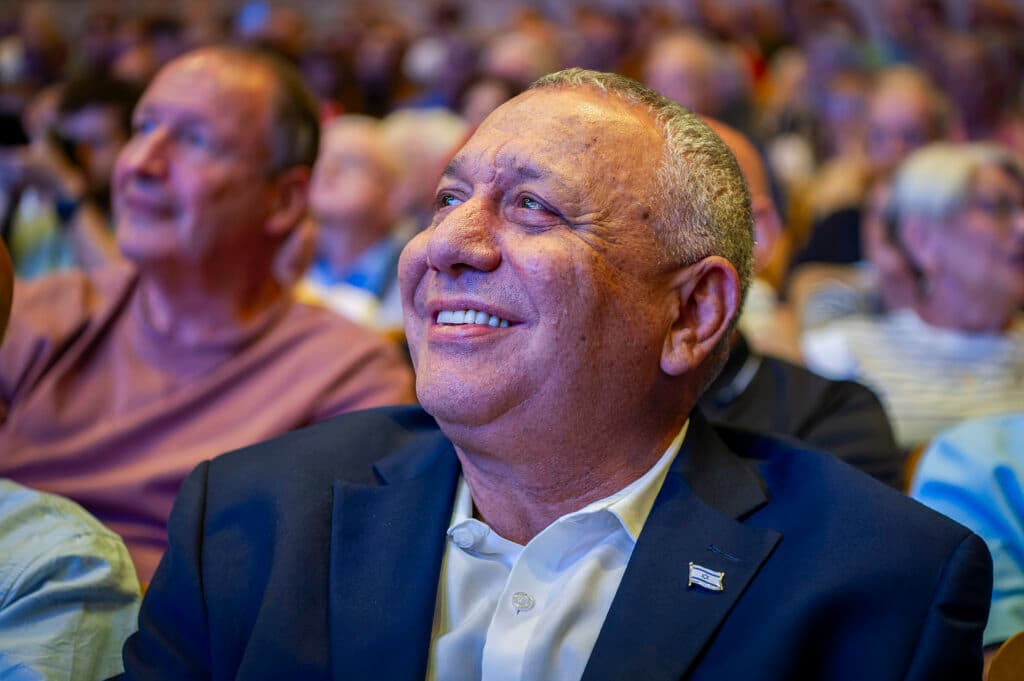
Police Withdraw Indictment Against Tzav 9 Chairwoman
Israel Police withdrew the indictment against Tzav 9 chairwoman Reut Ben Haim after public pressure over aid-truck protests against Hamas.

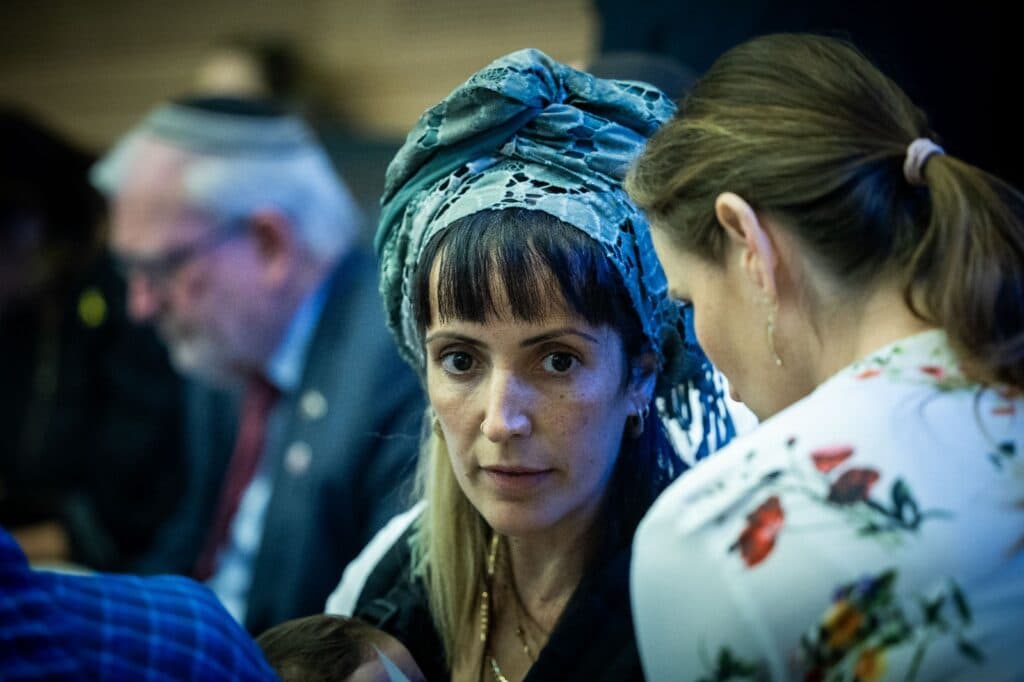
The Tzav 9 indictment against chairwoman Reut Ben Haim was withdrawn after public pressure over the blocking of aid trucks to Hamas.
Israel Police informed the court that it was withdrawing the indictment filed against Ben Haim. The case centered on protests against aid trucks entering Gaza during the war.
Following the police notice, the court canceled the indictment.
The Tanakh says, “Justice, justice shall you pursue.” In this case, the public argument was not only legal. It was also moral, national, and deeply tied to Israel’s wartime responsibility.
Tzav 9 Indictment Withdrawn
Ben Haim welcomed the decision and said the public campaign had succeeded.
“Public pressure, spirit, and courage prevailed,” she said.
“I want to thank the thousands of supporters from every sector and shade of Israeli society,” Ben Haim added. “Thanks to them, the absurd indictment against me has been stopped.”
She then promised to continue the campaign.
“We promise to keep acting, now with the force multiplier you have given us, against the failure of transferring aid to Hamas, which is being done alongside the start of Gaza’s reconstruction far from the public eye and while placing the border communities at risk,” she said.
“We will not stop until we win this fight as well. In service of the people and for the sake of the state.”
Aid, Hamas, And The Postwar Question
The case touches one of Israel’s hardest wartime questions.
How can aid reach civilians without strengthening Hamas?
That same concern also stands behind “Israeli Foreign Minister: Hamas Wants A “Hezbollah Model” In Gaza.” Foreign Minister Gideon Sa’ar warned that Hamas’s technocratic government proposal aims to preserve its weapons and copy Hezbollah’s model in Gaza.
That warning matters here.
If Hamas keeps military power while others handle civilian administration, aid and reconstruction can become part of the same danger. They can stabilize a terror structure instead of replacing it.
For Israel, the issue is immediate. Border communities cannot return to danger under a new name. Humanitarian policy cannot ignore who controls the ground.
For the United States, the issue is also central.
Washington has a strong interest in preventing a postwar Gaza framework that leaves Hamas armed, funded, and politically alive. American support for reconstruction must not become indirect support for the same terror infrastructure that led to October 7.
A Shared Moral Calling
The United States and Israel both face the same strategic test in Gaza.
They must protect innocent life without rewarding terrorism. They must support humanitarian responsibility without allowing Hamas to exploit it.
The United States and Israel also share a covenantal understanding before God.
America’s covenantal tradition rests on liberty under God, ordered justice, and moral responsibility. Israel’s covenant is older and unique. It rests on God’s promise, Jewish peoplehood, Torah, and the return to the land of Israel.
Those covenants are not identical. However, they meet in a shared calling: defend life, resist evil, and ensure that compassion does not become surrender to terror.
In this story, that shared calling means demanding moral clarity about Gaza aid and reconstruction.
For Israel, it means protecting border communities and preventing Hamas from rebuilding power. For America, it means backing a postwar policy that separates real humanitarian relief from terror survival.
The withdrawal of the indictment therefore carries meaning beyond one activist. It shows that many Israelis still demand a policy that places victory, security, and national responsibility at the center of the Gaza debate.
For more stories on Israel, faith, and the values behind the headlines, follow Sinai on Facebook and Instagram.
Discussion0
No comments yet — be the first to share your thoughts.