Trump Vows U.S. Control Of Hormuz, Iran Warns Region
Trump said the U.S. will control and guard the Strait of Hormuz, while Iran warned regional countries against helping American forces

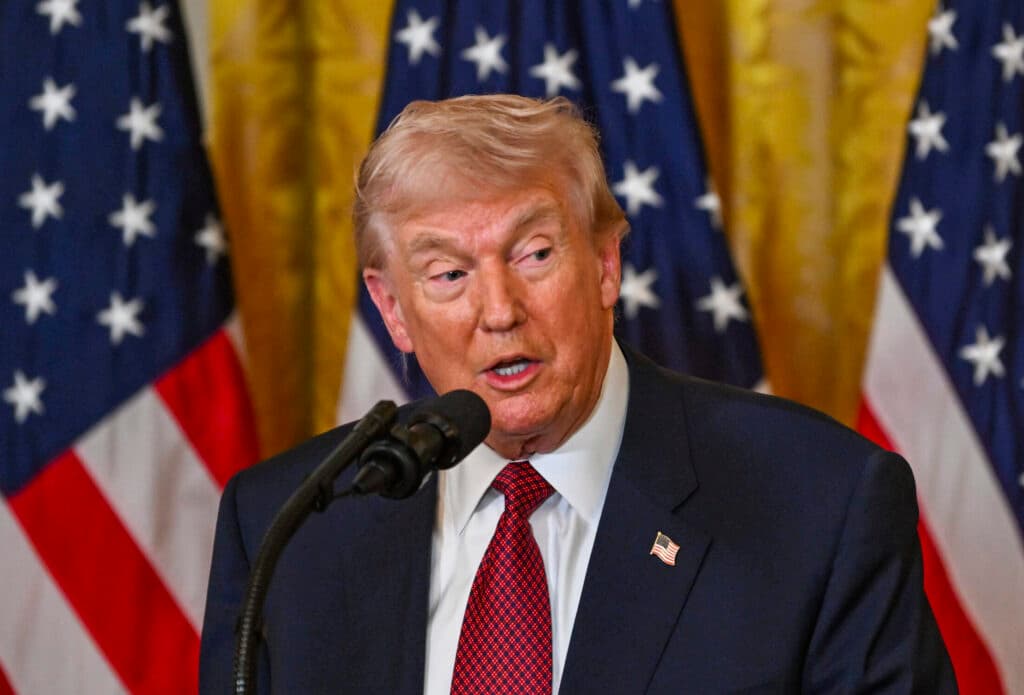
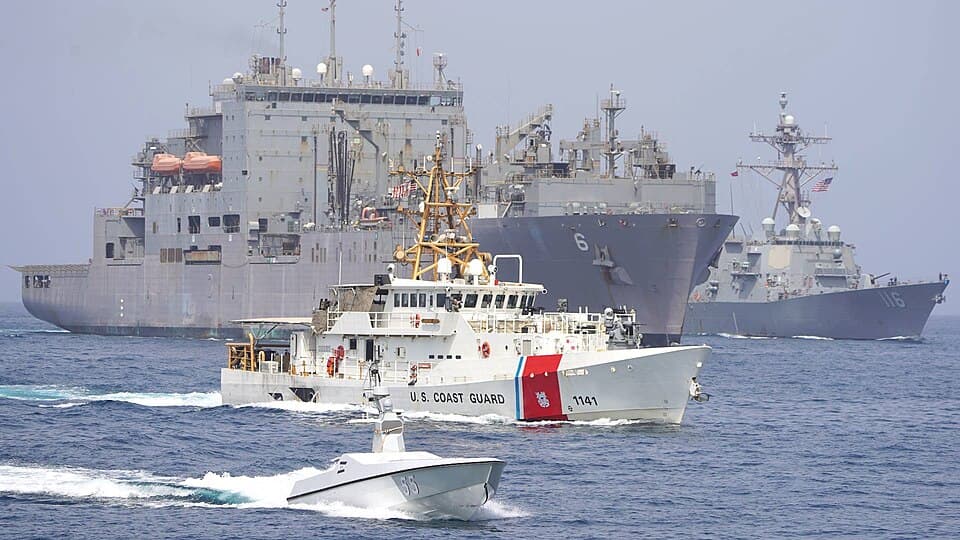
Strait of Hormuz control became the center of a new U.S.-Iran confrontation after President Donald Trump said America would seize and manage the waterway.
Trump addressed Iran’s attempt to control the Strait of Hormuz and said the United States would take over the route.
“We will seize the strait,” Trump said. “Most likely, we will also manage it.”
He added that the United States would become “the guardians of the strait” and receive compensation for that role.
“We protected the strait for 50 years, and we never received payment for it,” Trump said. “We protected it for free, but now we will make money from it.”
The Tanakh says, “The prudent see danger and take refuge.” In Hormuz, danger is not theoretical. It affects shipping, energy, allies, soldiers, and Israel’s security environment.
Strait Of Hormuz Control Fight
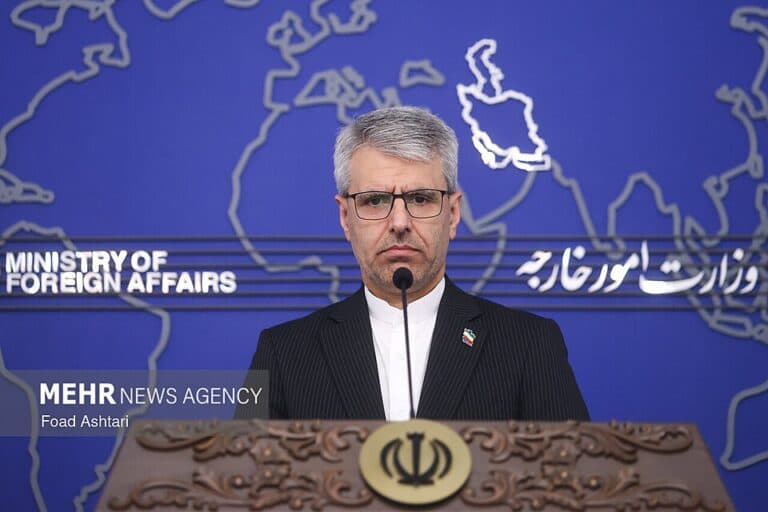
Iran’s Khatam al-Anbiya Headquarters responded with a direct warning.
The Iranian spokesperson said Tehran would not allow the United States to interfere in the management of the Strait of Hormuz “in any way.”
Iran also warned that its armed forces would act against any American attempt to disrupt oil tankers or merchant ships outside routes determined by Iran.
The statement called the U.S. military “aggressive and piratical.”
It also pointed to recent actions by the Revolutionary Guards and the Iranian army as proof that Tehran would act decisively.
Then Iran turned its warning toward the region.
The spokesperson warned leaders of regional countries against cooperation with the United States or logistical assistance to American forces.
Iran said such cooperation would count as a declaration of war against Iranian sovereignty and national security.
“If the war expands in the region, its flames will reach all the countries of the region,” the statement warned.
Why It Matters For America And Israel
For the United States, this is a direct test of deterrence.
Iran wants to dictate the rules of one of the world’s most important maritime corridors. Trump’s response says America will not let Tehran turn Hormuz into a tool of extortion.
That context now frames “Trump Reimposes Naval Blockade On Iran.” Trump announced the reimposition of a naval blockade on Iran and a 20% U.S. fee, raising major implications for America, Israel, and Hormuz security.
The latest exchange pushes that confrontation further.
For Israel, Hormuz matters because Iran’s maritime pressure supports the same regional strategy that threatens the Jewish state.
Tehran pressures shipping, threatens Gulf countries, arms proxies, and tries to weaken American influence. Israel faces the military consequences through Hezbollah, Hamas, the Houthis, and other Iranian-backed forces.
A stronger American posture in Hormuz can therefore strengthen Israel’s strategic position.
It can also reassure Gulf states that cooperation with America remains safer than submission to Iran.
A Shared Moral Calling
The United States and Israel both understand that freedom of movement requires strength.
Sea lanes, borders, and trade routes do not stay open by goodwill alone. They stay open when free nations deter those who use violence to control others.
The United States and Israel also share a covenantal understanding before God.
America’s covenantal tradition rests on liberty under God, ordered justice, and moral responsibility. Israel’s covenant is older and unique. It rests on God’s promise, Jewish peoplehood, Torah, and the return to the land of Israel.
Those covenants are not identical. However, they meet in a shared calling: defend freedom, protect innocent life, and resist regimes that turn power into coercion.
In this story, that shared calling means refusing to let Iran bully the region into silence.
For America, it means guarding the waterway and enforcing consequences. For Israel, it means supporting pressure on the regime that fuels terror across the Middle East.
Iran’s warning to regional countries exposes its strategy. It does not only want control of ships. It wants control of governments, alliances, and fear.
Trump’s answer now places the United States directly against that pressure campaign. For both America and Israel, the outcome will shape deterrence far beyond Hormuz.
For more stories on Israel, faith, and the values behind the headlines, follow Sinai on Facebook and Instagram.
Discussion0
No comments yet — be the first to share your thoughts.