Trump Reimposes Naval Blockade On Iran
Trump announced the reimposition of a naval blockade on Iran and a 20% U.S. fee, raising major implications for America, Israel, and Hormuz security

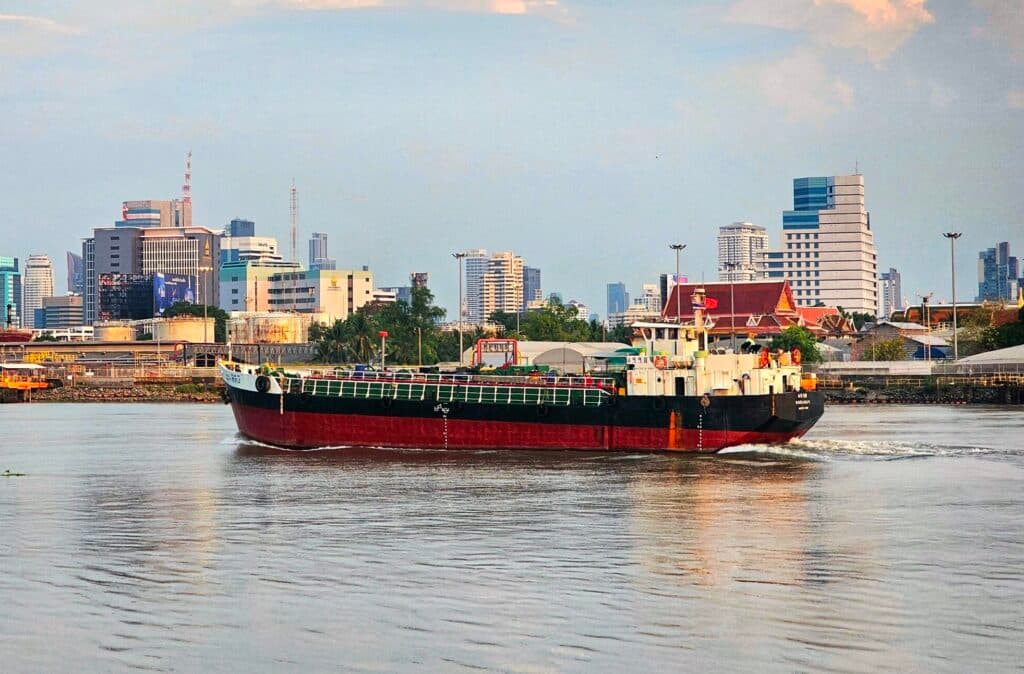
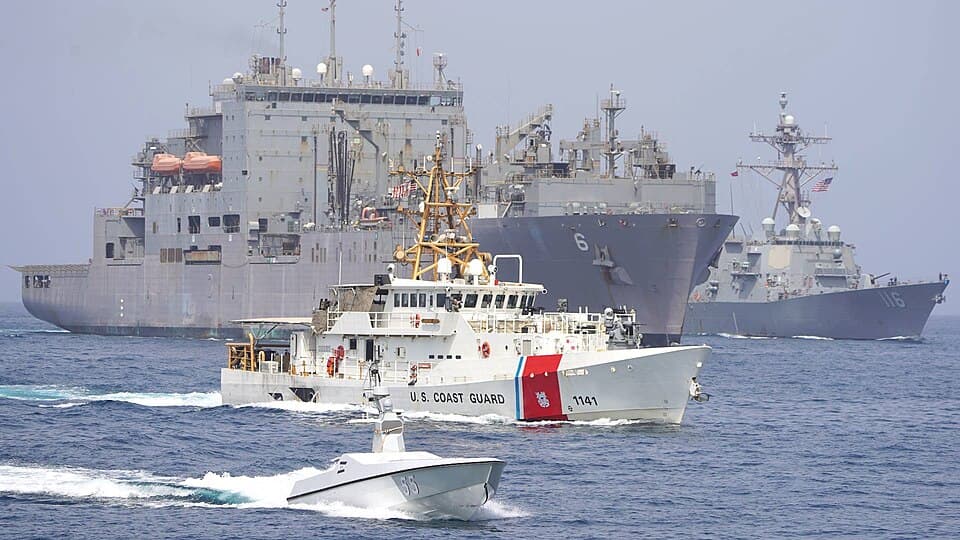
Iran naval blockade policy returned after President Donald Trump announced that the United States is reimposing a naval blockade on Iran.
Trump also announced that the United States will collect a 20% fee, effective immediately, according to the announcement.
The move comes amid escalating pressure around the Strait of Hormuz, one of the world’s most important maritime routes.
The Tanakh says, “The Lord is a man of war.” That verse does not glorify conflict. It reminds nations that evil sometimes requires force, order, and judgment.
Iran Naval Blockade Returns
Trump’s announcement signals a major escalation in U.S. pressure on Iran.
The Strait of Hormuz remains a vital route for global energy shipments, Gulf trade, and military movement. When Iran threatens that route, it threatens more than shipping.
It threatens energy markets, American partners, Israeli security, and the wider free world.
The new 20% fee also changes the economic frame.
Washington is not only saying it will protect the route. It is saying that U.S. power, risk, and naval protection carry a price.
For Iran, the message is direct: attacks, threats, and coercion in Hormuz will bring immediate consequences.
Why It Matters For Israel And America
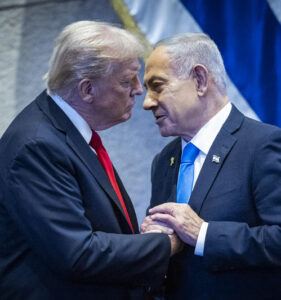
For the United States, the blockade tests deterrence.
If Iran can attack ships, threaten Gulf states, and pressure American forces without paying a price, Tehran will keep expanding the confrontation.
That concern also connects to “Iran Claims Strikes On U.S. Gulf Targets.” Iran claimed UAV attacks on American targets in Qatar, Bahrain, and Kuwait after U.S. strikes, raising new concerns for U.S. deterrence and Israel’s security.
Trump’s blockade announcement now answers that wider pattern.
For Israel, the impact is strategic.
Iran does not separate its maritime pressure from its war against the Jewish state. It uses the same system to threaten shipping, arm Hezbollah, support Hamas, fund the Houthis, and destabilize the region.
Therefore, pressure on Iran’s shipping and revenue lines can support Israel’s security.
A stronger American posture in Hormuz also reassures regional partners that Washington will not allow Iran to dictate the rules of trade and war.
A Shared Moral Calling
The United States and Israel both understand that peace requires strength.
Open sea lanes, protected allies, and secure borders do not happen by accident. They require power guided by moral purpose.
The United States and Israel also share a covenantal understanding before God.
America’s covenantal tradition rests on liberty under God, ordered justice, and moral responsibility. Israel’s covenant is older and unique. It rests on God’s promise, Jewish peoplehood, Torah, and the return to the land of Israel.
Those covenants are not identical. However, they meet in a shared calling: defend freedom, protect innocent life, and resist regimes that use violence to dominate others.
In this story, that shared calling means refusing to let Iran turn the Strait of Hormuz into a weapon.
For America, it means enforcing red lines and defending global commerce. For Israel, it means weakening the same Iranian regime that threatens its people through missiles, proxies, and terror networks.
Trump’s decision now places economic and naval pressure back at the center of the Iran confrontation. It tells Tehran that America will not only respond to attacks. It will also shape the battlefield, protect the route, and impose costs.
For more stories on Israel, faith, and the values behind the headlines, follow Sinai on Facebook and Instagram.
Discussion0
No comments yet — be the first to share your thoughts.