Tehran Professor Openly Reveals Young Iranians Hate Palestinians and Admire Netanyahu
Young Iranians are increasingly rejecting the regime’s pro-Palestinian stance, viewing Benjamin Netanyahu as a symbol of independence and defiance against their government’s oppressive policies. Watch the video.

By Yoav Bowman
Opinion contributor··2 min read
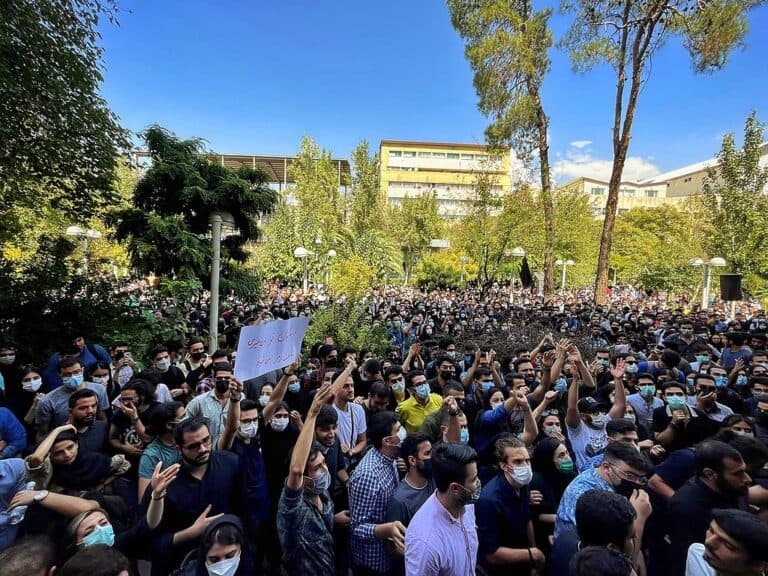
During a recent academic conference in Qatar, Professor Sadegh Zibakalam from the University of Tehran revealed a striking generational shift in Iran: growing disdain among young Iranians for Palestinians and increasing admiration for Israeli Prime Minister Benjamin Netanyahu as reported today (Monday) by the Iranian diaspora news site Iran International.
Zibakalam noted, “If someone had told me in the past that young Iranians would praise Netanyahu, I would have thought it was a joke. But over the past 15 months, I have seen it with my own eyes — the high level of hatred toward Palestinians and the desire to end with the regime’s support for them.”

Benjamin Netanyahu Represents Independence and Courage in the Eyes of Iran’s Youth
Zibakalam explained that the Iranian regime’s financial and ideological backing of Palestinians and terrorist organizations like Hamas has alienated Iran’s youth. “The youth do not hate Palestinians because they understand the details of the Israeli-Palestinian conflict. Rather, Palestinians are perceived as tied to the regime, to Iran’s leaders, and to everything they oppose,” he said.
In contrast, Benjamin Netanyahu has become a positive figure and a symbol of resistance against the oppressive regime and its ideology. “Netanyahu, in their eyes, represents independence and courage. This has nothing to do with the Likud party or Israel itself but is rooted in opposition to the regime that dictates their lives,” he said.

Netanyahu, admired in Iran | Photo: Haim Zach, GPOWatch Zibakalam’s post on Iranian youth’s opinions (English):
View this post on Instagram
Iran’s government, notorious for funding terrorism through proxies, spends billions supporting groups like Hamas while neglecting the welfare of its citizens. For Iran’s youth, this misallocation of resources has fueled frustration and opposition. As King Solomon wrote: “When the righteous are in authority, the people rejoice: but when the wicked rule, the people mourn.” – Proverbs 29:2. So, too, Iran’s youth feel the burden under the Ayatollahs’ reign.
Zibakalam’s insights also reveal a widening gap between the Iranian regime’s pro-Palestinian propaganda, exemplified by Basij militia demonstrations, and the aspirations of Iran’s youth. This generational shift reflects their rejection of the Ayatollahs’ oppressive agenda and a yearning for a future defined by freedom, independence, and a break from the regime’s ideological constraints.
Discussion0
No comments yet — be the first to share your thoughts.