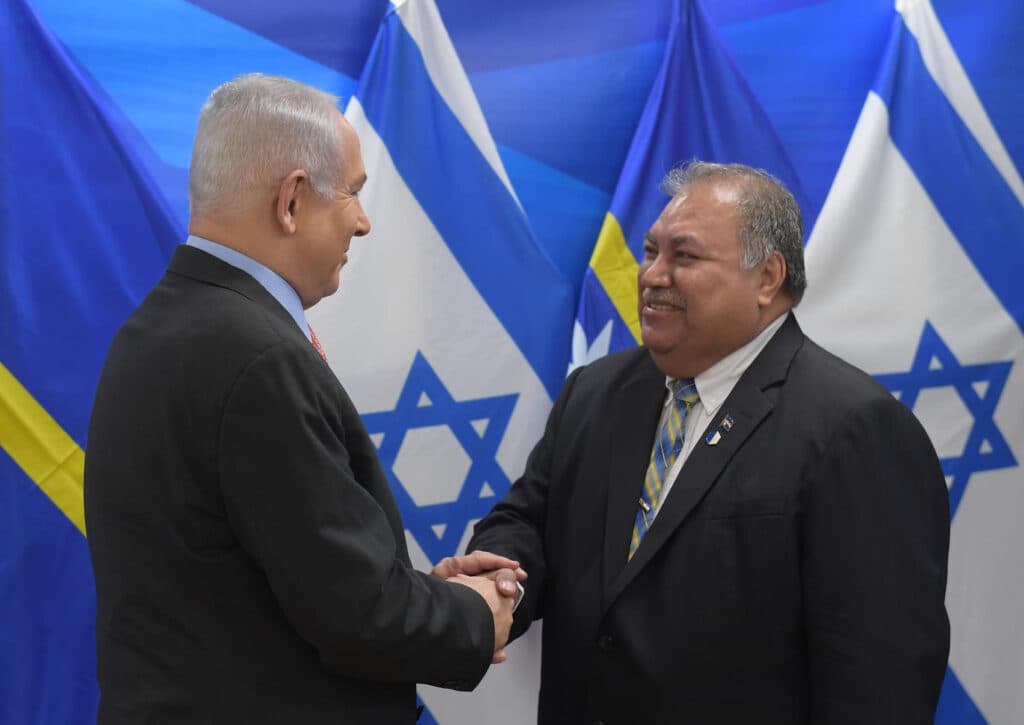
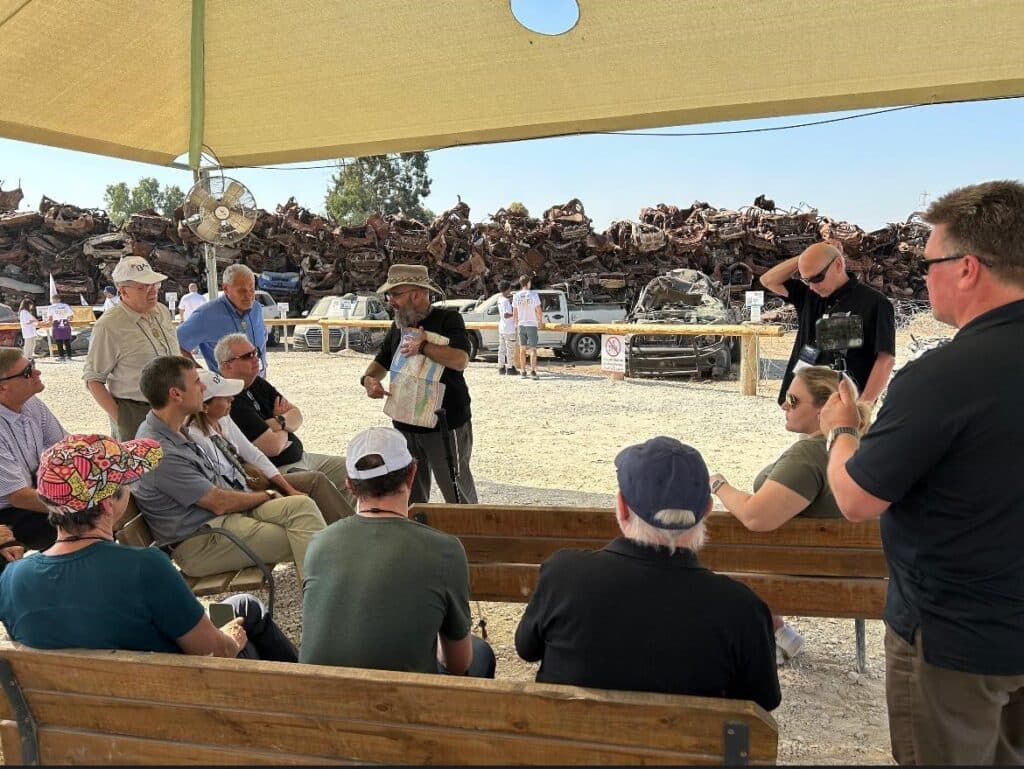

Solidarity mission hosted by Lifeshield. | Photo: Lifeshield
We’ve often been told that southern Israel is a barren desert. But here’s a spoiler: as you travel south, you’ll be greeted by miles and miles of lush, green fields stretching as far as the eye can see.
While news reports have focused on the devastation, and there is much destruction, the resilience of the Israeli people has shone through. Their unwavering determination to rebuild, return to their homes, and resume their lives stands as a powerful testament to their faith and commitment to the land.
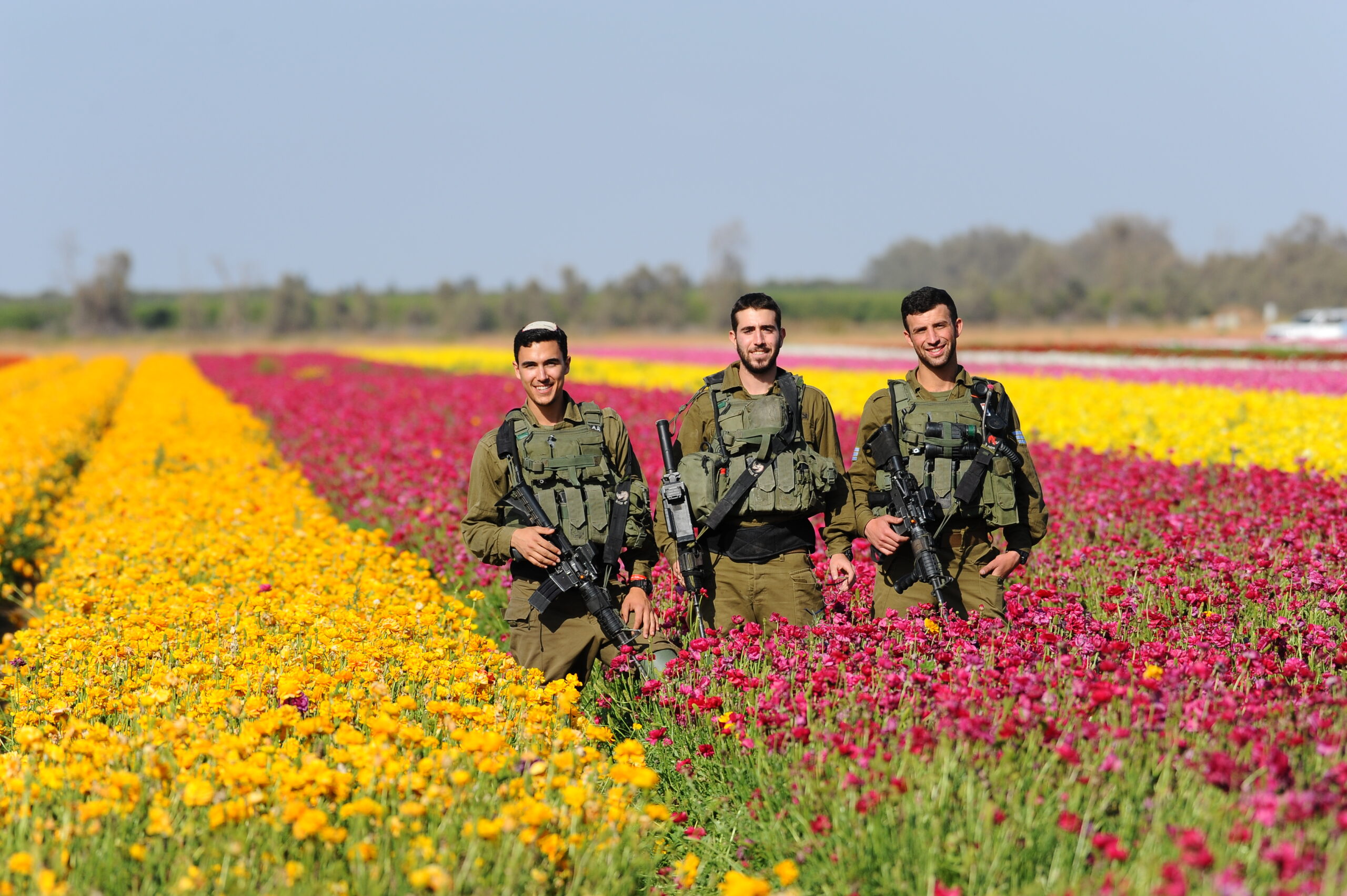
Solidarity Missions to Southern Israel See Grief, Pain, and Stunning Beauty
It’s striking, as we visit these memorials, to be surrounded by grief, pain, and yet, stunning beauty. The sound of distant explosions sometimes breaks the stillness as we gaze out over what appears to be peaceful. Each community, whether a kibbutz or moshav, faces the difficult decision of whether to return, under what conditions, and when. Many of these places remain closed to the public, either due to concerns over privacy and the impact of “dark tourism”, or the ongoing rebuilding efforts.
Here are several public memorials that stand as powerful witnesses to the horrors of October 7, while also reflecting the love and solidarity that have come from the Zionist community and supporters around the world.
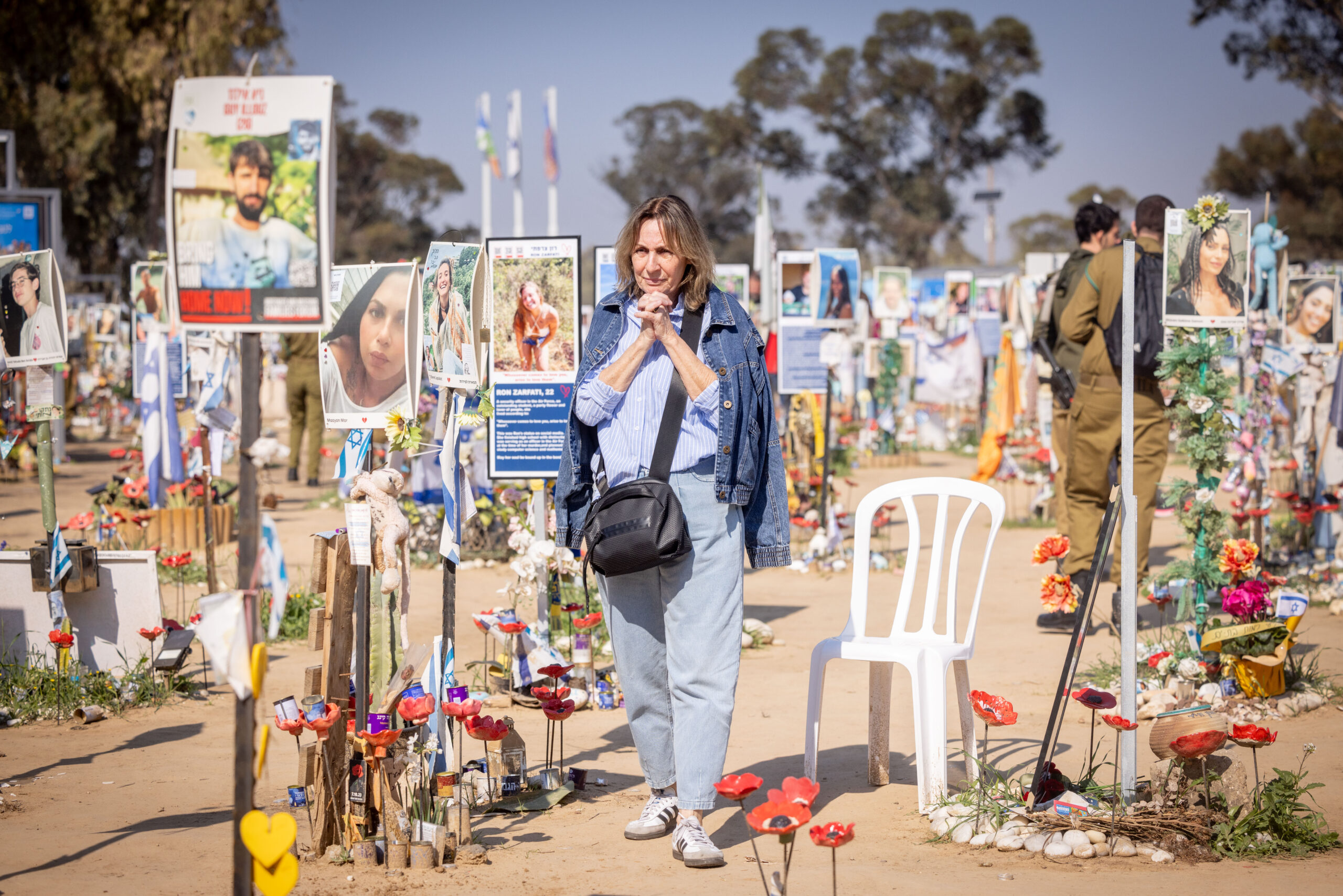
Re’im Forest – The Nova Festival Ground
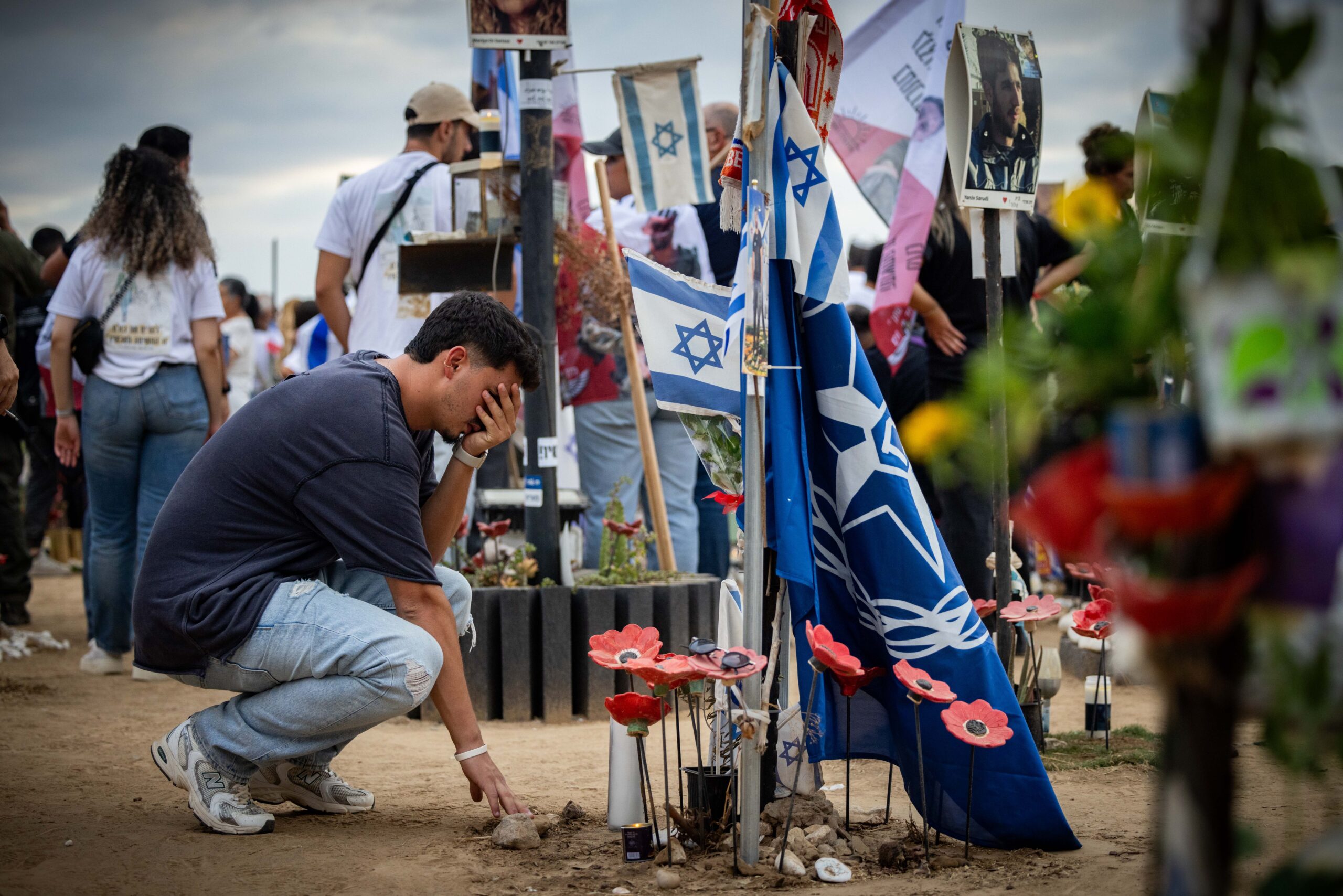
The music festival that took place in early October, brought together hundreds of young people. Tragically, when terrorists breached the border, this peaceful gathering was one of the first to be targeted. Nearly 400 people were killed, and over 40 were taken hostage. In their memory, each victim is honored with a poster displaying their name and a short biography, mounted on posts. Families and friends have decorated the area, leaving poems, mementos, and tributes. As a result, this memorial area has transformed into a colorful forest of metal trees, each bearing a piece of someone’s memory.
Behind what is now a parking lot, new trees are being planted—hopefully, 12,000 in total, with ten trees for each of the 1,200 victims of the October 7th massacre.
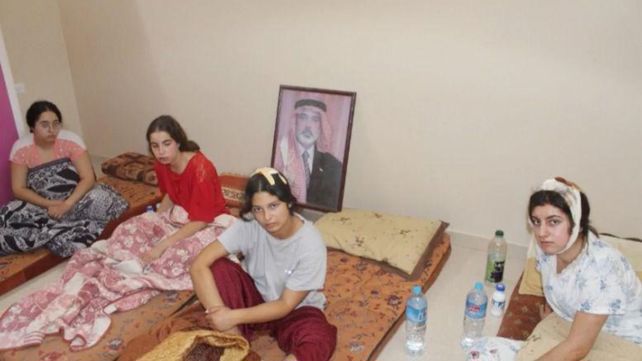
Tatzpitaniot Lookout – Memorial for Female Border Observers
The Nachal Oz army base was known for its strategic placement, where young women soldiers were tasked with monitoring the border fence for any irregularities. For weeks, these women reported unusual occurrences, but their warnings were ignored due to internal failures. Tragically, on October 7, 16 of these soldiers were killed. Their families wanted to remember them in a way that reflected the lives they led—watching over the land they so courageously defended. The Jewish National Fund (JNF) allowed them to build a lookout deck in the middle of a sunflower field, where visitors can now view the same scene their daughters saw while guarding the nation.
Tekuma Car Park
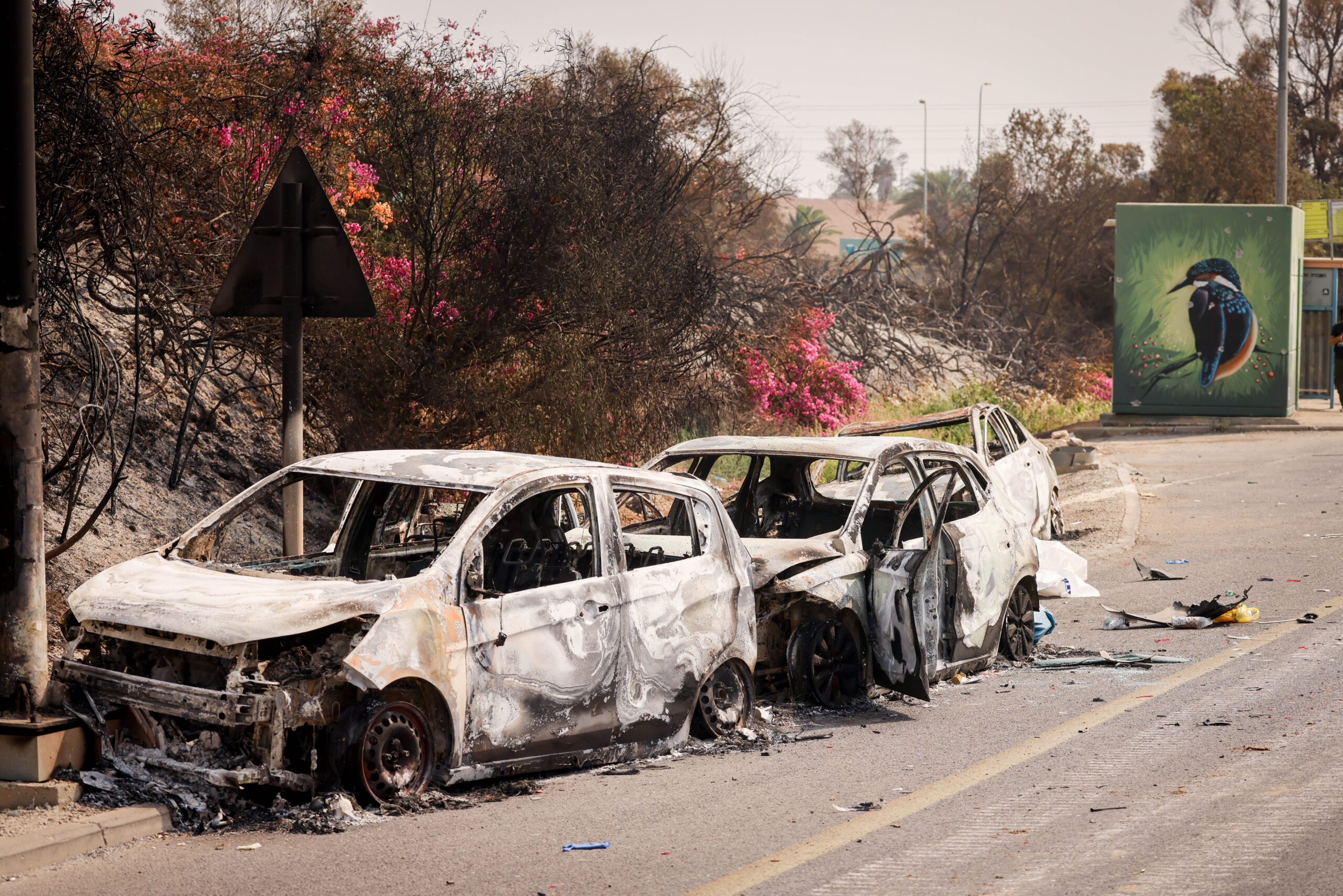
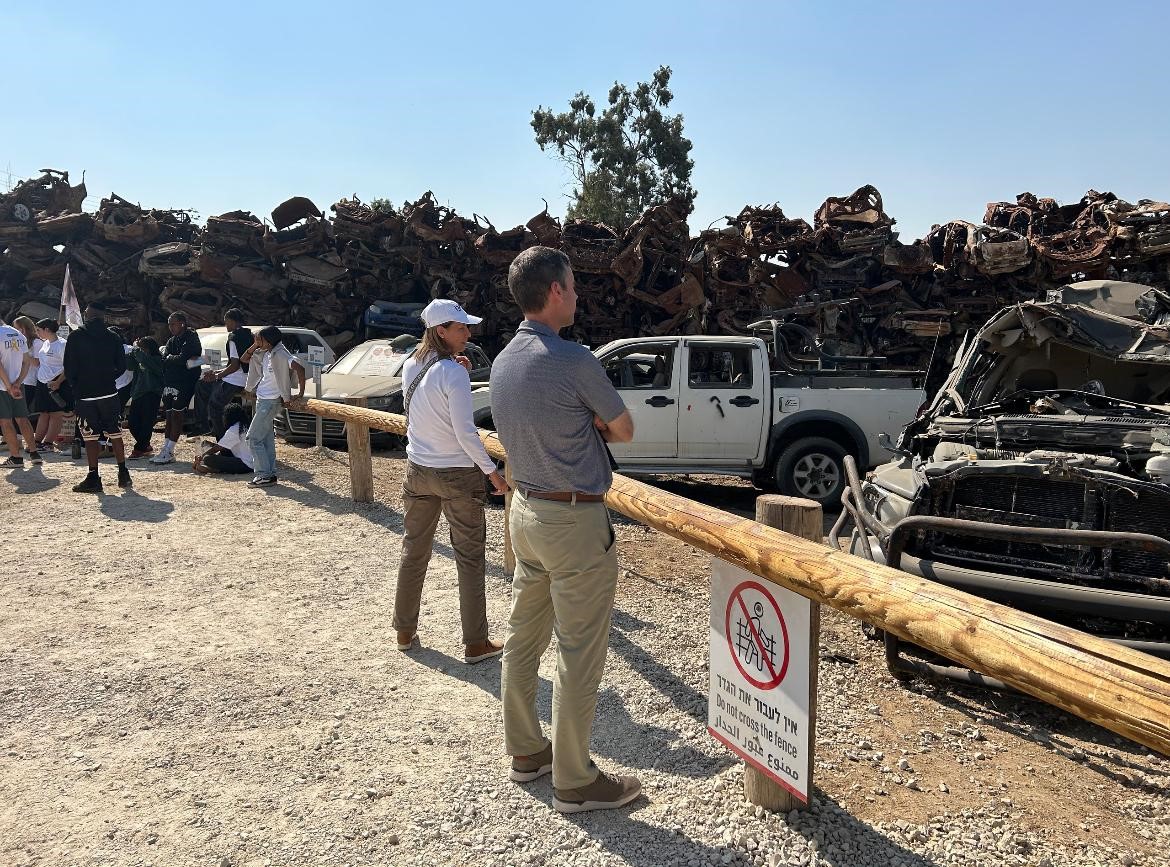
Once an agricultural field, this area is now filled with the remains of burnt cars. On October 7, Hamas terrorists, disguised as Israeli soldiers, ambushed travelers along Road 232, the main route connecting farming communities in the Gaza envelope. They shot at every car, killing festival-goers, vacationers, and even heroes attempting to rescue others. The road was blocked by stalled vehicles, making it impossible for the Israeli Defense Forces to reach those in need.
After respectfully being processed for identification, these vehicles were placed in a memorial lot. QR codes allow visitors to remember the lives lost, along with the bravery and heroism displayed in the face of terror.
A Symbol of Resilience: The Anemones
At all these memorials, you’ll find red flowers made of ceramic or metal—symbolizing the anemones that bloom in the Gaza envelope each February. Though some of these beautiful flowers were tragically “plucked” too soon, the people of Israel remain rooted in the land, committed to continuing to thrive and bloom.
In visiting these memorials, we stand in solidarity with the victims and their families.
Esti Herskowitz is a licensed guide in Israel. She’s addicted to biblical archaeology, the natural beauty of the Land of Israel, and powerful stories from Israel’s history. Contact her for tours at Esti.h.tours@gmail.com
Discussion0
No comments yet — be the first to share your thoughts.