Mohammad Bagher Ghalibaf Warns U.S. of Harsher Strikes
Mohammad Bagher Ghalibaf says Iran has ended “proportionate responses” and will answer future U.S. attacks with faster and more painful strikes


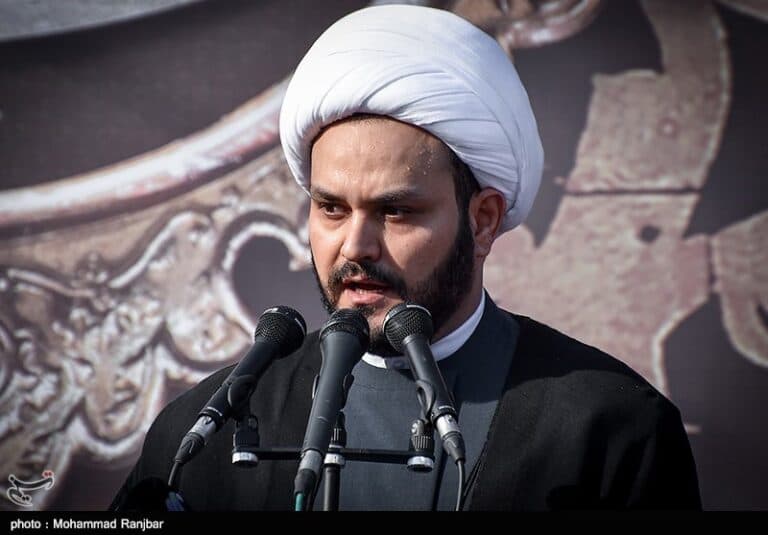
Mohammad Bagher Ghalibaf warned Sunday that Iran has abandoned what he called the era of “proportionate responses” to American military action. The Iranian parliament speaker said future attacks on Iranian interests would bring retaliation that is “faster, heavier and more painful.” His comments followed another exchange between U.S. and Iranian forces in the Persian Gulf. Tehran is now openly signaling that it intends to raise the cost of every future confrontation.
“The rules of the game have changed,” Ghalibaf declared. He described Iran’s recent attacks against American positions as only “the beginning.” Tehran wants Washington to believe that each new strike will produce a more severe Iranian response. That strategy, however, also leaves Iran less room to de-escalate without appearing weak.
Proverbs 16:18 warns, “Pride goes before destruction, and a haughty spirit before a fall.” The warning has particular weight in a conflict driven increasingly by threats of greater retaliation. Iran, the United States, and Israel all possess the ability to impose enormous costs. Escalatory rhetoric can therefore create consequences far beyond what any government initially intends.
Mohammad Bagher Ghalibaf Says the ‘Rules Have Changed’
Ghalibaf issued his warning after another round of U.S.-Iranian military exchanges. American forces struck Iranian targets after attacks and threats against U.S. personnel and assets in the region. Iran then promised further retaliation and portrayed its response as evidence that Washington could not force Tehran to retreat.
The confrontation now involves more than battlefield damage. Both governments are also fighting over deterrence and political perception. Iran wants to show that American strikes cannot intimidate it, while Washington wants Tehran to understand that attacks on U.S. forces carry consequences. Ghalibaf’s declaration attempts to shift that calculation by promising that future Iranian retaliation will no longer remain proportionate.
That approach creates its own danger. If Tehran publicly commits itself to making each response “heavier” than the last, Iranian leaders may feel pressure to escalate even when restraint would better serve their interests. Military doctrine can become political theater, especially when leaders fear that backing down will look like weakness. The result can be an escalation cycle in which both sides believe the other must absorb the next blow.
Iran’s leadership is making those threats while also acknowledging serious economic strain. Ghalibaf has pointed to inflation, unemployment, currency instability, and growing pressure on ordinary Iranians. Tehran has also taken emergency steps to manage what officials describe as an economic war. The contrast is striking: Iran is promising more costly military confrontation while struggling to absorb the economic consequences of the conflict already underway.
Tehran Faces American and Israeli Deterrence
The confrontation does not stop with Washington. Israel remains central because Tehran has repeatedly threatened the Jewish state while supporting missile, drone, nuclear, and proxy capabilities directed against it. Israeli leaders have made clear that they will not allow Iran to convert regional pressure into another attack on Israeli civilians.
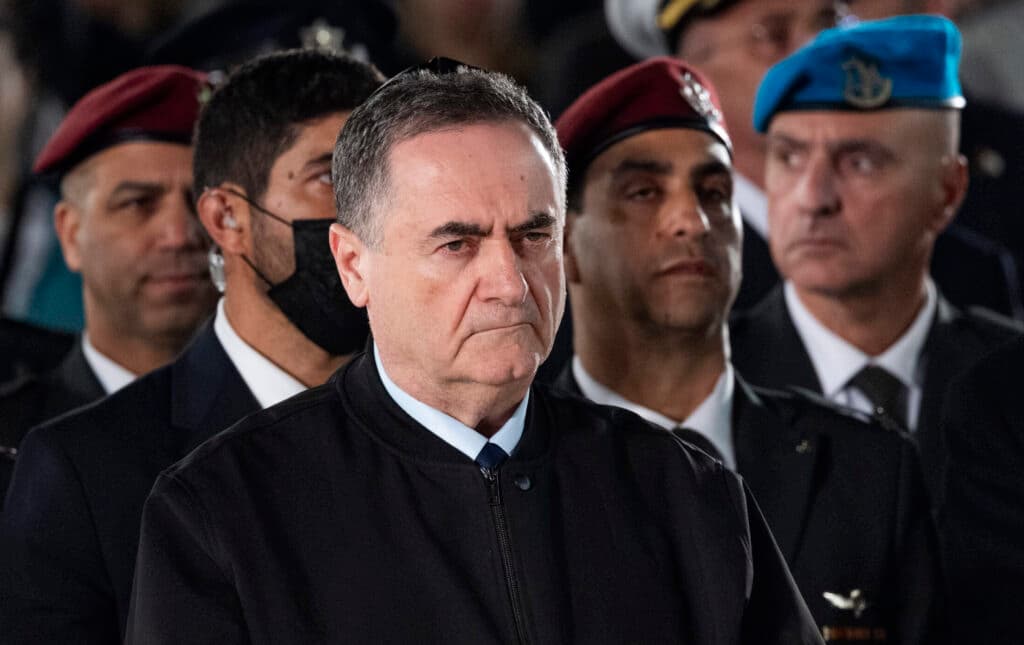
That warning appeared clearly in “Israel Katz Warns Iran of ‘Stone Age’ Response.” Defense Minister Israel Katz said another Iranian attack on Israel would remove Israel’s remaining restraints. He warned that Israel could strike infrastructure across Iran, including its energy sector. Ghalibaf’s latest comments now place that Israeli warning beside Tehran’s promise of increasingly painful retaliation.

The competing messages reveal the danger of the present moment. Ghalibaf says the era of proportional responses has ended, while Katz says another attack could remove Israeli restraint altogether. Neither statement guarantees further escalation, but both are designed to convince the other side that the next attack could produce consequences far greater than the last.
There is also a difference in how each side frames its deterrence. Washington says it is responding to attacks on American forces and threats to international navigation. Israel presents its warnings as necessary to prevent attacks against Israeli territory and civilians. Tehran, meanwhile, says it will expand the severity of its response whenever it judges Iranian interests to have come under attack.
Iran can also impose costs far beyond the countries directly fighting it. Tehran has threatened maritime traffic in the Strait of Hormuz and demonstrated its ability to pressure Gulf states and international commerce. Its regional network can extend that threat through militias and allied armed groups. A doctrine of deliberately escalating retaliation therefore affects shipping, energy markets, neighboring states, and civilian populations throughout the region.
Deterrence Requires Strength and Judgment
America and Israel have distinct covenantal histories, but their national traditions share several principles before God. Both place deep value on sovereignty, defense of life, ordered liberty, and the responsibility to protect their people from aggression. Military strength serves those principles when it prevents hostile powers from believing they can attack without consequence.
That shared understanding is especially important when confronting Iran. The United States cannot accept ballistic missile attacks on its forces or coercion against international shipping. Israel cannot accept a regime that threatens Jewish sovereignty while developing the military tools to act on those threats. Both countries therefore require credible deterrence backed by the ability to impose meaningful costs.
Yet strength also requires judgment. A strategy built entirely around making every response larger than the previous one can eventually destroy the space for controlled deterrence. Iran may believe increasingly severe retaliation demonstrates resolve, but it also risks inviting American and Israeli responses that Tehran cannot absorb.
Ghalibaf’s rhetoric exposes another weakness inside the Iranian strategy. Tehran wants to project confidence abroad while its economy faces mounting pressure at home. Economic hardship does not necessarily make the regime less dangerous. In some circumstances, leaders who fear instability may become more willing to gamble militarily.
Washington and Jerusalem therefore face the same strategic challenge from different directions. They must convince Tehran that aggression will fail without allowing Iran to dictate the pace of escalation. That requires economic pressure, military readiness, and clear red lines rather than uncontrolled retaliation for its own sake.
Ghalibaf says the “rules have changed.” Iran should also understand that abandoning proportionality works in both directions. A government that promises faster, harder, and more painful attacks cannot assume its adversaries will continue responding with restraint.
For more stories on Israel, faith, and the values behind the headlines, follow Sinai on Facebook and Instagram.
Discussion0
No comments yet — be the first to share your thoughts.