Let’s Avoid the “Hostage Reality Show” Phenomenon This Time | Opinion
In these complex times, the keywords are restraint and sensitivity, not media buzz or ratings. Our media platforms are called upon to act responsibly | Op Ed by Sinai News journalist

By Yoav Bowman
Opinion contributor··4 min read
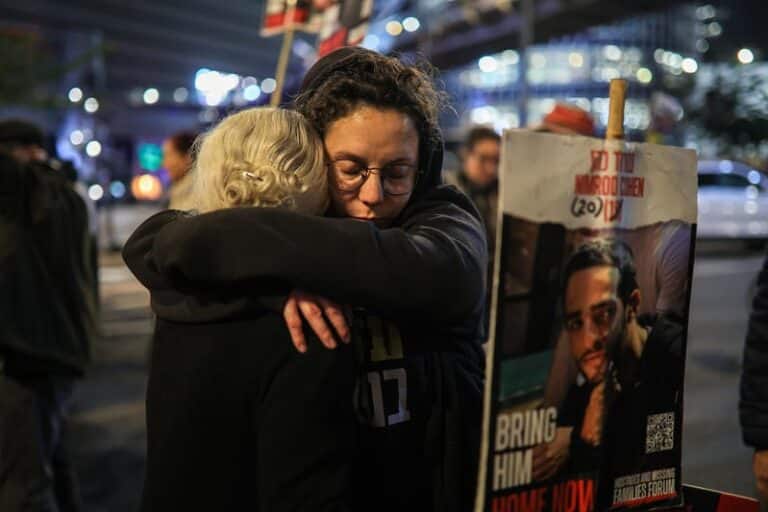
Mixed emotions run deep across the State of Israel as the first stage of the hostage deal begins today (Sunday), following months of tense anticipation. During this time, Israel has faced profound challenges, including the loss of soldiers and civilians, the heroic rescue missions, including those of Ori Megidish and Noa Argamani, and the mourning of those respectfully returned for burial. The nation remains divided, with ongoing protests both for and against the deal. We’re amid a highly tense and challenging period, only fully understood by those who living through the Sword of Iron War.
For the media, this pivotal moment brings a responsibility to cover the hostage release with sensitivity, avoiding the temptation to sensationalize it as a “hostage reality show.” Such behavior would serve Hamas’ interests, amplifying their small tactical gain into a significant psychological victory.

Noa Argamani after her return from captivity | Photo: IDF Spokesperson’s UnitBehind the Tensions: Hamas’ Psychological Terror
The deal, like many aspects of the war, is fraught with complexity and challenges. While all Israelis deeply yearn for the safe return of the hostages, significant disagreements have surfaced. Many oppose the release of terrorists with blood on their hands, fearing their likely return to terrorism, while others worry that Israel may sacrifice critical military achievements, such as control over the Netzarim axis—gains secured through the costly sacrifices of IDF soldiers—which could pose risks to national security.

Beyond rational debates, deep concerns persist regarding the identities and conditions of the hostages, along with the painful uncertainty about who remains alive. Hamas has deliberately exploited these fears by enforcing a staggered and suspenseful deal format, designed to amplify the emotional suffering of the Israeli population. Keenly aware of Israeli society’s empathy, shared value of the sanctity of life, and sense of mutual responsibility, Hamas seizes every opportunity to intensify psychological warfare and inflict maximum pain on the people of Israel.

At this Point: Exercise Sensitivity and Restraint
In this fragile and emotionally charged time, the media carries a profound responsibility. Israelis will turn to news outlets for clarity and reassurance, seeking information that fosters a sense of control. However, the media must resist the lure of sensationalism. Spreading rumors, amplifying Hamas propaganda, publishing alarmist analyses from “former officials,” or aggressively pursuing hostage families for exclusive interviews could do more harm than good, undermining unity and inflicting unnecessary pain. Sensitivity and restraint must guide all reporting in the days ahead.
Ohad Munder – grandson of Avraham Munder, OBM – returning from Hamas captivity in the previous deal | Photo courtesy of the family
Now more than ever, the media must exercise restraint and sensitivity. Sensationalism plays directly into Hamas’ strategy, as the weakened terrorist organization seeks one final psychological victory by exploiting Israel’s emotional responses. Harrowing stories, internal disputes, and mutual blame only serve to embolden Hamas operatives. By rejecting sensationalism and choosing responsible reporting, the media can help preserve Israel’s unity and strength in these trying times. As King Solomon wisely reminded us: “Those who guard their lips preserve their lives, but those who speak rashly will come to ruin.” – Proverbs 13:3. Let this wisdom inspire thoughtful and responsible communication during this delicate period.

Hamas is a severely weakened organization that has lost much of its power, weaponry, and leadership. The war that began on October 7th marked a pivotal and self-destructive act, leading to significant damage to the broader Iranian axis. Today, Hamas has devolved from a semi-political governing entity in Gaza to a fragmented group of militants, relying on underground tunnels and rudimentary communication methods. Its only remaining leverage with Israel lies in its ability to exploit the mental and emotional state of the Israeli public.
This is a Call to the Media: Do not Play into Hamas’ Trap
Restraint and sensitivity must guide reporting during this delicate time—not sensationalism, clickbait, or a race for ratings. Even when opportunities to uncover more information present themselves, they must not dictate actions that could harm the emotional well-being of the people of Israel, the hostages, or their families.
By prioritizing peace, privacy, and responsible journalism, we can bolster national resilience, rekindle unity, and stand strong against Hamas’ psychological warfare. Remember: while Hamas may see the deal as a small victory, its ultimate goal would be to see us lose hope. We must not allow that to happen. Through unity and faith, we can ensure the safe return of every hostage and overcome this challenge together.
Discussion0
No comments yet — be the first to share your thoughts.