Khalil al-Hayya Named Hamas Leader
Khalil al-Hayya’s rise in Hamas leadership raises new concerns that Hamas may seek a Hezbollah-style model in Gaza while preserving its weapons

Israel HaBahiyr
·12:10
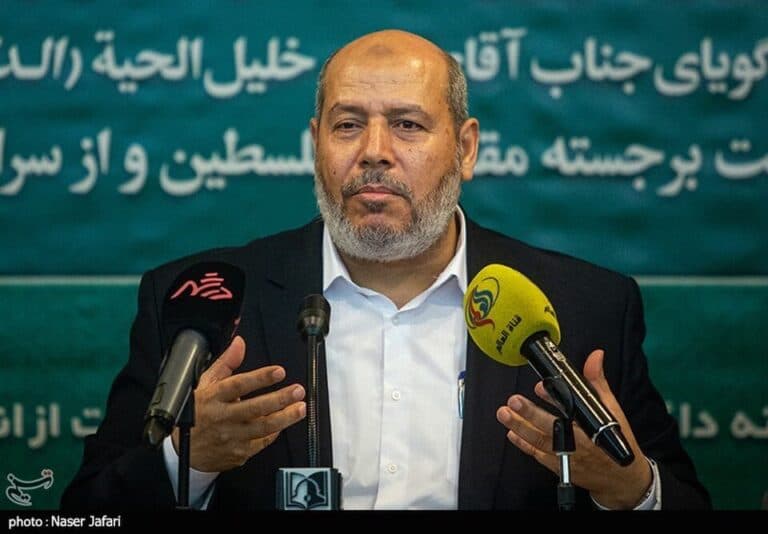
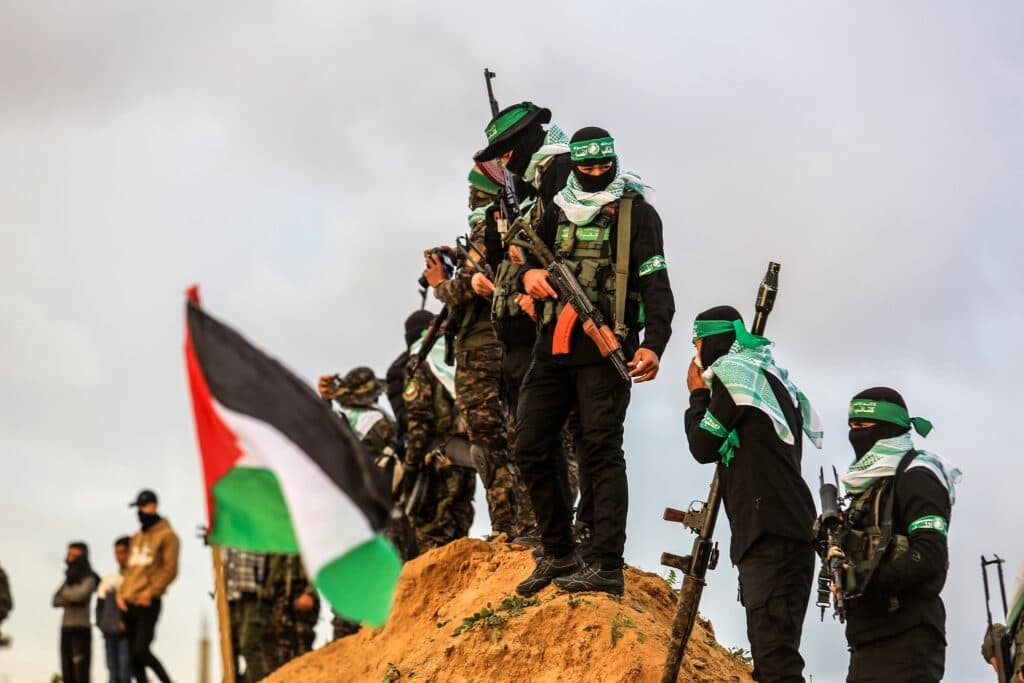
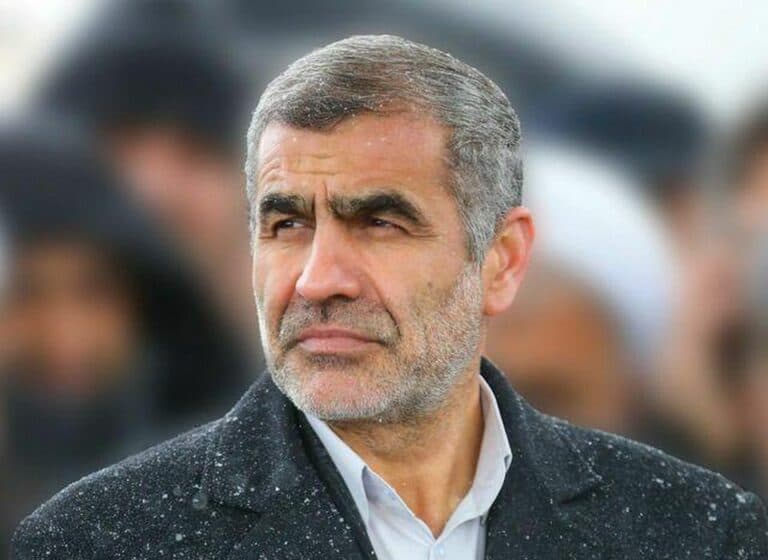
Khalil al-Hayya’s rise in Hamas leadership comes as Israel watches closely for signs that the terror group is trying to survive politically while preserving its military power. Hamas named al-Hayya as its new leader, according to current reporting.
Al-Hayya is not a break from Hamas’s past. He has long been one of the organization’s senior figures and has served as a central Hamas negotiator. Therefore, his elevation does not suggest moderation. Instead, it may reflect Hamas’s attempt to reorganize after heavy Israeli pressure in Gaza. For Israel, the key question is not only who leads Hamas. The deeper question is whether Hamas will truly dismantle its power or simply change the structure around it.
The Tanakh says, “The prudent sees danger and hides himself.” That verse fits this moment because Israel cannot afford to judge Hamas by titles, committees, or political language. It must judge Hamas by whether the threat remains.
Khalil al-Hayya Hamas Leadership
Recent reports about Hamas dismantling parts of its governing structure in Gaza created questions about whether the organization was preparing to give up civilian control. However, Israeli officials have warned that Hamas may try to separate governance from armed power.
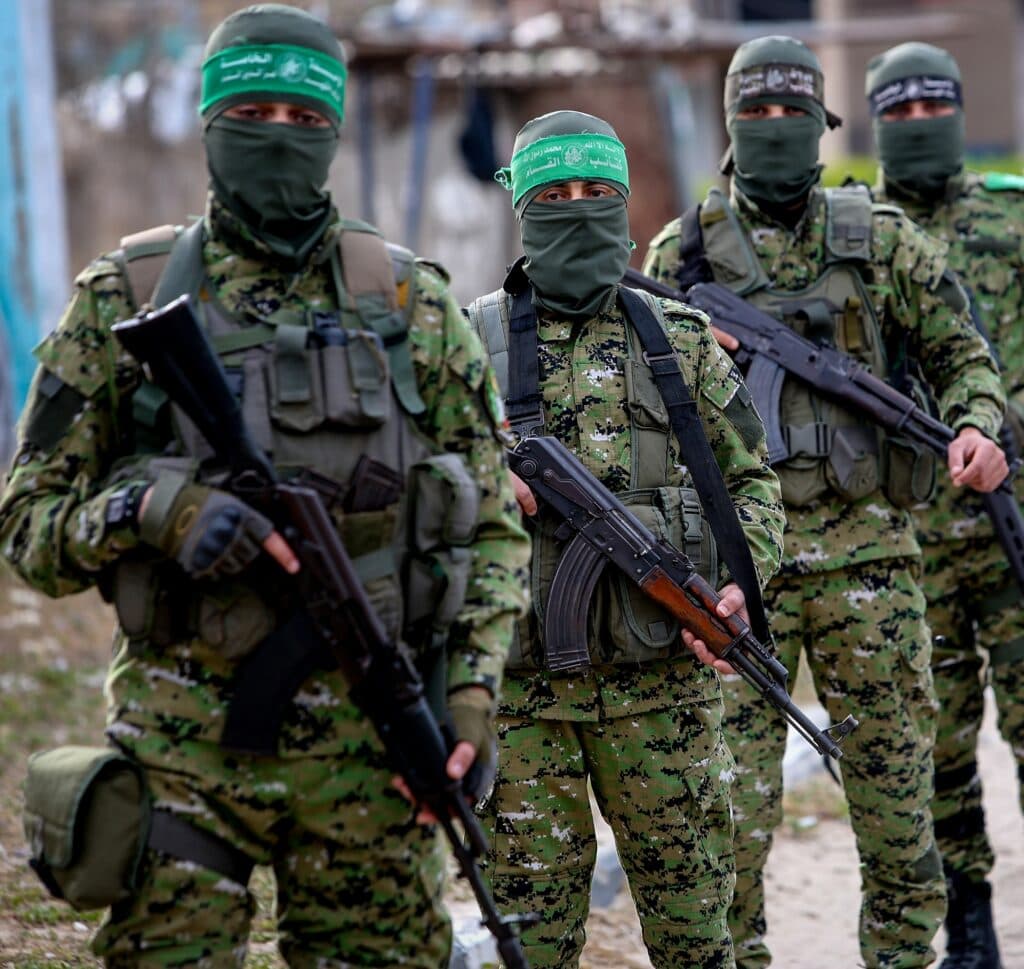
A Hamas leader can speak about political arrangements, committees, reconstruction, or administrative changes. Yet if Hamas keeps its weapons, tunnels, command networks, and armed forces, then the change becomes cosmetic.
For Israel, that would be unacceptable. Hamas’s October 7 massacre proved what happens when a jihadist movement controls territory, weapons, and civilian life at the same time.
Israel’s Hezbollah Model Warning

That concern connects directly to “Israeli Foreign Minister: Hamas Wants A ‘Hezbollah Model’ In Gaza.” Foreign Minister Gideon Sa’ar warned that Hamas’s technocratic government proposal aims to preserve its weapons and copy Hezbollah’s model in Gaza.
Hezbollah’s model in Lebanon allows a political system to exist while an Iranian-backed terror army keeps the real power of war and peace. Hamas may now seek something similar in Gaza: civilians or technocrats handling administration while Hamas preserves the guns.
For Israel, this would leave the core threat alive. For the United States, it would also create a strategic problem. Washington wants regional stability, hostage resolution, reconstruction, and a postwar order that prevents another October 7. None of that can work if Hamas remains armed behind a new political front.
The issue is not only Gaza. It is the wider Iranian-backed playbook. Hezbollah in Lebanon, militias in Iraq, the Houthis in Yemen, and Hamas in Gaza all show how armed movements exploit weak governance while threatening Israel and U.S. interests.
Covenant Of Truth And Defense
The United States and Israel share a covenantal understanding before God rooted in truth, protection, liberty, and the defense of innocent life.
Both nations believe peace must rest on moral clarity, both understand that terror movements cannot be allowed to hide behind political language, and both nations know that free people must defend families, borders, and national sovereignty against those who use civilians as shields.
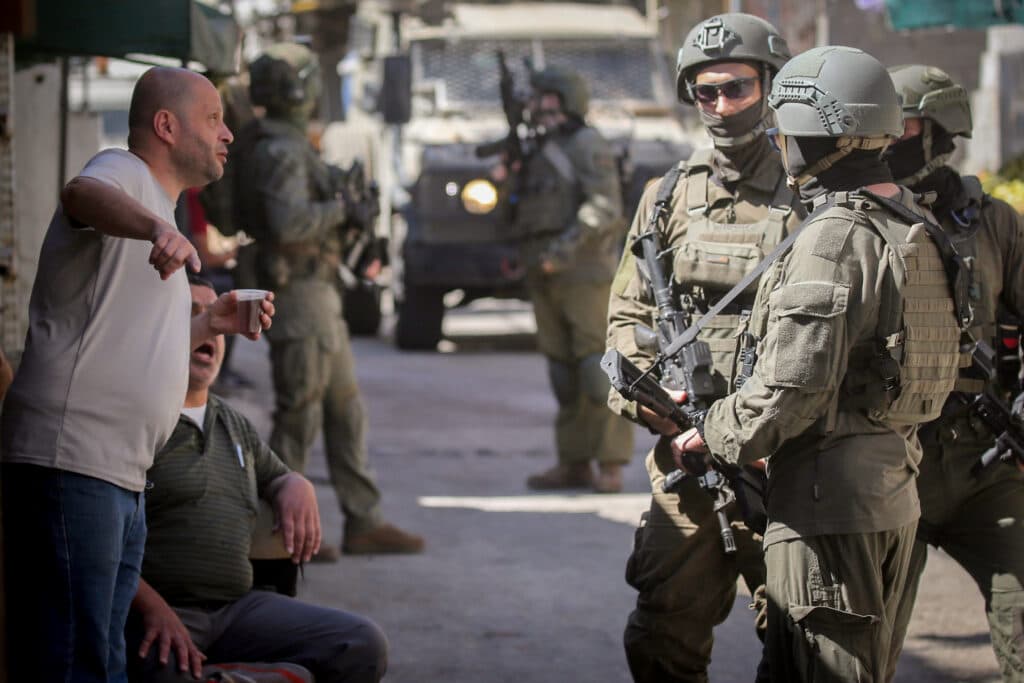
America and Israel both have an interest in making sure Gaza does not become another Lebanon, where a terror army holds the state hostage. Israel needs security on its southern border. America needs a Middle East order where Iranian-backed groups do not dictate the future through violence.
Al-Hayya’s leadership may change Hamas’s public face. However, it does not change the central test. Will Hamas give up its weapons, command structure, and ability to launch another war, or will it try to survive under a new administrative mask?
For Israel, the answer will determine policy. For America, it will shape any future diplomatic framework. Ultimately, Hamas cannot be allowed to rebrand collapse as transition while keeping the machinery of terror intact.
For more stories on Israel, faith, and the values behind the headlines, follow Sinai on Facebook and Instagram.
Discussion0
No comments yet — be the first to share your thoughts.