Israeli Athletes Barred From Northern Ireland Triathlon
Four Israeli triathletes will miss an international race in Northern Ireland after local organizers strongly objected to Israeli representation

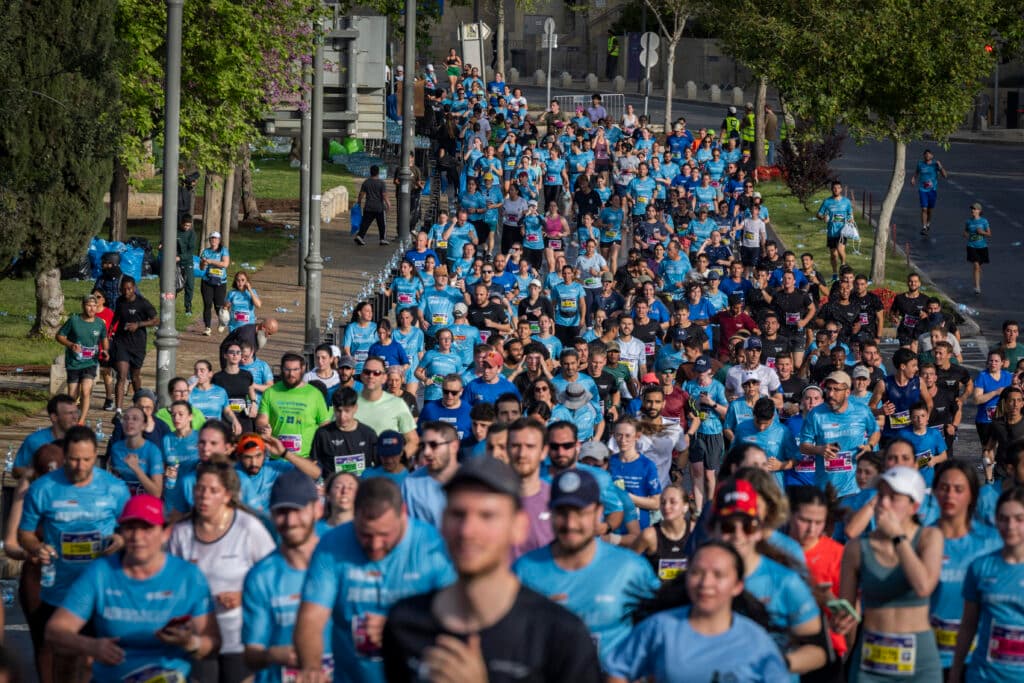
Israeli athletes barred from an international triathlon in Northern Ireland will miss Saturday’s Europe Triathlon Cup after local organizers objected to their participation. Four Israelis had appeared on the provisional entry list for the race in Londonderry. North West Triathlon Club then made “strong representations” against allowing athletes representing Israel to compete.
The final start list contains no Israeli competitors. Triathlon Ireland stressed that Europe Triathlon, not the local organizing committee, controls international entries. World Triathlon also confirmed that the Israeli federation later requested removal of its athletes following the controversy and safety concerns surrounding the event.
The episode raises a basic question of fairness. Deuteronomy 16:20 commands, “Justice, justice shall you pursue.” International sport depends on a similar principle: competitors should face the same rules regardless of nationality. Once organizers decide that athletes may compete only if their government passes a political test, sport becomes another arena for collective punishment.
Israeli Athletes Barred After Local Objections
North West Triathlon Club said it only learned of the Israelis when World Triathlon published a provisional list. The club then contacted Triathlon Ireland and Europe Triathlon and made clear that it opposed their participation.
“For the avoidance of any doubt, athletes representing Israel will not be participating,” the club said. It added that there would be “no Israeli representation competing at this event.”
The club denied that its position targeted anyone because of religion or ethnicity. Instead, it said the objection concerned representation of Israel in international sport. Organizers accused Israel of attempting to “present normality” while Palestinians continue to suffer.
That distinction does not remove the central problem. The four competitors did not set Israeli military policy. They entered an international sporting competition as athletes representing their country. Excluding them because organizers oppose the state they represent applies political responsibility to individuals who did not make those decisions.
DUP Assembly member Julie Middleton criticized the outcome. She called it “an awful reflection” on Londonderry and said the international event should have showcased the city’s hospitality.
“Instead,” Middleton said, it became associated with “the exclusion of athletes because they are Israeli.”
From Protest to Exclusion
The decision fits a wider pattern in which anti-Israel activism increasingly targets Israelis outside government or military settings.
That atmosphere is also visible in “New Gaza Flotilla to Sail From Europe in October.” Activists are preparing another Mediterranean mission designed to challenge Israel’s naval blockade. The two events involve very different forms of protest, but both show how European anti-Israel activism continues to expand into new public arenas.

Political protest itself is legitimate. People remain free to criticize Israel, demonstrate over Gaza, or advocate changes in foreign policy. International institutions cross a more troubling line when they decide that individual Israelis should lose access to ordinary academic, cultural, or sporting opportunities simply because of their nationality.
The Northern Ireland case makes that distinction unusually clear. The club did not accuse the four athletes of misconduct. Its own statement focused specifically on their representation of Israel.
There were also genuine safety concerns. Northern Ireland police said they had learned of potential protest activity through social media. Organizers said athlete and public safety remained a priority.
Yet allowing threats or expected protests to determine which nationality can compete creates its own dangerous incentive. The louder activists threaten disruption, the easier it becomes to exclude the people they oppose.
Fairness Cannot Stop at Israel
America and Israel share traditions that place freedom, equal treatment, and human dignity among the responsibilities of a society before God. Those values become meaningful precisely when applying them becomes politically uncomfortable.
American institutions face many of the same pressures. Universities, cultural organizations, and public bodies increasingly confront campaigns demanding that Israelis lose partnerships or access because of their nationality. The question is whether disagreement with Israeli policy justifies excluding Israeli individuals from spaces normally open to everyone else.
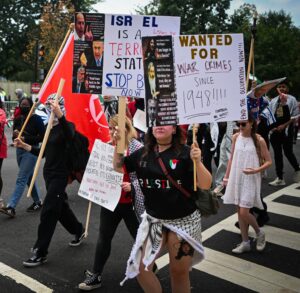
Image Title:
Israel has a particular covenantal responsibility to defend Jewish dignity and sovereignty after centuries when Jews depended on other nations for permission to participate in public life. America’s covenantal tradition places similar weight on equal citizenship, fair competition, and opposition to political discrimination.
Neither principle requires immunity from criticism. Israeli athletes can hear protests. Israeli governments can face condemnation. Israel’s policies can face vigorous debate.
A global sporting event should demonstrate that people from different nations can meet under common rules even when their governments disagree. Removing Israelis because their flag creates political discomfort sends the opposite message.
The final start list will still include athletes from across the world. It will not include Israel.
Organizers may describe that as a stand against Israeli policy. For the four competitors who lost their place on the start line, the practical message is simpler: their nationality made them unwelcome.
For more stories on Israel, faith, and the values behind the headlines, follow Sinai on Facebook and Instagram.
Discussion0
No comments yet — be the first to share your thoughts.