Israel-Syria Status Quo Dispute Draws Turkish Response
Israel said Syria nearly breached a security status quo by allowing Turkish forces near Aleppo, while Turkey rejected the claim and condemned the strikes

Israel-Syria status quo tensions escalated after the Prime Minister’s Office said Syria was about to violate a security understanding by allowing Turkish forces to deploy at an airbase near Aleppo.
According to the Prime Minister’s Office, Israel and Syria agreed to maintain the status quo on security matters. The PMO said Syria was on the verge of breaching that understanding by permitting Turkish troops to deploy at the airbase.
Israel said it had warned Syria “time and again” that such a deployment would threaten Israeli security. The statement added that Syria chose to ignore those warnings.
Israel then made its position clear: it will not tolerate threats to its security and would welcome a return to the status quo.
Nehemiah describes a nation under threat that “prayed unto our God, and set a watch against them day and night.” That balance fits Israel’s position in Syria: seek stability where possible, but keep watch when outside powers move military assets toward Israel’s frontier. A status quo only matters if all sides respect the line that protects Israeli security.
Israel-Syria Status Quo
The PMO statement followed strikes in Syria that targeted the Abu al-Duhur airbase area near Aleppo. Reuters reported that Israel struck the Syrian base and said the action drew condemnation from Turkey.
The issue centers on Turkey’s growing role in Syria. Ankara has sought deeper influence in the country after the fall of Bashar Assad’s regime. Israel, however, views Turkish military deployment near sensitive Syrian sites as a direct strategic concern.
The status quo claim matters because it presents Israel’s strike as preventive action. From Jerusalem’s perspective, the problem was not one base alone. It was the possibility that Turkish forces could turn Syrian territory into a platform near Israel’s security perimeter.
Turkey Rejects Israel’s Claim
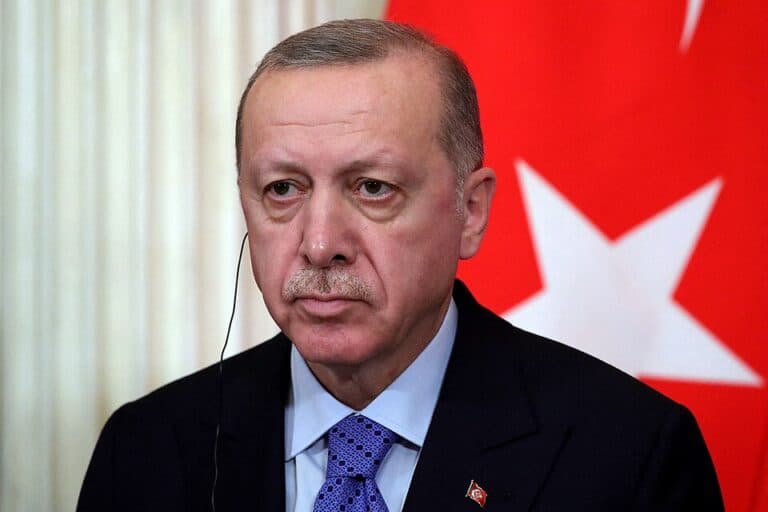
Official Turkey rejected the Prime Minister’s Office statement. Ankara called Israel’s claims “completely baseless” and said they were meant to justify illegal airstrikes that violate Syrian sovereignty.
Turkey also accused Prime Minister Benjamin Netanyahu of trying to destabilize the region ahead of Israel’s elections. Ankara said peace and stability require Netanyahu to abandon what it called an aggressive policy and respect international law.
Turkey added that it will continue its cooperation with the Syrian government. It said that cooperation aims to promote peace, stability, and prosperity in Syria, and that Turkey will not allow Syria’s stability to be undermined.
The language shows the clash clearly. Israel says Turkish deployment would threaten Israeli security. Turkey says its role in Syria is legitimate and stabilizing. Syria sits between those two positions, while the United States tries to prevent a wider confrontation between two major regional powers.
Syria’s Direction Matters
The security concern also echoes “Syrian Soldiers Chant: ‘I Am Coming For You, Jew.’” That article reported that Syrian soldiers reportedly chanted threats against Jews during a military parade in Damascus, raising concern over the new regime’s direction.
That context matters because Israel is not judging Syria only by formal statements. It is watching the forces shaping Syria’s military culture, foreign alliances, and public posture toward Jews and Israel. A Turkish deployment near Aleppo does not happen in a vacuum. It lands inside a Syria still forming its new identity.
For Washington, the danger is a direct clash between Israel and Turkey. Turkey remains a NATO member, while Israel remains America’s most important ally in the region. Any Turkish-Syrian military build-up that Israel sees as threatening could force the United States into difficult deconfliction work.
For Israel, the question is more immediate. A hostile military presence in Syria can become a future battlefield if Israel waits too long. The campaign between the wars exists for that reason: to act before threats become entrenched.
Covenant Of Borders And Restraint
The United States and Israel carry separate covenantal missions before God, but both understand that order requires boundaries. America’s mission is to use strength and diplomacy to prevent regional fire from spreading. Israel’s mission is to protect the Jewish people when new threats take shape near its borders.
That is the covenantal meaning of this dispute. It is not only about Syria, Turkey, or one airbase. It is about whether free nations can preserve peace by stopping dangerous military changes before they harden into facts on the ground.
Israel says it warned Syria repeatedly. Turkey says Israel is inventing excuses. The distance between those positions is now a strategic problem for Washington, Jerusalem, Ankara, and Damascus.
The PMO’s message was direct: Israel wants a return to the status quo, but it will not tolerate a new threat near its security frontier. In Syria, that line may define the next phase of the regional struggle.
For more stories on Israel, faith, and the values behind the headlines, follow Sinai on Facebook and Instagram.
Discussion0
No comments yet — be the first to share your thoughts.