Israel Still Risen Like a Lion, Projecting Strength Amid Regional Challenges
On October 7 2023, during the Jewish holiday of Simchat Torah, Israel was invaded, and over one thousand of its citizens were brutalized, slaughtered and abducted. Since that day Israel found itself fighting enemies in Gaza, Lebanon and Syria, conducting counterterrorism operations in Judea and Samaria and defending against missiles from the Houthis in Yemen.

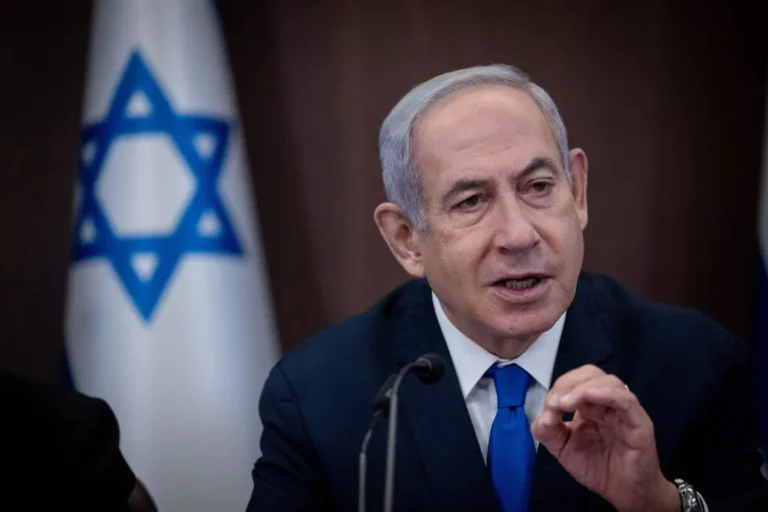
On October 7 2023, during the Jewish holiday of Simchat Torah, Israel was invaded, and over one thousand of its citizens were brutalized, slaughtered and abducted. Since that day Israel found itself fighting enemies in Gaza, Lebanon and Syria, conducting counterterrorism operations in Judea and Samaria and defending against missiles from the Houthis in Yemen. Above all loomed the threat of Iran, with its growing nuclear and ballistic missiles program. On 13 June, 2025, Israel launched operation “Rising Lion” to eliminate that threat. With the help of US President Donald Trump and the American military, they changed the balance of power in the Middle East, although Iran has not yet given up its murderous ambitions.
The operation in Iran was adapted from a verse in Numbers, describing the nation of Israel: “Behold, a people that rises like a lioness and raises itself like a lion. It does not lie down until it eats its prey” (23:24). Israel rose like a lion after the low point of the Simchat Torah massacres, but the lion must stay on its feet to keep its enemies at bay.
A Hexagon of Alliances
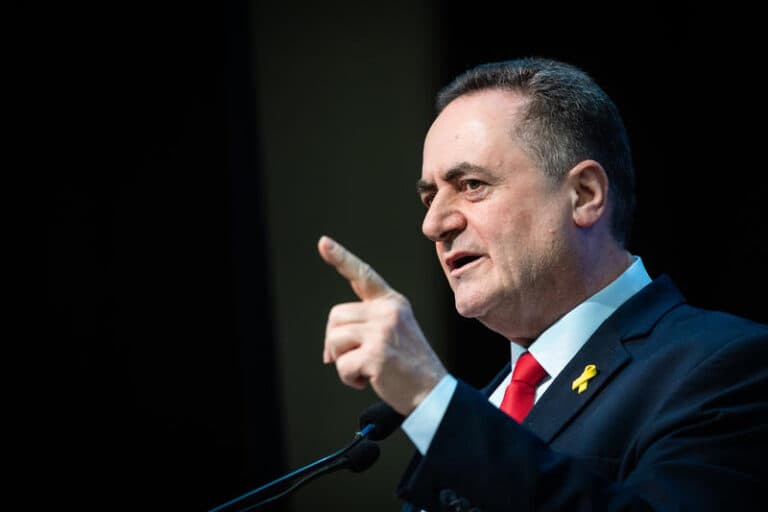
Ahead of an expected official visit from Indian Prime Minister Narendra Modi this coming Wednesday, Israel Prime Minister Benjamin Netanyahu addressed the Knesset and articulated a forward-looking vision, rooted in strategic alliances, technological innovation, and moral clarity in the face of mounting threats.
Netanyahu first announced the upcoming visit and emphasized the personal and diplomatic depth of the Israel-India relationship. “We are personal friends. We speak frequently by phone, we visit one another. The fabric of our relations has grown steadily stronger, and he is coming here so that we can strengthen it even further.”
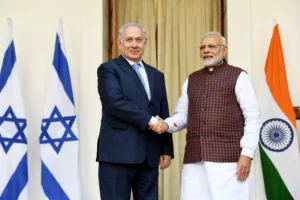
Netanyahu then outlined a sweeping geopolitical vision. While reaffirming what he described as a unique and historic alliance with the United States, including close ties with President Donald Trump, he stressed that Israel is actively cultivating additional partnerships.
“In the vision I see before my eyes,” Netanyahu said, “we will create an entire system, essentially a hexagon of alliances around and within the Middle East.” This framework would include India, moderate Arab states, African nations, Mediterranean partners such as Greece and Cyprus, and additional Asian countries.
The goal, he explained, is to form a cohesive axis of nations that share a sober understanding of present realities, standing together against both the radical Shiite axis led by Iran and the emerging radical Sunni axis.
At the same time, Israel is investing in its economic and technological future. Netanyahu highlighted expanding cooperation in high-tech fields, particularly artificial intelligence and quantum technology. “I mention AI and quantum not because they are the future,” he said, “but because they are the present.” Infrastructure development, including advancing airport construction in the Negev and the north and promoting new communities in the Negev, forms part of this broader national strategy.
This vision coincides with remarks the Prime Minister made last week at the conference of presidents of major American Jewish organizations, on his goal to strengthen Israeli independence in military production and “phase out the financial component of the military aid” from the US, proposing “a 10 year draw down to zero”.
Uncertainty in Iran
Israel’s strong vision is being formulated in the face of the ongoing volatility and uncertainty surrounding the situation in Iran.
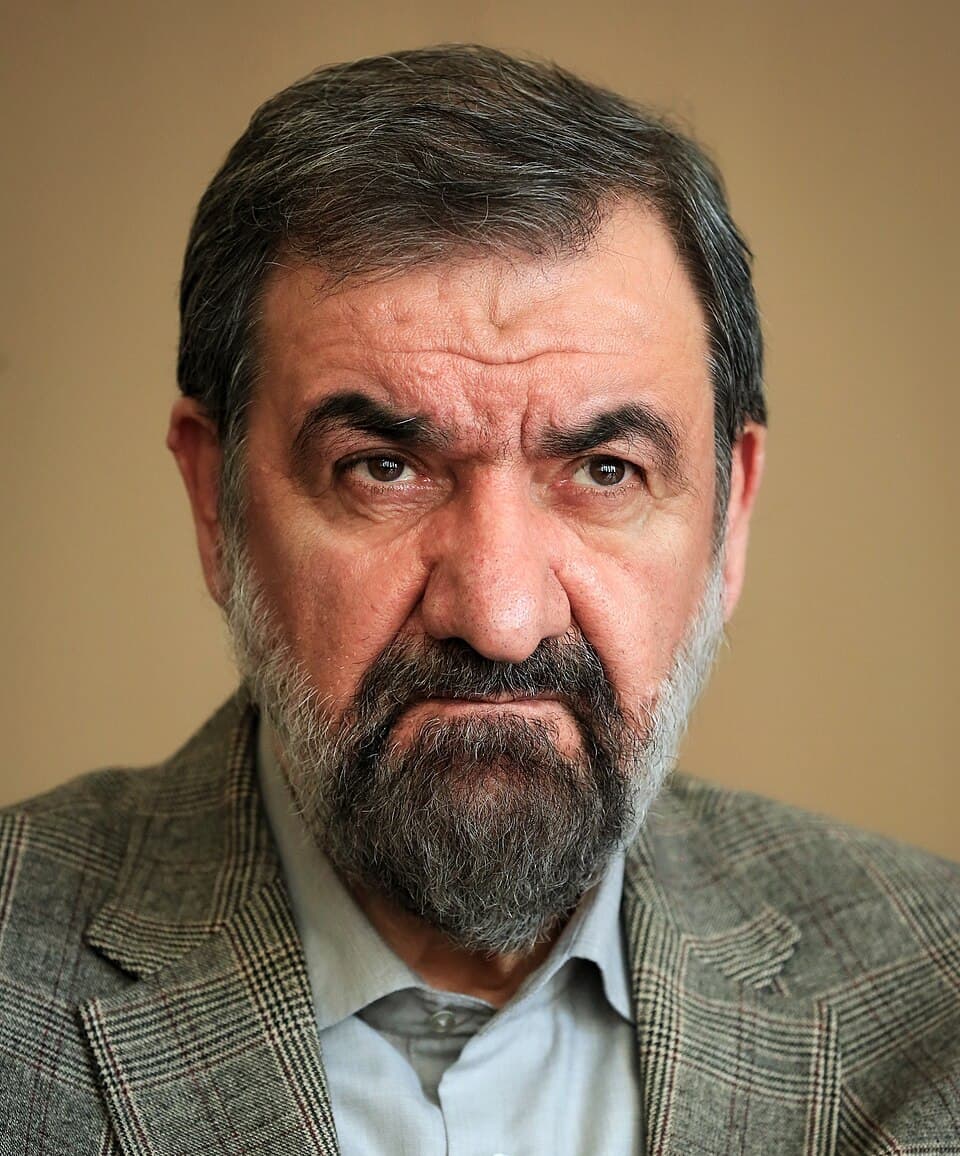
According to a report in The New York Times, Iran’s Supreme Leader Ali Khamenei has in recent months transferred significant governing authority to senior official Ali Larijani, amid fears of potential U.S. or Israeli action. The report, based on interviews with Iranian officials, indicates that Larijani has become a central figure in managing internal unrest, conducting foreign contacts with Russia, Qatar, and Oman, and preparing contingency plans in the event of war.
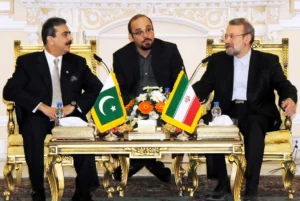
Khamenei is said to have instructed that up to four successors be designated for each key military and governmental role he directly appoints, in order to ensure regime continuity should communications be severed or senior leadership eliminated. During the Israeli operation, Khamenei reportedly sheltered in a secure location and identified potential successors, though their names remain undisclosed.
These moves reflect lessons drawn from the Israeli strikes that rapidly disrupted Iran’s senior military command structure. Following a ceasefire, Larijani was appointed secretary of Iran’s Supreme National Security Council, and a new national defense council was established to oversee wartime affairs.
The US Signals Impatience
Meanwhile, in Washington, senior American officials have signaled growing impatience with Tehran’s posture.
U.S. Middle East envoy Steve Witkoff said in an interview that President Trump struggles to understand Iran’s refusal to yield under mounting pressure. “He’s curious as to why they haven’t capitulated,” Witkoff said, adding that clear red lines were established in negotiations, including zero uranium enrichment and the removal of nuclear material.
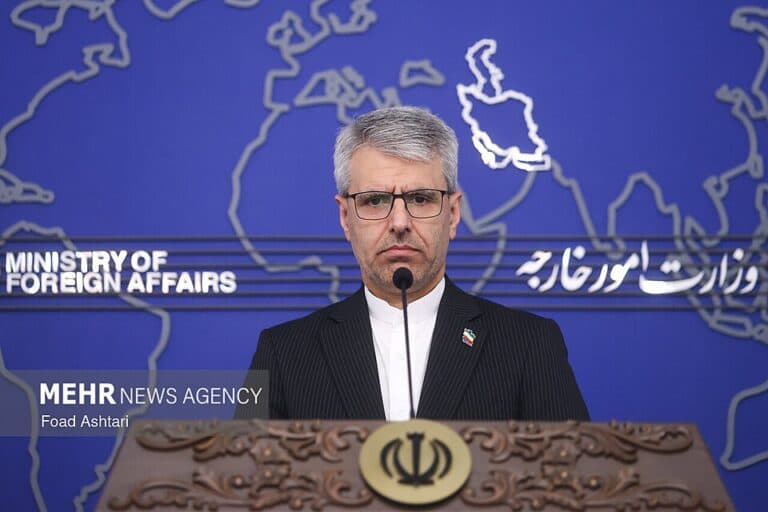
Although Iranian Foreign Minister Abbas Araghchi claimed that Washington had not demanded zero enrichment during talks in Geneva, Witkoff maintained that enrichment levels reaching 60 percent place Iran dangerously close to weapons-grade capability. ““That’s really dangerous. So they can’t have that.” he warned.
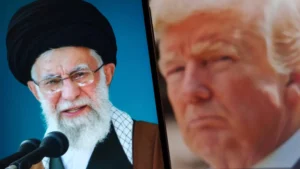
Witkoff also confirmed that he met publicly with exiled Iranian Crown Prince Reza Pahlavi at the President’s direction, emphasizing that U.S. policy remains that of President Trump, while remaining open to hearing diverse perspectives.
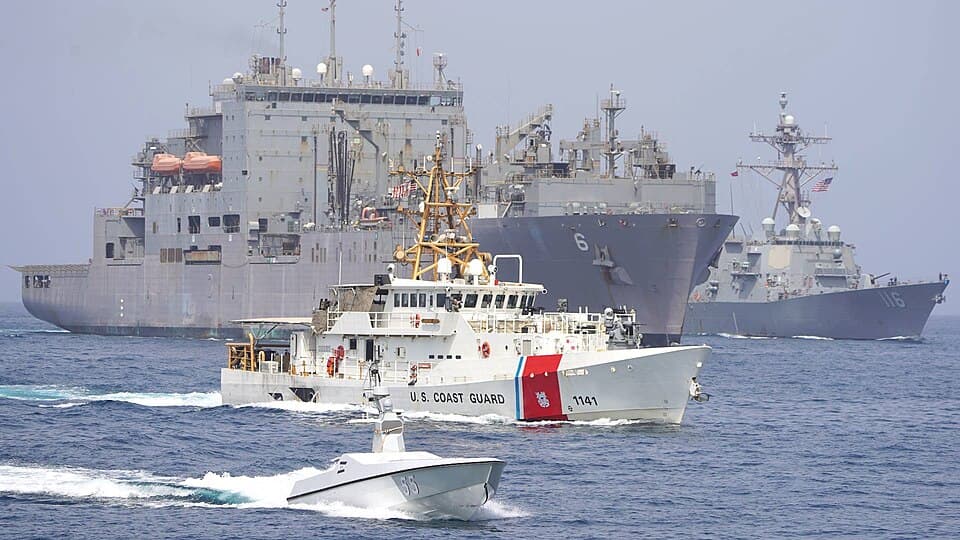
Adding to the sense of strategic recalibration, Republican Senator Lindsey Graham recently stated that Iran is in its weakest position since 1979 and suggested that the regime is under unprecedented strain. Satellite imagery cited in American media reportedly shows a significant concentration of U.S. aircraft in Jordan, reinforcing the seriousness of the moment.
In a region long defined by instability, Jerusalem is signaling that it will not merely react to events, but shape them, building a resilient network of partnerships and preparing for the strategic realities of today, not just the promises of tomorrow.
The people who rose like a lion will not lie down until they completely remove the threat.
Discussion0
No comments yet — be the first to share your thoughts.