Israel Police Concludes Major Operation in the Southern Bedouin Village of Tarabin
Israel Police activity in the Bedouin village of Tarabin al-Sana in the Negev, southern Israel, has unfolded over an extended period, evolving from a targeted law-enforcement operation into a broad, high-intensity campaign aimed at restoring governance, curbing violent crime, and reasserting the rule of law in southern Israel. Phase One: “Operation Good Neighbors” The first

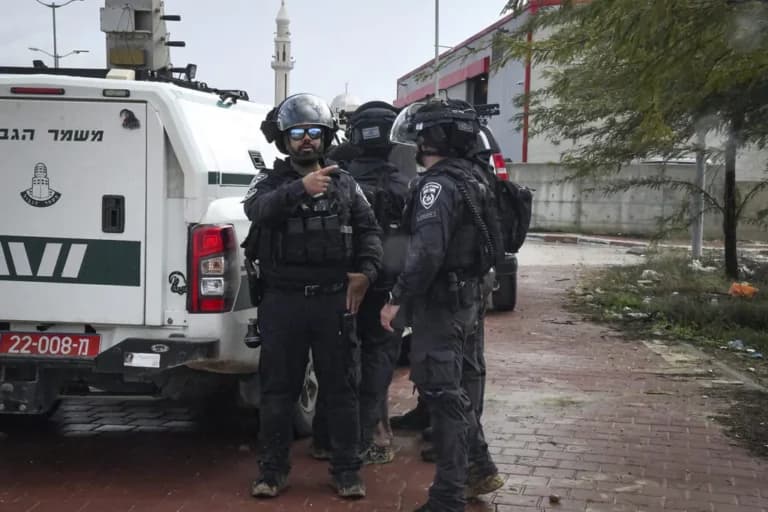
Israel Police activity in the Bedouin village of Tarabin al-Sana in the Negev, southern Israel, has unfolded over an extended period, evolving from a targeted law-enforcement operation into a broad, high-intensity campaign aimed at restoring governance, curbing violent crime, and reasserting the rule of law in southern Israel.
Phase One: “Operation Good Neighbors”
The first stage began in late May 2024, when the Israel Police launched “Operation Good Neighbors” in Tarabin. For several days, hundreds of officers conducted intensive searches, enforced traffic regulations, and made arrests. Illegal vehicles were removed from the roads, dozens of traffic citations were issued, and criminal infrastructure was targeted.
While some residents complained that daily life had become difficult and even organized a protest by keeping children home from school, police leadership emphasized that the operation was aimed squarely at criminals, not law-abiding citizens.
“We are here to harm criminals,” said Southern District Commander Amir Cohen. “This is a long-term, principled operation against crime and against anyone who tries to take the law into their own hands. This is good news for the residents of the south.”
During this phase, police forces, including Border Police units, the Yoav Unit, traffic police, aerial support, and civilian enforcement agencies, detained and arrested approximately 20 suspects linked to violent crime, illegal weapons, stone-throwing, shootings, and highway intimidation. Among the incidents that occurred were the arrest of a 13-year-old minor for throwing stones at officers, the seizure of weapons, ammunition, batons, and knives and the removal of multiple vehicles from service for serious safety violations.
Phase Two: Escalation After Violent Retaliation
The situation escalated sharply in late December 2025 following a series of retaliatory attacks attributed to criminals from Tarabin. Over a single weekend, residents of nearby Jewish communities such as Givot Bar and Lehavim awoke to scenes of vandalism and arson: fences breached, cars torched, windows smashed, and residents terrorized by shouting and intimidation.
Aftermath of arson in Lehavim (Video: Israel National Fire & Rescue Authority).
In response, hundreds of police officers and combat units surrounded Tarabin in a full operational encirclement. Police confirmed the activity was criminal – not security-related – but required exceptional force due to the severity of the violence.
The IDF simultaneously raised alert levels at southern bases out of concern that clashes could spread. During Sabbath operations, police arrested six suspects, including three accused of arson attacks, and confiscated stolen military weapons.
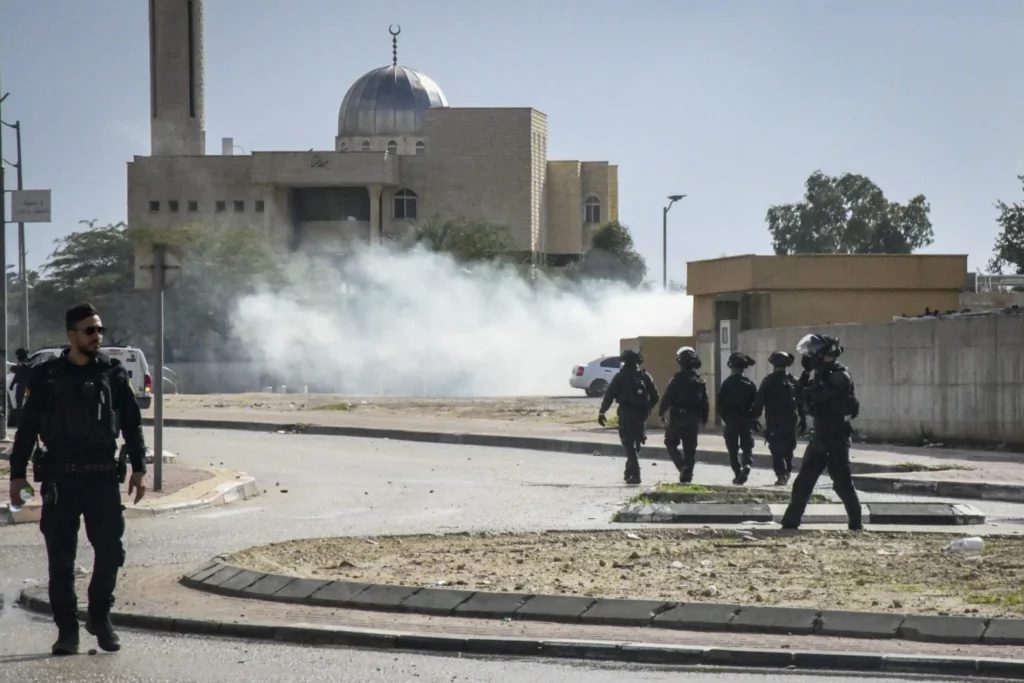
For the first time, police established a dedicated defensive command center to protect Jewish communities in the Negev. A senior police official stated bluntly: “There is concern about further retaliation attacks – but the Tarabin tribe will come to understand who the sovereign authority is in this country.”
Phase Three: Fatal Shooting and Internal Investigation
In early January 2026, police and ISA (Israel Security Agency) forces returned overnight to Tarabin to arrest suspects linked to additional acts of violent retaliation (called ‘price-tag’ attacks) carried out in response to police weapons seizures.
During the operation, a local suspect was shot after threatening the forces, subsequently dying from his wounds. As required by law, the Department of Internal Police Investigations (Machash) opened an inquiry into the shooting.
Minister of National Security Itamar Ben Gvir voiced strong backing for the officers:
“Anyone who endangers our police and fighters must be neutralized; it’s a good thing this happened. The days of harming police officers without consequence are over.”
The operation followed mass protests in Tarabin involving local leaders and Israeli Arab politicians, including MK Ayman Odeh. Meanwhile, further arson attacks on vehicles in nearby Lehavim were confirmed by police as additional “price-tag” incidents linked to the same criminal networks.
Phase Four: Conclusion of the Current Stage and Future Expansion
By mid-January, police began withdrawing large forces from Tarabin, removing concrete barriers at village entrances. While some interpreted this as the end of the operation, police clarified that only the current phase had concluded.
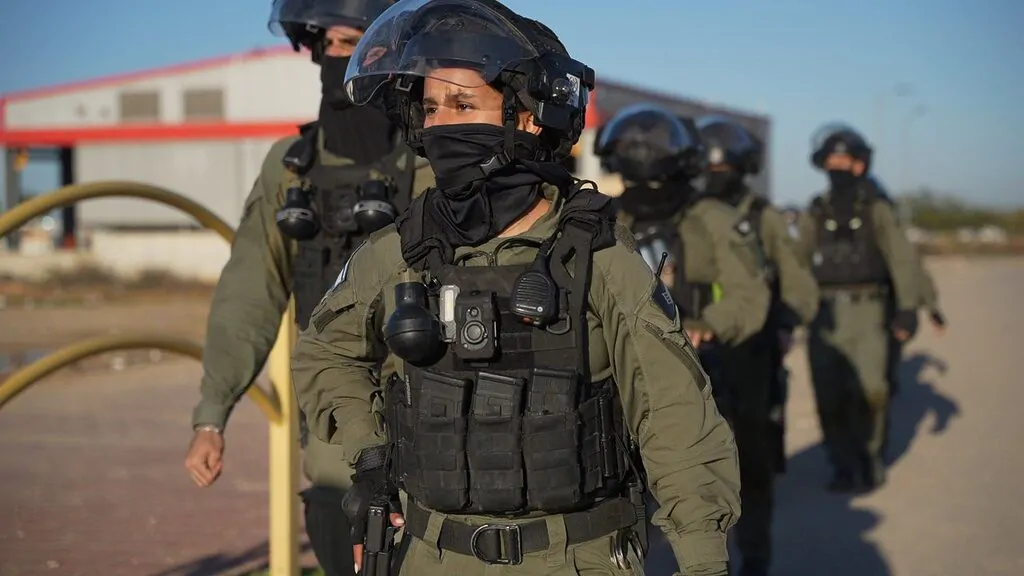
Senior officials described the campaign as a significant operational success, carried out in an orderly manner and without irregularities. Enforcement agencies conducted parallel economic and civil crackdowns.
Final police figures from Tarabin included: 30 suspects arrested or detained, numerous various weapons seized, 808 traffic citations issued, 6 vehicles confiscated, 53 demolition warnings issued for illegal construction and dozens of actions taken by environmental authorities, tax officials, the National Insurance Institute, the Electric Company, and agricultural enforcement units.
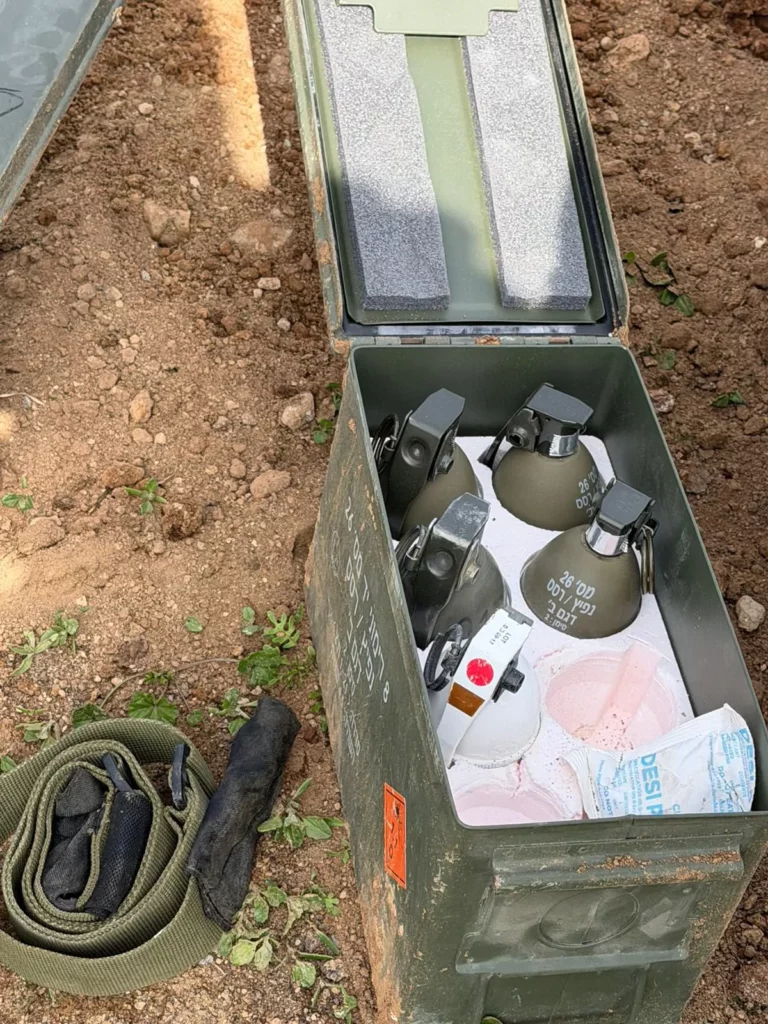
Police emphasized that similar operations are already planned for other Bedouin villages, underscoring a broader strategy to restore governance, protect both Jewish and Arab innocent civilians, and reinforce the rule of law across the Negev.
As authorities made clear, Tarabin was not the end but the beginning of a sustained effort to reclaim public safety in Israel’s south.
Law and Order in the Negev
When Abraham journeyed through the Negev (Genesis 12:9), the land was not ordered by God – given laws, but by rule of the pagan Canaanite tribes. His descendants, set to inherit the land, were commanded:
“Appoint judges and officials for each of your tribes in every town the Lord your God is giving you, and they shall judge the people fairly.” (Deuteronomy 16:18).
One might say that restoring law and order in the Negev is no less than biblical.
Discussion0
No comments yet — be the first to share your thoughts.