Iran Deputy Speaker Ali Nikzad Warning To U.S. And Israel
Iranian Deputy Speaker Ali Nikzad warning that Iran will answer Ukraine and threatened the U.S., Israel, Britain, Bulgaria, and any launch points used against Tehran

Israel HaBahiyr
·16:05
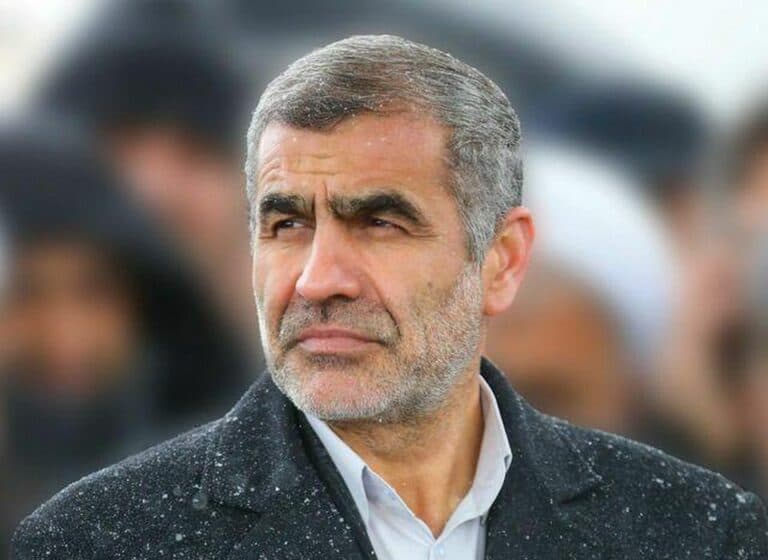
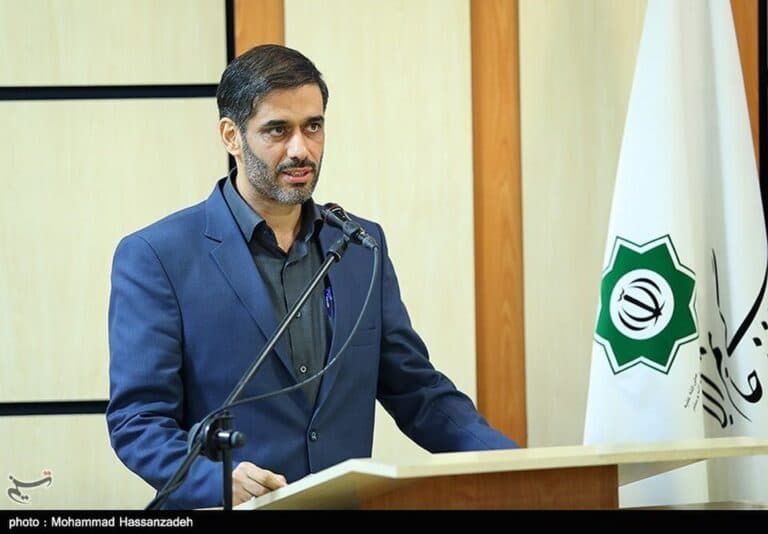
Ali Nikzad warning marks another escalation in Iran’s widening rhetoric against the United States, Israel, Britain, Bulgaria, and Ukraine.
Nikzad, Deputy Speaker of the Iranian Parliament, announced that Iran would respond to what he described as the Ukrainian attack in the Caspian Sea. His remarks also tied the incident to Iran’s broader confrontation with America and Israel.
According to the summary of his comments, Nikzad said Iran’s Supreme Leader has emphasized the importance of maintaining national unity. He also said Iran would not give up on avenging the blood of Ali Khamenei.
The Tanakh says, “The counsel of the Lord stands forever.” That verse fits this moment because threats, alliances, and military pressure can shift quickly. However, free nations still need moral clarity, discipline, and steadiness when hostile regimes try to expand fear across several fronts.
Ali Nikzad Warning
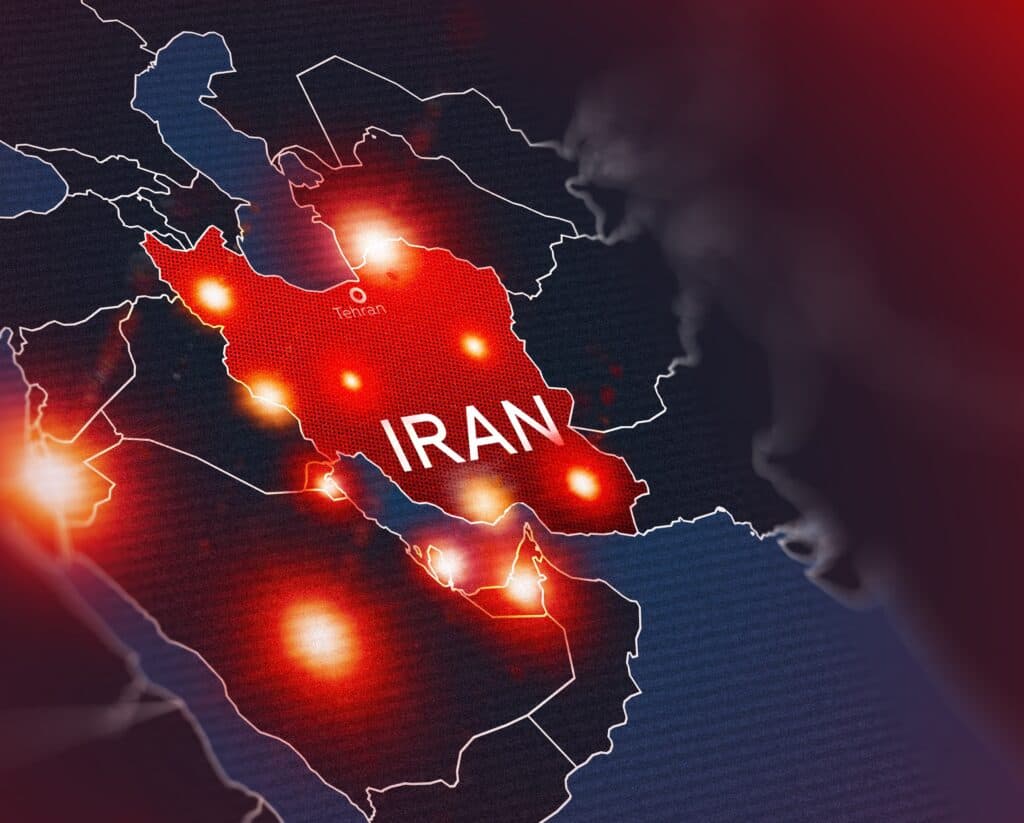
Nikzad said the situation in the Strait of Hormuz “will not return to what it was before the war.” That line matters because Iran continues to signal that it wants to change the rules around one of the world’s most important maritime routes.
He also said Iran is prepared for any “American-Israeli adventure,” warning that Tehran would make them regret it. The language follows a familiar Iranian pattern: blame America and Israel together, threaten retaliation, and try to deter other countries from supporting U.S. operations.
For Washington, the warning adds another layer to an already complex regional crisis. Iran is not only threatening U.S. forces in the Middle East. It is also warning regional crisis. Iran is not only threatening U.S. forces in the Middle East. It is also warning countries in Europe and the Gulf that cooperation with America could make them targets.
For Israel, the message carries direct security significance. Tehran continues to place Israel at the center of its threats, even when the immediate issue involves Ukraine, Britain, Bulgaria, or the Caspian Sea.
Britain, Bulgaria, And Ukraine Named

Nikzad warned Britain, Bulgaria, and Ukraine not to become “pawns” in American hands. He added that any location used as a source of attack against Iran would become a legitimate target for Iranian forces.
He also said Ukraine’s “reckless action” would not go unanswered.
That statement widens the map of the confrontation. Iran is trying to turn support for American pressure into a liability for other countries. In practice, that means Tehran wants allies and partners to hesitate before assisting Washington.
This issue connects directly to “Trump Delays Iran Strike As IRGC Threatens Israel And Britain.” Trump is reportedly delaying a large-scale Iran strike after military warnings, as the IRGC threatens Britain, Gulf states, and Israel.
Together, the two developments show the current climate of the war. The United States is weighing military timing and interceptor stockpiles, while Iran is trying to stretch the threat environment across the Gulf, Europe, Ukraine, and Israel.
Covenant Of Steadfast Allies
The United States and Israel share a covenantal understanding before God rooted in courage, freedom, defense of life, and loyalty to allies under threat.
That shared covenant appears when America refuses to let Iran dictate which countries may cooperate with Washington. It also appears when Israel stands firm despite repeated Iranian threats to focus the war against the Jewish state.
America has a responsibility to protect its forces, support partners, and preserve freedom of movement in strategic regions. Israel has a responsibility to defend its people against the Iranian system that arms proxies and threatens the Jewish state directly.
The Ali Nikzad warning shows how Iran wants the war to spread politically, even when the guns pause. Tehran is trying to make every ally calculate fear. That strategy can only work if free nations allow threats to replace policy.
Ultimately, the United States and Israel face the same core challenge: Iran must not gain the power to decide which countries may stand together. A region shaped by Iranian intimidation would endanger America, Israel, Europe, the Gulf, and every country that depends on open routes and stable alliances.
For more stories on Israel, faith, and the values behind the headlines, follow Sinai on Facebook and Instagram.
Discussion0
No comments yet — be the first to share your thoughts.