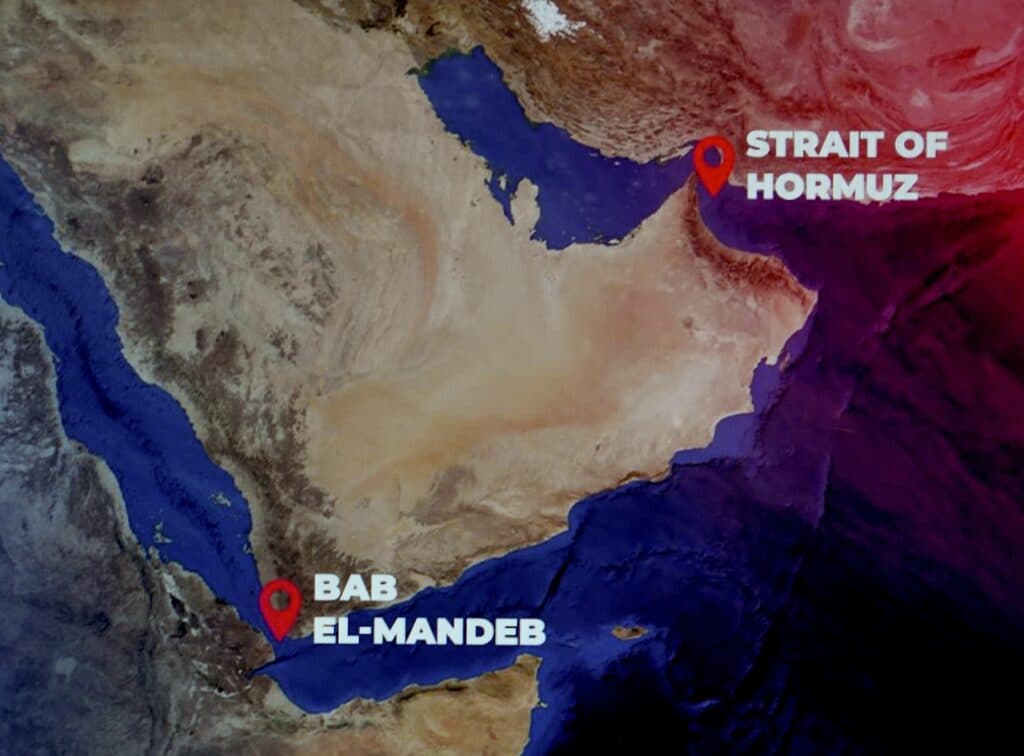
Iran Claims Attack On U.S. Radar Systems In Oman
Iran claimed an attack on U.S. radar systems in Oman as Tehran reported new casualties from American strikes and wider regional escalation

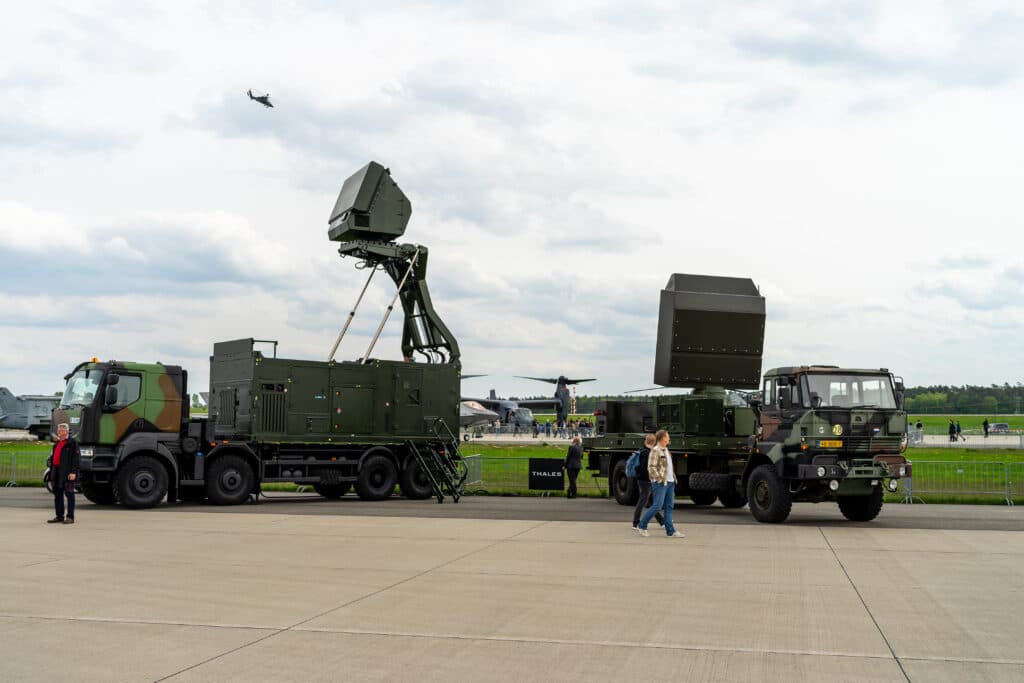
Iran claimed responsibility for an attack on American radar systems in Oman, while reports said Tehran struck across the territory of seven Arab countries during the latest night of escalation.
According to Iranian state-aligned reporting, the IRGC Navy claimed it destroyed American long-range air surveillance and maritime detection radar systems in Oman. Iran also claimed attacks on other U.S.-linked facilities in the Gulf and wider region.
At the same time, Iran’s Health Ministry said eight people were killed and 20 were wounded in overnight American strikes in southern Iran. The ministry said 38 people have been killed and more than 400 wounded since the current round of escalation began.
The Tanakh says, “The horse is prepared for the day of battle, but victory belongs to the Lord.” That verse fits this moment because military power, radar systems, missiles, and strategy all matter. However, nations still need moral clarity when war expands across borders.
Iran Radar Attack
The Iranian claim is relevant because radar systems are central to American regional power. U.S. radar and early-warning infrastructure helps protect military bases, shipping routes, aircraft, and allied countries across the Gulf. If Iran is targeting those systems, Tehran is trying to weaken America’s eyes and ears across the region.
For Washington, that makes the conflict more than a direct exchange with Iran. It turns the wider Gulf into a contest over surveillance, deterrence, and freedom of movement.
For Israel, the meaning is also clear. The same Iranian system that targets American infrastructure in Arab countries also funds Hezbollah, Hamas, the Houthis, and other enemies of the Jewish state.
A Region Under Pressure

Iran’s reported attacks across multiple Arab countries expose the regime’s hypocrisy. Tehran often speaks in the language of “regional resistance,” but its missiles and drones endanger the region itself. Arab countries, energy routes, civilian infrastructure, and U.S. military facilities all become targets when Iran decides to escalate.
That behavior also reinforces the warning behind “Trump Says Iran Failed Test, Vows More Strikes.” Trump said Iran failed the memorandum test, vowed more strikes, defended his Netanyahu relationship, and warned Tehran would use nuclear weapons quickly.
A regime that attacks American radar systems, threatens Gulf countries, and fires across borders cannot be treated as a normal actor. For the United States, the challenge is restoring deterrence. For Israel, the challenge is preventing Iran from gaining the confidence, money, and technology to turn regional aggression into nuclear blackmail.
Covenant Of Watchmen And Defense
The United States and Israel share a covenantal understanding before God that gives defense a moral purpose. Each nation knows that freedom must be guarded. Both understand that evil tests borders, alliances, and resolve. Both believe that power should protect the innocent, not terrorize neighbors.
America’s radar systems, bases, and naval power help protect the region from Iranian expansion. Israel’s intelligence, air power, and battlefield experience help expose the same regime’s threats before they reach Israeli civilians or American allies.
The shared task is practical and moral: see the threat clearly, warn allies in time, and stop the aggressor before the cost becomes greater. Iran’s casualty claims from U.S. strikes also show the price of escalation. Ordinary Iranians continue paying for a regime that chooses confrontation, proxy warfare, and regional attacks instead of stability at home.
Ultimately, the latest Iranian claims show why America and Israel cannot afford illusions. Iran is not only challenging one country. It is testing the entire regional order.
For more stories on Israel, faith, and the values behind the headlines, follow Sinai on Facebook and Instagram.
Discussion0
No comments yet — be the first to share your thoughts.