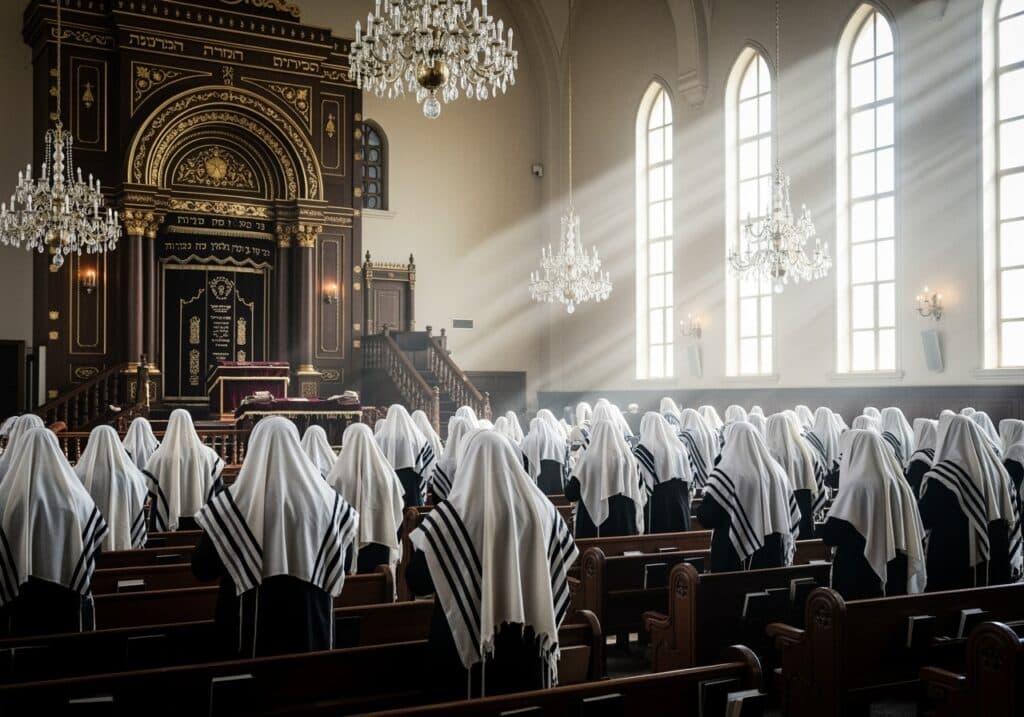
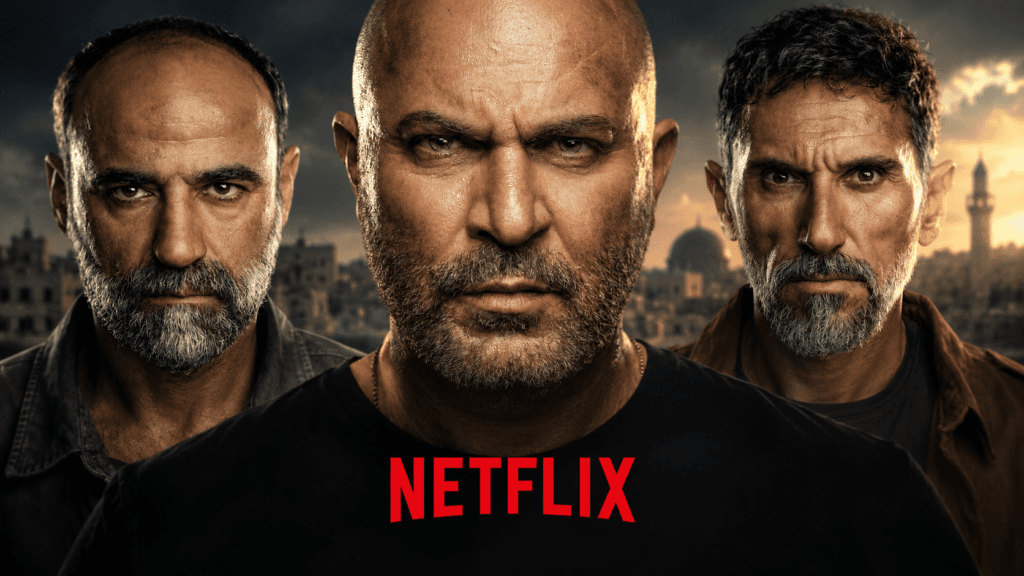

Doron Kavillio (Lior Raz), Eli (Yaakov Zada Daniel), and Hertzel “Steve” Pinto (Doron Ben-David) — three of the central returning characters in Fauda Season 5 | Photo: ChatGpt
Takeaways
- Fauda’s real fight: who gets to speak for Israel.
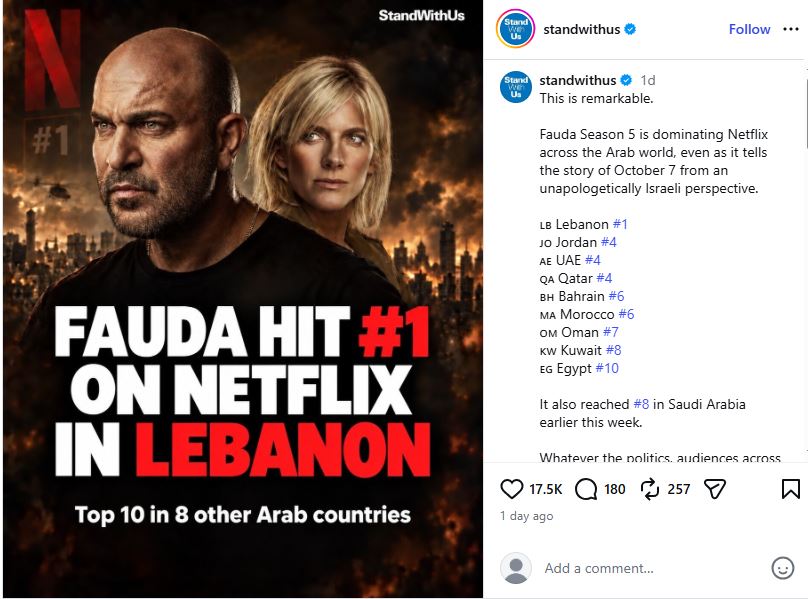
- Charted in dozens of countries, including Lebanon, Jordan, and the UAE.
- Season 5 dramatizes October 7 with verified footage and testimony.
- BDS wants it pulled. That’s silencing the storyteller, not just the story.
- The real question: who gets to define the victim?
A TV Show, or a Fight Over Whose Voice Counts?
Fauda follows an Israeli undercover unit in the West Bank, and it’s become one of the most-watched international shows on Netflix. But the loudest conversation around it has little to do with plot. It’s about whether Jewish and Israeli voices get to narrate their own reality, on their own terms, without permission from critics who’d rather they stayed quiet.
Q: Why does a fictional show trigger such a real fight?
A: Because Fauda is written and performed by people who lived the conflict, several cast members among them former IDF soldiers. That authenticity is exactly what makes it hard to dismiss, and exactly what threatens those invested in controlling the narrative.
What Season 5 Confronts Head-On
Season 5 dramatizes October 7 directly. Episodes 7 and 8 recreate the Hamas massacre using verified footage and survivor accounts. Within a day of release, the season had already ranked seventh among Netflix’s ten most-watched shows in 43 countries, and for many viewers it became their first real understanding of the massacre’s scale. Creators Avi Issacharoff and Omri Givon rewrote the season after the attack, choosing to show what actually happened. Viewers call the episodes disturbing and eye-opening, often saying they finally grasped the scale of what Israeli families endured.
One reviewer noted the show “makes nothing up,” since the scenes were built closely on verified reality. That grounding shows in the characters too. The stakes behind the camera were just as real. Actor Idan Amedi was seriously wounded fighting in Gaza. Production team member Matan Meir was killed in the war. One breathtaking scene shows actor Yaakov Zada Daniel, who plays operative Eli, walking into a kibbutz home attacked by Hamas, a moment he wasn’t performing so much as reliving. Critic Andre Pires captured why the episodes land differently: “They do not feel like an attempt to imagine the horror. They take us directly into it.” Israeli operatives appear brave and committed, but also traumatized and occasionally disastrously wrong, still fighting to protect their families through it all.
Who Is Trying to Silence It, and Why?
The backlash targets the storytellers as much as the story. BDS organizers have called on Netflix to remove the series, branding it a tool of culture washing. Palestinian academics argue it humanizes Israeli soldiers while reducing Palestinian resistance to a footnote on terrorism. Some Arab outlets have accused cast members of ties to the Gaza war and a security narrative shaped by former Israeli military figures.
Hollywood voices joined in too. Mark Ruffalo repeated claims that Israel is committing genocide in Gaza, and co-creator Avi Issacharoff pushed back, calling the accusation “ignorant” and “stupid.” The pattern underneath the criticism stays consistent: Israel narrating its own history, in its own voice, gets treated as the real offense.
Q: Is any of this new?
A: Not really. Jewish storytellers have faced bias accusations for generations, whenever their account didn’t match a preferred narrative. What’s different now is the reach. A show playing in Lebanese and Jordanian living rooms puts a Jewish and Israeli voice directly in front of audiences who’ve mostly heard about Israel secondhand.
Trivia: A Few Facts Worth Knowing
- Fauda means “chaos” in Arabic, a fitting title for a show built on moral ambiguity.
- Several cast members served in real IDF units before acting.
- The series has charted in the UAE and Jordan despite both governments maintaining uneasy relationships with Israeli media.
Why the Right to Tell This Story Is the Whole Point
A Lebanese reviewer captured the tension well: when trauma becomes drama, the question turns to who has the right to define the victim and the perpetrator. For decades, others have narrated Israel’s history on its behalf. Fauda reclaims a piece of that right, one verified scene at a time, proving that Jewish and Israeli voices don’t need anyone’s permission to speak.
Q: What can viewers take from this beyond the plot?
A: That the fight over Fauda was never about a television series. It’s about whether the people who buried their neighbors on October 7 get to be the ones who tell you what happened, or whether that right gets handed to strangers who watched from a distance and decided they knew better. Fauda didn’t ask for permission. It looked at the worst day in Israel’s recent history and refused to blink. From Beirut to Brooklyn, audiences didn’t just watch that. They felt it.
Discussion0
No comments yet — be the first to share your thoughts.