Brazil Election Runoff: Bolsonaro Faces Lula
Flávio Bolsonaro and Lula da Silva face off in Brazil’s presidential runoff, with major differences over Israel, U.S. relations and Brazil’s global alignment
Sinai Desk
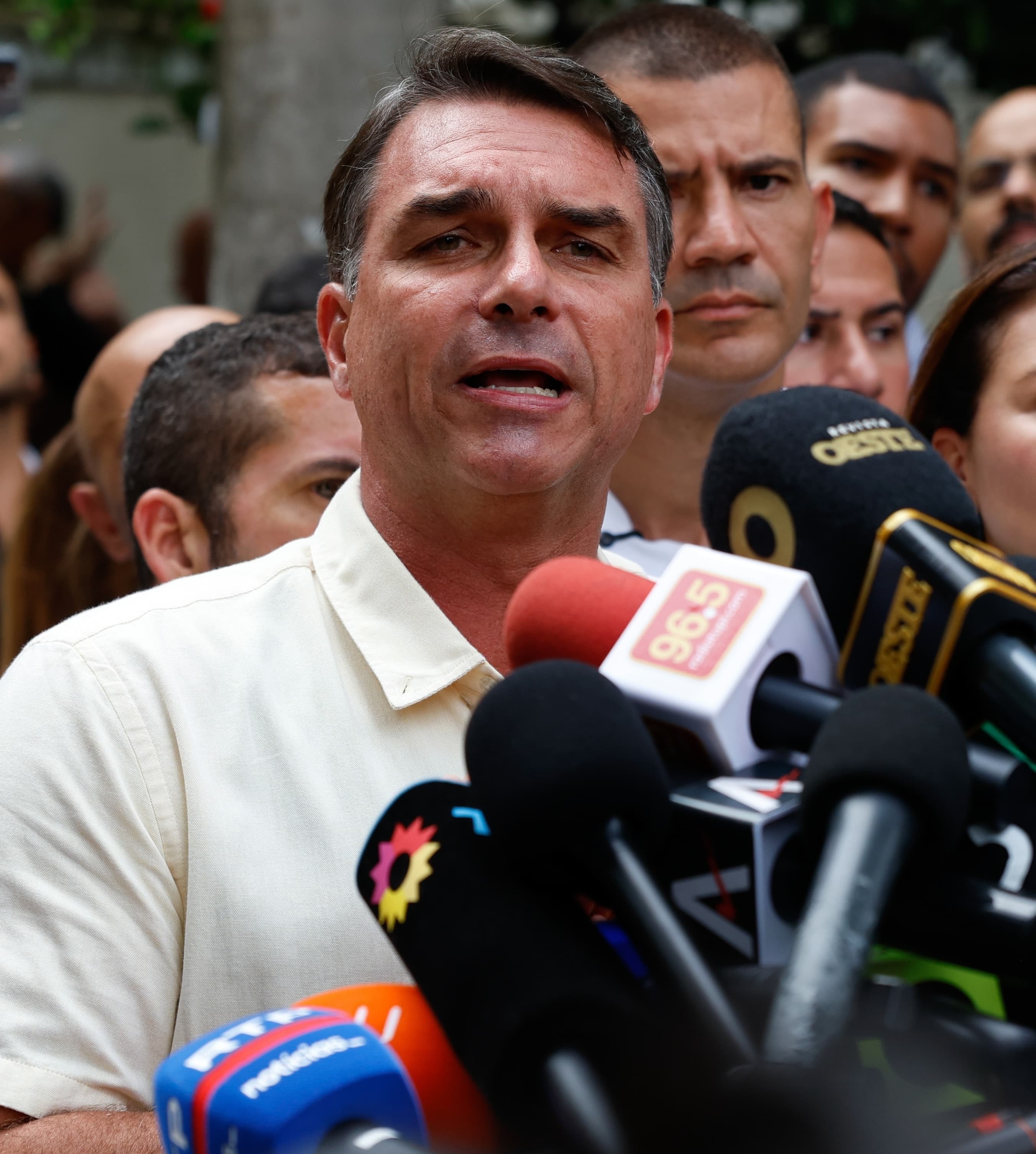
The Brazil election runoff takes place Sunday, October 25, with incumbent President Luiz Inácio Lula da Silva facing right-wing Senator Flávio Bolsonaro in a closely contested race. Bolsonaro led the October 4 first round with about 47% of the vote, while Lula received roughly 45%, sending Latin America’s largest country to a decisive second round.
The election also presents a stark contrast in Brazil’s relationship with Israel. Bolsonaro has campaigned on rebuilding close ties with Jerusalem and has received public support from Prime Minister Benjamin Netanyahu. Lula, meanwhile, has repeatedly criticized Israel’s conduct in Gaza, including remarks in 2024 comparing the war against Hamas to the Holocaust, which triggered a major diplomatic dispute with Israel.
Proverbs 29:2 says, “When the righteous are in authority, the people rejoice.” The verse speaks to the weight carried by national leadership. Brazil’s choice will shape not only domestic policy, but its relationships with Israel, the United States and major powers across the world.
Brazil Election Runoff Puts Israel Ties in Focus
Flávio Bolsonaro has made his position toward Israel unusually explicit. In an interview earlier this year, he pledged that if elected, he would move Brazil’s embassy to Jerusalem within his first six months in office. His campaign launch also highlighted an endorsement from Netanyahu, while the Israeli prime minister has said he hopes to restore what he called the “extraordinary friendship” between the two countries.
That would mark a major shift from the relationship under Lula. His government has frequently clashed with Jerusalem over the Gaza war, and his Holocaust comparison in February 2024 led Israel to declare him unwelcome until he withdrew the remarks. Lula has maintained his criticism of Israeli military policy, while Israel has strongly rejected accusations that its campaign against Hamas constitutes genocide.
The distinction is therefore larger than conventional left-right politics. Brazil is one of the world’s largest democracies, a major Latin American power and home to significant Jewish and evangelical Christian communities. Its position toward Israel carries diplomatic weight well beyond bilateral relations.
Trump, Washington and Brazil’s Global Direction
The election also matters in Washington. Bolsonaro is a political ally of President Donald Trump and has campaigned on closer relations with the United States. Lula has emphasized Brazilian strategic independence and stronger engagement with BRICS and the Global South, while criticizing what he views as excessive American interference in Brazilian affairs.
Trade, tariffs and critical minerals are also at stake. Reuters reported that Washington is seeking greater access to Brazil’s rare earths and other strategic resources as the United States works to reduce dependence on China. The next Brazilian administration will therefore face difficult choices over how closely Brasília aligns with Washington, Beijing and other major powers.
The contest remains extremely close. Multiple polls released Saturday showed Bolsonaro and Lula roughly even going into the runoff, leaving the final decision entirely with Brazilian voters. Bolsonaro entered the second round after finishing first on October 4, but current polling does not establish a certain outcome.
The Brazilian vote also comes as Israel approaches its own October 27 election. In “Azmi Bishara Election Call Draws Scrutiny Ahead of Vote,” attention turned to Arab voter participation and outside political commentary ahead of Israel’s national vote. Both elections illustrate how turnout, foreign policy and national identity can become deeply intertwined during periods of regional and international tension.
Elections, Alliances and National Responsibility
Israel’s covenantal mission before God requires the Jewish state to protect its sovereignty, preserve Jewish life and build relationships with nations willing to recognize its legitimacy and security needs. Brazil’s choice belongs exclusively to Brazilian citizens, but Jerusalem has an obvious diplomatic interest in whether the next administration seeks closer cooperation or continues the current period of strained relations.
America’s covenantal tradition centers on constitutional self-government, liberty and the peaceful authority of citizens to choose their leaders. Washington also has major strategic interests in Brazil, from trade and energy to organized crime, critical minerals and competition with China. Respecting Brazil’s electoral decision while maintaining strong bilateral ties serves that mission regardless of who wins.
Sunday’s runoff will therefore decide more than who occupies Brazil’s presidency. It will help determine the country’s diplomatic direction at a moment when relations with Israel, the United States and the broader Western alliance have become increasingly consequential.
For more stories on Israel, faith, and the values behind the headlines, follow Sinai on Facebook and Instagram.
Discussion0
No comments yet — be the first to share your thoughts.