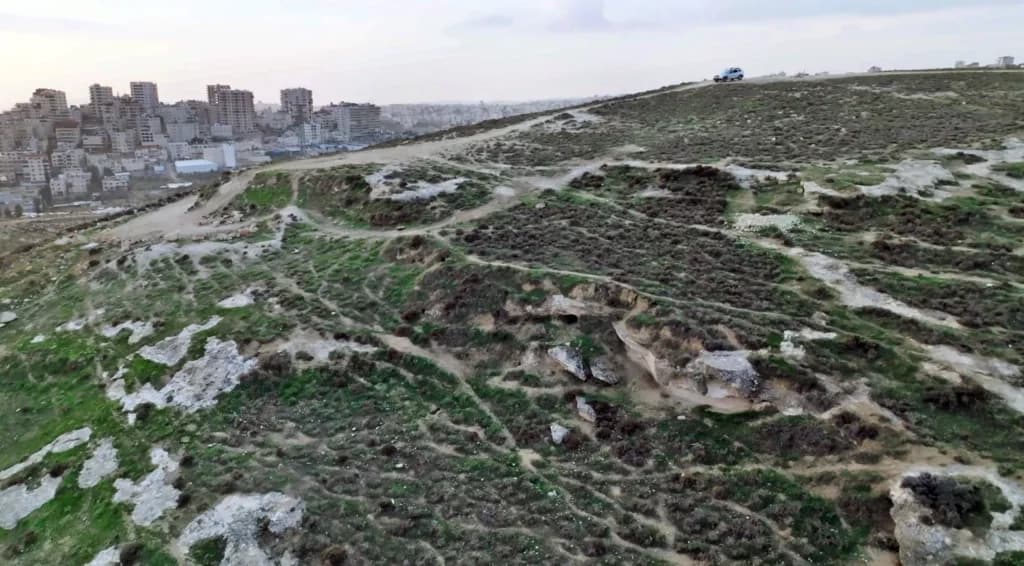


‘National Hasidic’ Jewish students in Judea dance and sing during Rosh Hodesh (New Jewish month) prayer. | Photo by Gershon Elinson/Flash90
A Hasidic Blessing
In the 18th century, in Eastern Europe a new Jewish sect evolved folloing the teachings of Rabbi Israel Ben Eliezer, otherwise known as the Baal Shem Tov (Master of a Good Name). they shunned the cold, impersonal and overly intellectual form of Judaism and opted for a more joyful, meditative, and mystical approach. Each city had a famous righteous leader called a ‘tzaddik’ and many stories (Hasidic stories) are told by or about them to convey the warmth and majesty of Judaism.
A famous Hasidic story punctuates the point about the value of a blessing. Once there was a meeting between the great Tzadik Rabbi Elimelech of Lezask and another distinguished rabbinic scholar but not on the level of the great rabbi. The man turned to Rabbi Elimelech and said: “Tell me, Rabbi Elimelch, we both are scholars, well versed in the Jewish law. Yet you have reached a level of saintliness and holiness far beyond me. Explain to me, please, what is the difference between us? What is it that you possess that I don’t?”
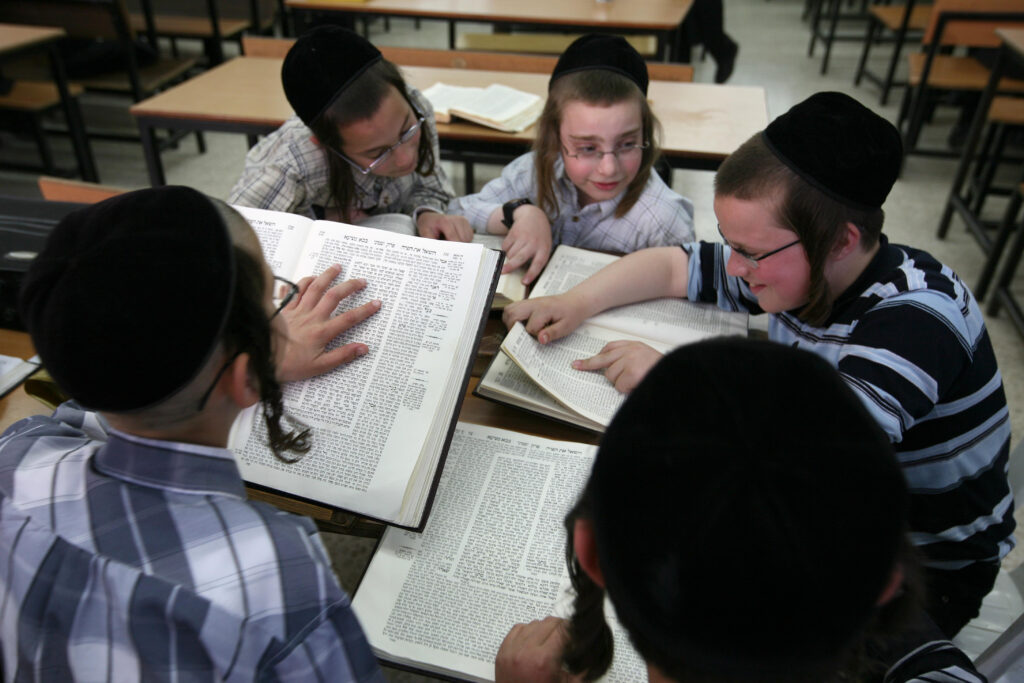
Rabbi Elimelch pointed to the bowl of fruit, set before them on the table.”When you want to eat an apple, do you make a blessing to God?” “Certainly, I do!” the visiting Rabbi answered.

| Photo by Yonatan Sindel/Flash90
“When I want to make a blessing to God, I eat an apple.”
“Ah, that’s the difference. You see, when you want to eat an apple you first make a blessing. When I want to make a blessing to God, I eat an apple. That is the difference.” The saintly rabbi was teaching his students the value of trying to see God and speak to Him in our regular daily lives. It is not enough to react to the idea of eating from God’s bounty by blessing, the Hasidim sought out food in order to bless God! The blessing is a method that we can use to become close to the Creator of the world. True, it thanks Him for His goodness, but it can also bring us to a higher level of consciousness in being aware of God.
Indeed, the Jewish sages stated that a person is obligated to recite 100 blessings a day. They cover eating, gaining benefit from nature, seeing miraculous sights, hearing good news, hearing bad news(!), upon being healed, during prayers, upon studying Bible and many, many more. Together, in the coming weeks, we will explore the notion of blessings and where they appear in our daily lives. We will also attempt to understand the complicated notion of blessing God even for events which seem bad. Next week, we will delve into the topic: What is a blessing?

Rabbi Avi Baumol grew up in New York and has a B.A. in Economics and an M.A. in Medieval Jewish History from Yeshiva University. He has been an educator, author, tour guide and lecturer for over three decades and currently lives in Judea with his wife and children.
Discussion0
No comments yet — be the first to share your thoughts.